Do Swordtails Recognize Their Feeding Spot?
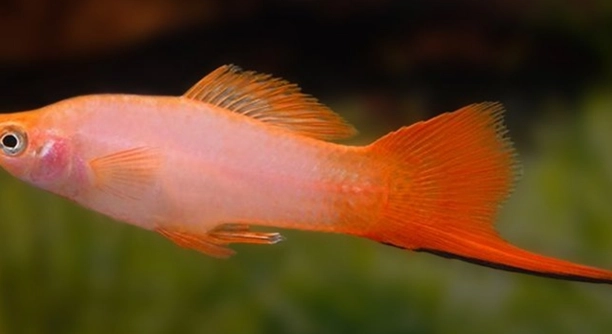
Swordtails, like many fish, have distinct behaviors and habits. Observing how they interact with their environment, particularly during feeding times, can give us insight into their ability to recognize specific locations for meals. Swordtails do recognize their feeding spot. Fish, including swordtails, exhibit associative learning, which allows them to link certain locations with food. This … Read more
7 Signs Your Swordtail Tank Is Too Noisy

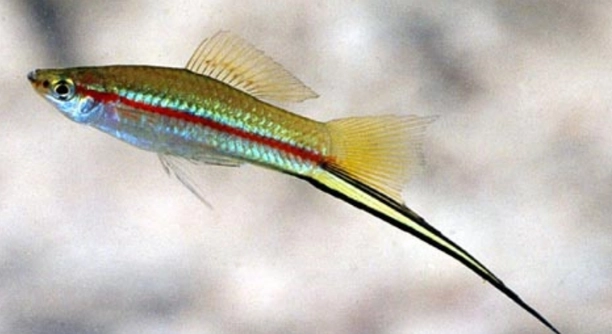
Fish tanks can be a peaceful environment, but sometimes they become noisy. Swordtail tanks, in particular, can make various sounds that may concern fish owners. It’s essential to understand why your tank might be too noisy. The main reason for excessive noise in a swordtail tank usually comes from water movement, equipment, or overactive fish. … Read more

Can Swordtails Recognize Tank Changes?

Swordtails are popular aquarium fish known for their vibrant colors and active behavior. Aquarium enthusiasts often wonder how changes in their environment affect their well-being. One of the most common questions is whether these fish can recognize such changes. Swordtails have been observed to show some ability to recognize changes in their tank environment, such … Read more

Why Is My Swordtail Rubbing Against Stuff?

Have you ever noticed your swordtail rubbing against decorations, plants, or even the tank walls, and felt unsure about what it means? This behavior can seem strange if you’re not used to seeing it. Swordtails often rub against objects in the tank due to skin irritation, which can be caused by external parasites, poor water … Read more

7 Swordtail Feeding Mistakes to Avoid

Feeding your swordtails can be a fun and rewarding experience. However, mistakes are common when providing the right nutrition. Understanding the best feeding practices will help ensure your fish remain healthy and active. Avoiding common feeding mistakes is key to maintaining your swordtails’ health. Overfeeding, underfeeding, or offering the wrong type of food can lead … Read more

7 Water Changes That Swordtails Appreciate

Swordtails are popular aquarium fish, known for their bright colors and lively personalities. If you care for these active swimmers, understanding their water needs is crucial to keeping them healthy and happy. Proper water changes play a key role. Swordtails thrive in clean, well-maintained water. Regular changes can prevent harmful toxins from building up and … Read more

Do Swordtails Form Friendships?

Swordtails are fascinating fish known for their unique behavior and interactions. If you’re a fish enthusiast, you may wonder whether these colorful creatures form lasting bonds or friendships with each other. Let’s explore this intriguing question. Swordtails do not form friendships in the traditional sense. While they may interact with each other and establish hierarchies, … Read more

7 Signs Swordtails Are Lacking Oxygen

Swordtails are lively fish that thrive in aquariums, but they require a stable environment to stay healthy. One important factor to monitor is the oxygen levels in the water. Low oxygen can harm your swordtails. When swordtails lack oxygen, they exhibit symptoms like rapid gill movement, surface gasping, lethargy, and loss of appetite. These signs … Read more

What Does a Stressed Swordtail Look Like?

Stress in swordtails can be caused by various factors, such as water quality, tank mates, or environmental conditions. Recognizing the signs of stress in these fish is important for ensuring their well-being and proper care. When a swordtail is stressed, it may display unusual behaviors such as hiding, rapid swimming, or clamped fins. The fish’s … Read more

7 Signs Your Swordtail Tank Is Overcrowded

Are your swordtails always bumping into each other, hiding more often, or acting stressed in their tank? These could be signs of overcrowding. Learning what to watch for can help your fish stay happy and healthy. Overcrowding in a swordtail tank often leads to aggressive behavior, poor water quality, and stress-related health problems. When too … Read more