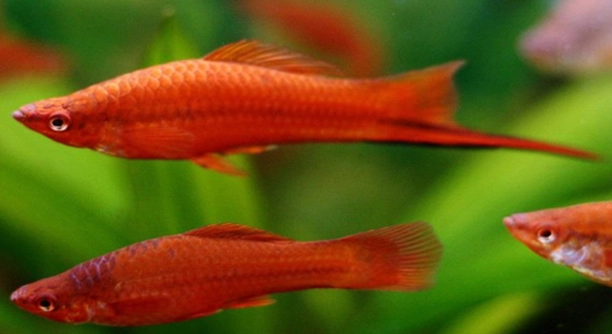
7 Breeding Prep Tips for Swordtail Keepers
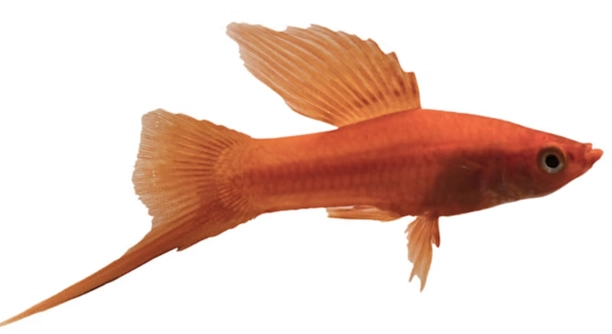
Preparing your swordtails for breeding can be an exciting yet challenging experience. Knowing how to set the right conditions will greatly increase your chances of success. These tips will help ensure a smooth breeding process for your fish. Proper water conditions, including temperature, pH levels, and cleanliness, are essential to create a comfortable environment for … Read more
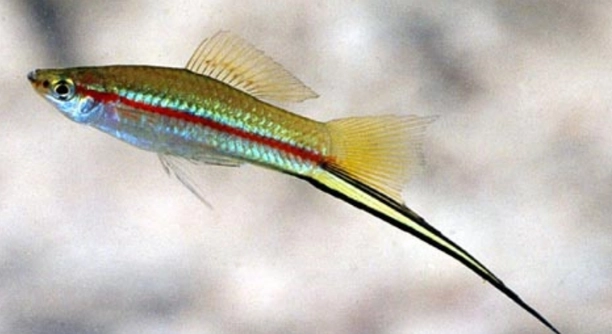
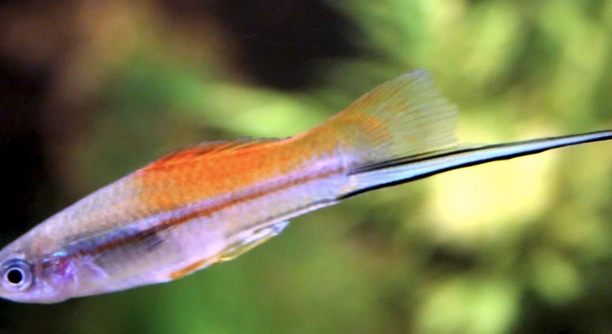
Why Is My Swordtail Always Below the Bubbler?

Swordtail fish are known for their active nature, but sometimes they may spend more time near the bubbler than expected. This behavior could stem from various factors that impact their health and well-being in the tank environment. The most common reason for a swordtail staying near the bubbler is a need for better water quality … Read more

7 Tricks for Managing Swordtail Population

Swordtails are a popular and colorful fish that many aquarium enthusiasts enjoy. However, managing their population can sometimes be challenging. If you’re noticing your swordtail numbers growing too fast, you’re not alone. Managing swordtail populations requires a balance of strategies such as controlling breeding and limiting space. A few effective tricks include removing males, adjusting … Read more

Why Is My Swordtail Not Moving Much?

Sometimes, you may notice that your swordtail fish isn’t swimming as much as usual. This can be concerning for any aquarium owner. Understanding the possible reasons behind this behavior is important for ensuring your fish stays healthy and happy. The main reasons your swordtail may not be moving much include stress, poor water conditions, illness, … Read more

How to Keep Swordtails Happy and Healthy

Do your swordtails seem less lively than usual, or are you just getting started with caring for this colorful freshwater fish? The best way to keep swordtails happy and healthy is by providing clean, well-filtered water, a balanced diet, enough swimming space, and stable tank conditions. Regular maintenance and proper tank mates also support their … Read more

Why Is My Swordtail Swimming in Circles?

Swordtail fish are active swimmers, but when they start swimming in circles, it could be a sign of something important. This behavior can be caused by various factors, including stress or environmental changes that need to be addressed. The most common reasons for swordtail fish swimming in circles include poor water quality, overcrowding, or the … Read more

7 Things to Know Before Buying Swordtails

Swordtails are a popular choice for aquariums, but there are key factors to consider before purchasing them. Understanding their needs and habits can ensure a successful experience with these lively fish. Proper care is essential for their health. Swordtails require specific tank conditions, a balanced diet, and compatible tank mates for optimal health. They are … Read more

Why Is My Swordtail Guarding a Corner?

If you have a swordtail in your aquarium, you may notice unusual behavior, such as guarding a corner. This could be a sign of stress or an instinctive reaction. Understanding this behavior can help improve your fish’s health and comfort. The most common reason for your swordtail guarding a corner is territorial behavior. Swordtails can … Read more

7 Common Signs of Swordtail Overcrowding

Swordtails are beautiful fish, but like many aquarium pets, they can suffer from overcrowding. It’s important to recognize the signs early to ensure their well-being and maintain a healthy tank environment. Overcrowding in swordtails typically leads to increased stress, aggression, and poor water quality. These factors can significantly impact their health, causing issues such as … Read more

Can Swordtails Get Sick from Poor Diet?

Swordtails are a popular freshwater fish known for their vibrant colors and active nature. Like all pets, they need proper care to thrive. One important factor in their well-being is their diet. A poor diet can indeed make swordtails more susceptible to illness. Insufficient nutrients, improper food types, and inconsistent feeding schedules can weaken their … Read more