Can Swordtails Handle Cooler Water?

Swordtails are popular fish in many home aquariums, known for their colorful appearance and active behavior. If you’re new to caring for them, you might be wondering how they handle changes in water temperature, especially cooler conditions. Swordtails generally prefer warmer water temperatures between 72°F and 82°F (22°C – 28°C). Exposure to cooler water, especially … Read more
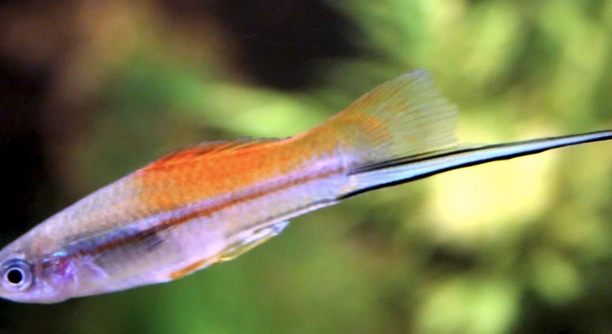
7 Temperature Mistakes with Swordtails

Swordtails are popular fish known for their vibrant colors and lively personalities. However, keeping them healthy can sometimes be tricky, especially when it comes to temperature. Temperature plays a major role in their well-being. Swordtails require a stable water temperature to thrive. Mistakes in temperature management can lead to stress, illness, and even death. Common … Read more

Do Swordtails Prefer Shallow or Deep Tanks?

Swordtails are popular aquarium fish known for their colorful appearance and active behavior. As a fishkeeper, you may wonder about the ideal tank setup to make them thrive. Tank depth is an important consideration for these lively swimmers. Swordtails generally prefer shallow tanks with more horizontal space rather than deep tanks. This allows them to … Read more

How to Tell if Swordtails Are Fighting

Swordtails are active fish that can display aggressive behavior, especially when they feel threatened or during breeding. Understanding their actions is key to distinguishing between fighting and normal interactions, so you can manage their tank environment accordingly. Swordtails may fight due to territorial disputes, dominance behavior, or stress. Signs of fighting include chasing, nipping, or … Read more

Why Do My Swordtails Look Bloated?

Are your swordtails starting to look rounder than usual, leaving you concerned about their health and well-being in the tank? Bloated fish can be a sign that something needs attention in their care routine. The most common reasons swordtails appear bloated include overfeeding, internal parasites, or dropsy. These conditions affect their digestive system or internal … Read more

Can Swordtails Live in Cold Water?

Have you ever brought home a swordtail fish and wondered if it could thrive in cooler water conditions without a heater? Swordtails are tropical fish and require warm water temperatures between 72°F and 82°F. Keeping them in cold water can lead to stress, weakened immune function, and an increased risk of illness, making it unsuitable … Read more

Can Swordtails Smell Their Food in Water?

Swordtails are popular aquarium fish known for their vibrant colors and active nature. Their senses play a big role in their feeding habits, especially in their watery environment. Understanding how they locate food can help ensure proper care. Swordtails can detect food in water using their sense of smell. Their olfactory system allows them to … Read more

Can Swordtails Jump Out of Their Tank?

Swordtails are popular freshwater fish known for their vibrant colors and lively personalities. As with any aquarium fish, ensuring their safety within the tank is essential for a healthy environment. One concern many fish keepers have is whether swordtails can jump out of their tanks. Swordtails are not particularly known for jumping out of their … Read more

Do Swordtails Act Out When Stressed?

Swordtails are popular aquarium fish known for their bright colors and active behavior. However, like all animals, they can experience stress. Stress can affect their behavior, leading to noticeable changes in how they interact with their surroundings. Swordtails do indeed act out when stressed, often displaying erratic swimming, hiding, or even aggression. Stress can be … Read more

Can Swordtails Live in Brackish Tanks?

Swordtails are popular aquarium fish known for their vibrant colors and lively behavior. Many aquarium enthusiasts are curious whether these fish can thrive in brackish tanks, which have a mix of fresh and saltwater conditions. Swordtails can live in brackish tanks, but they are primarily freshwater fish. While they can tolerate low levels of salinity, … Read more