Can Swordtails Be Raised Without Fry Nets?
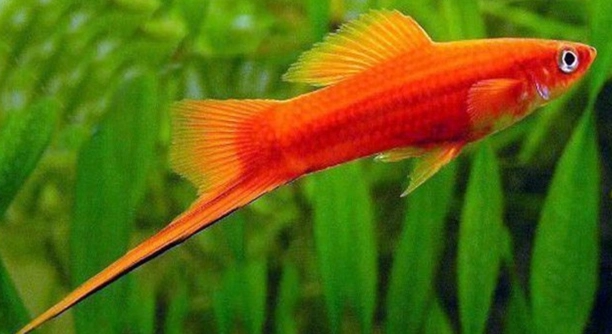
Do your swordtail fry keep getting caught in the current or eaten before they grow big enough to survive on their own? Swordtails can be raised without fry nets, but it requires dense plant cover and careful tank planning. Providing plenty of hiding spots, maintaining stable water conditions, and limiting adult fish population are essential … Read more
Can Swordtails Form Habits Over Time?

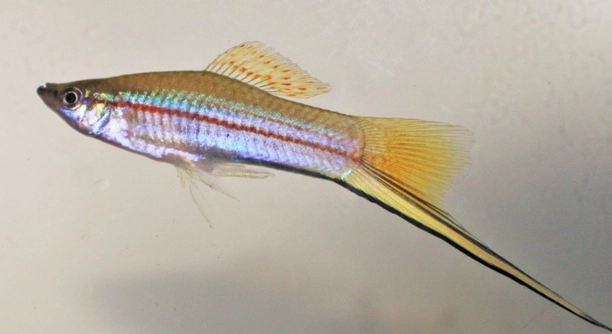
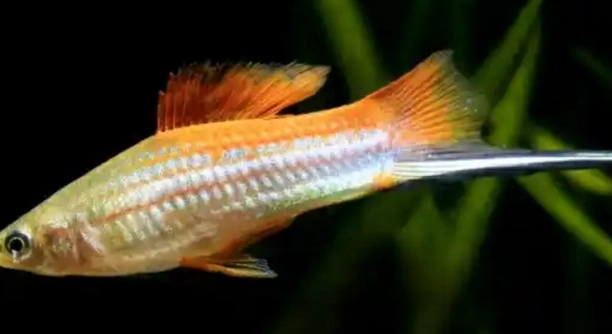
Have you ever watched your swordtails swim around and wondered if they remember certain routines or behaviors over time? It’s something many fish keepers start to notice after spending hours near the tank. Swordtails are capable of forming habits over time through repeated exposure to specific stimuli or environments. Research suggests that their behavior can … Read more

Do Swordtails Form Emotional Bonds?

Swordtails are popular aquarium fish known for their beauty and energetic behavior. Many fish owners wonder about their social dynamics, including whether they form emotional bonds with one another or their human caretakers. Research suggests that swordtails, like many fish species, display certain social behaviors, but these interactions are often driven by instincts rather than … Read more

Do Swordtails Get Bored Without Plants?

Swordtails are a popular fish choice for many aquariums, known for their lively nature and colorful appearance. However, it is essential to understand how their environment impacts their well-being. Plants play a significant role in their habitat. Swordtails can become stressed or bored without plants in their tank. They thrive in environments that provide hiding … Read more

Why Are My Swordtails Chasing the Fry?

Swordtails are popular fish in home aquariums, known for their colorful tails and playful behavior. However, sometimes their actions, like chasing fry, can be confusing to fish owners. Understanding these behaviors is important for maintaining a peaceful tank. Swordtail fish chase their fry primarily due to natural instincts, such as hunting or territorial behavior. In … Read more

7 Signs Your Swordtail Is Lacking Nutrition

Swordtail fish are popular for their vibrant colors and active nature. However, they require proper nutrition to stay healthy and thrive in your aquarium. A lack of nutrients can lead to noticeable issues, affecting their well-being. Swordtails that are lacking nutrition often show signs such as faded colors, poor growth, and changes in behavior. These … Read more

Why Do Swordtails Sometimes Swim Sideways?

Swordtails are popular aquarium fish known for their vibrant colors and active swimming. However, sometimes they exhibit an unusual behavior: swimming sideways. This can raise concerns among aquarium owners wondering what’s causing this odd movement. Swordtails sometimes swim sideways due to stress, physical discomfort, or environmental factors. Stressors such as water quality issues, overcrowding, or … Read more

7 Foods Swordtails Can’t Resist at Feeding Time

Do your swordtails always seem extra excited when it’s time to eat, but you’re not sure what’s really getting their attention? Swordtails are naturally drawn to a variety of foods, but certain options consistently spark their interest more than others. High-protein snacks, live or frozen foods, and colorful, moving options tend to excite their feeding … Read more

7 Smart Ways to Feed Swordtails on Vacation

When you’re heading out on vacation, one of the main things on your mind may be how to care for your swordtails. Ensuring their well-being while you’re away requires a little planning, but with the right approach, you can leave with peace of mind. The best way to feed swordtails while on vacation is by … Read more

Why Are Swordtails Swimming Head Down?

Swordtails are a popular choice for many aquarium owners. Their bright colors and lively personalities make them a fun addition to any tank. However, if you’ve noticed your swordtails swimming with their heads down, you might be concerned. Swordtails swimming head down could indicate a variety of issues such as stress, poor water quality, or … Read more