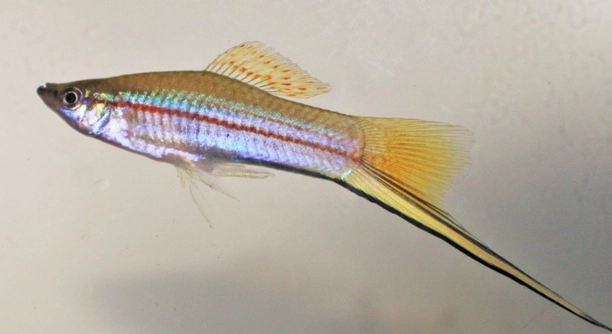
How Can You Calm a Stressed Swordtail?

Swordtail fish are active and social creatures, but stress can affect their behavior and health. Understanding how to calm a stressed swordtail is essential for maintaining their well-being in your aquarium. Stress in swordtails can be reduced by adjusting their environment. Factors such as water quality, tank mates, and tank conditions play key roles. Ensuring … Read more
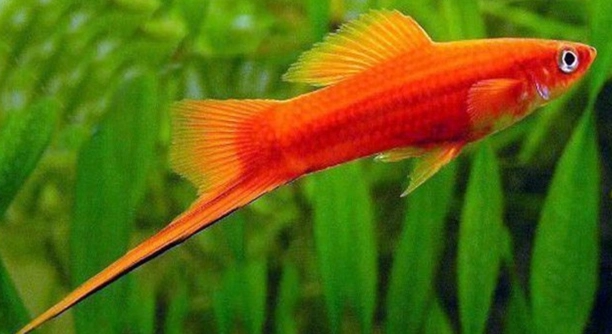
Do Swordtails Prefer Live or Dry Food?

Have you ever stood at your aquarium, food in hand, wondering which type your swordtails will enjoy the most? Many fishkeepers face this simple but important choice every day when feeding their pets. Swordtails generally prefer live food over dry food due to its natural movement and higher nutritional value. However, they can adapt to … Read more

Why Did My Swordtail Suddenly Die?

Swordtails are popular aquarium fish, loved for their colorful appearance and lively personalities. Unfortunately, these beautiful creatures sometimes die unexpectedly, leaving their owners puzzled and worried. Understanding the potential causes behind this can help prevent future losses. Several factors could contribute to the sudden death of a swordtail, including poor water quality, inappropriate tank conditions, … Read more

7 Swordtail Tank Mistakes That Kill Fish

Swordtail fish are popular pets in many aquariums due to their vibrant colors and lively nature. However, they require proper care to thrive. Mistakes in tank setup or maintenance can lead to health problems or even death for your fish. Swordtail fish are sensitive to their environment. Tank mistakes, such as improper water quality, overcrowding, … Read more

Why Are Swordtails Obsessed With One Spot?

Swordtails often spend time in one spot within their tank. This behavior can be intriguing, as these fish are typically active swimmers, yet they sometimes seem fixated on a specific area. Understanding this habit can improve their care. The primary reason swordtails become obsessed with one spot is related to their natural instincts. They may … Read more

Why Is My Swordtail Always Facing Downward?

Swordtails are popular aquarium fish, loved for their beauty and energetic nature. However, if you’ve noticed your swordtail consistently facing downward, it can raise some concerns. Understanding this behavior can help ensure your fish’s well-being. A swordtail facing downward is often a sign of stress, poor water quality, or health issues. It may indicate improper … Read more

Why Is My Swordtail Becoming Aggressive?

Is your normally calm swordtail suddenly darting around, nipping at tankmates, or staking out territory more than usual? Changes in fish behavior can be surprising, especially when a peaceful species begins acting out unexpectedly. Swordtails can become aggressive due to stress, overcrowding, poor tank conditions, mating competition, or dominance behavior. These factors can lead to … Read more

7 Quick Fixes for Dirty Swordtail Tanks

Keeping a swordtail tank clean can be challenging, especially with the busy schedules that many of us maintain. Fish tanks often get dirty quickly, but there are simple ways to restore balance to the environment. A few adjustments can make a difference. To maintain a clean swordtail tank, regular water changes, proper filtration, and controlling … Read more

7 Tank Maintenance Habits for Swordtails

Swordtails are popular aquarium fish known for their beauty and energetic nature. But maintaining their tank properly is key to their health and well-being. Regular care can make a big difference in keeping them happy and thriving. Maintaining a swordtail tank involves regular cleaning, proper filtration, and consistent water changes. Additionally, ensuring the water temperature, … Read more

7 Common Swordtail Tank Setup Errors

Setting up a tank for swordtails is an exciting task, but it’s easy to make a few common mistakes. These errors can affect the health of your fish and the overall tank environment. Knowing what to avoid can make all the difference. Common swordtail tank setup mistakes typically involve improper water conditions, inadequate filtration, and … Read more