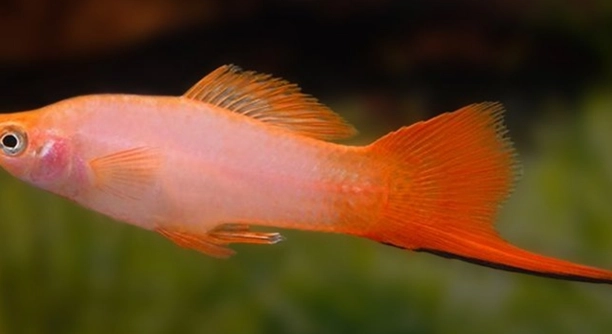
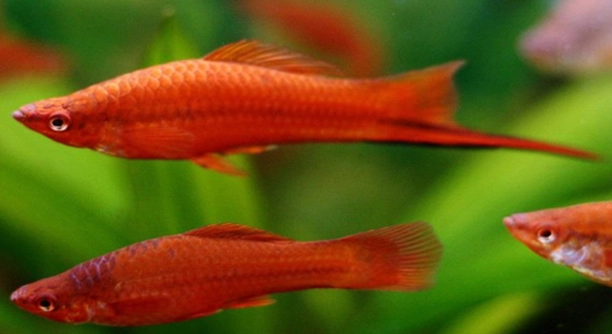
Why Is My Swordtail Not Eating Like Before?
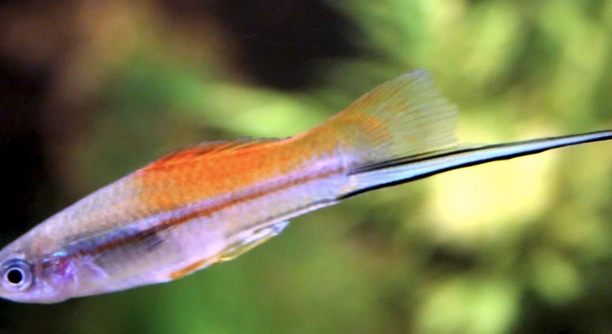
Is your swordtail swimming around but showing little interest in food lately, leaving you unsure about what might be going wrong? The most common reason a swordtail stops eating is stress from poor water conditions, temperature fluctuations, or illness. Identifying the root cause and correcting it promptly is important for your fish’s recovery. Changes in … Read more
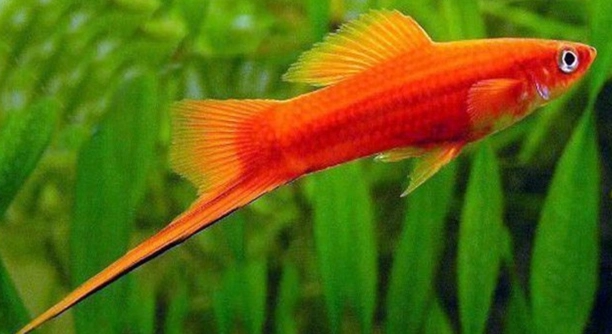
7 Best Lighting Tips for Swordtail Tanks

Lighting is essential for creating a comfortable and healthy environment in your swordtail tank. The right lighting not only enhances the beauty of your aquarium but also supports the well-being of your fish and plants. To achieve optimal lighting for swordtail tanks, it is crucial to balance the intensity, duration, and type of light. Swordtails … Read more

Can Swordtails Change Gender? (+The Truth)

Have you ever found yourself watching your swordtails swim around and wondered if they can actually change their gender? It’s a thought that crosses the minds of many fishkeepers, especially those new to caring for livebearers. Swordtails cannot change their gender. While juvenile swordtails may show unclear signs early on, their sex is genetically determined … Read more

7 Things That Stress Swordtail Fish

Swordtail fish are popular among aquarium enthusiasts, but they can be sensitive to certain stressors in their environment. Understanding what affects them is key to maintaining their health and happiness. Several factors can stress swordtail fish, including poor water quality, sudden temperature changes, overcrowding, inappropriate tank mates, loud noises, improper feeding, and inadequate hiding spots. … Read more

Why Does My Swordtail Keep Floating Up?

Sometimes, when caring for fish like swordtails, it can be concerning to see unusual behavior. One common issue is when your swordtail keeps floating to the top of the tank. It might leave you wondering why this happens. The most common cause of a swordtail floating upward is swim bladder disorder, where the fish’s buoyancy … Read more

7 Swordtail Tank Maintenance Mistakes

Keeping your swordtail tank in top shape can be a rewarding experience, but it comes with challenges. Small mistakes can lead to bigger issues down the road. Understanding the key points of maintenance is essential for a healthy aquarium. Many common swordtail tank maintenance mistakes stem from improper water changes, overfeeding, or neglecting regular equipment … Read more

Can Swordtails Be Kept Without a Filter?

Swordtails are popular fish in home aquariums due to their vibrant colors and lively nature. Many hobbyists wonder if they can be kept without a filter. This is a question worth exploring for those seeking low-maintenance setups. While swordtails can survive without a filter, it is not recommended. Without proper filtration, water quality quickly deteriorates, … Read more

Do Swordtails React to Human Movement?

Have you ever noticed your swordtail fish shifting or swimming faster when you walk by the tank or move nearby? Swordtails can respond to human movement through visual detection and environmental awareness. Their behavior may include increased swimming activity or sudden directional changes, especially when they associate movement with feeding or disturbance. Observing these patterns … Read more

Can Swordtails Recognize Their Owners?

Caring for fish can be a rewarding experience, especially when it comes to species like swordtails. As you spend time with them, you may wonder if they can recognize you or form a bond. Swordtails have shown the ability to recognize familiar individuals through their senses, such as sight and smell. This recognition allows them … Read more

Should Swordtails Be in Schools or Pairs?

Swordtails are a popular choice among aquarium enthusiasts, admired for their bright colors and lively personalities. Many people wonder whether it’s best to keep them in pairs or groups at home or in schools. Swordtails should be kept in schools of six or more fish for optimal social interaction and stress reduction. In pairs, swordtails … Read more