Can Swordtails Adapt to Brackish Water?
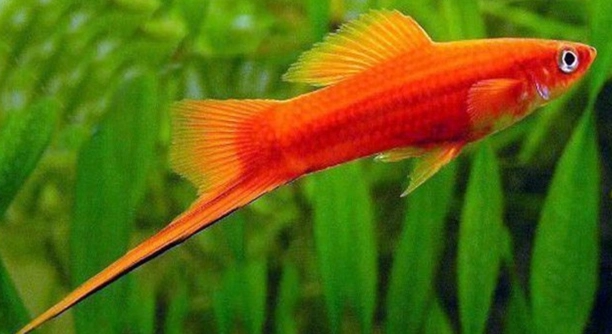
Swordtails are popular freshwater fish, loved by many for their vibrant colors and lively personalities. If you’re a fan of these beautiful creatures, you might have wondered how they handle different water conditions. Swordtails can tolerate a range of water types, including brackish water, but they generally thrive in freshwater environments. Adapting to brackish water … Read more

Do Swordtails Like Dim or Bright Lights?

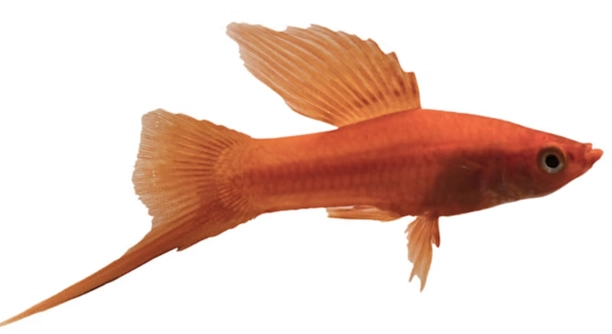
Swordtails are known for their active behavior, but many wonder about their light preferences. Understanding their need for light helps create a healthier environment. It’s important to learn how lighting can affect these small, energetic fish. Swordtails generally prefer moderate lighting. Bright light can stress them, while dim lighting may hinder their activity levels. It … Read more

7 Tips to Keep Swordtail Water Crystal Clear

Maintaining clear water for your swordtail fish is essential for their health and well-being. It’s important to know how to keep their environment clean and thriving. This article offers tips to help you achieve crystal-clear water. The key to keeping swordtail water crystal clear lies in proper filtration, regular maintenance, and preventing overfeeding. Adequate filtration … Read more

Why Is My Swordtail Swimming Sideways?

Is your swordtail swimming in an unusual way, leaving you unsure of what might be causing the change in behavior? This can be concerning, especially when the rest of the tank seems fine and stable. The most common reason your swordtail is swimming sideways is a swim bladder disorder. This condition affects the fish’s ability … Read more

7 Common Swordtail Filter Problems Solved

Swordtails are beautiful fish, but maintaining a clean and healthy tank can sometimes come with challenges. Having the right filter and knowing how to handle common issues will help keep your tank in top condition. The most common swordtail filter problems stem from clogging, insufficient filtration, poor water flow, and maintenance issues. Regular cleaning and … Read more

7 Things You Shouldn’t Add to Swordtail Tanks

Swordtail fish are a popular choice for aquarium enthusiasts due to their vibrant colors and active nature. However, maintaining a healthy tank requires understanding what can and cannot be added. Certain items can harm these lively fish or disrupt their environment. When setting up a swordtail tank, it’s important to avoid adding certain items that … Read more

Why Is My Swordtail Flicking Its Body?

Is your swordtail suddenly flicking its body more than usual, making you wonder if something might be wrong with its environment? This behavior can be concerning, especially when it seems to come out of nowhere. Swordtails often flick their bodies in response to skin irritation, poor water quality, or the presence of parasites. This behavior … Read more

Can Swordtails Sense Water Chemistry?

Swordtails are popular fish in aquariums, but do you ever wonder how they interact with their environment? Specifically, their ability to sense water chemistry is an intriguing question. This article explores how swordtails may respond to their aquatic surroundings. Swordtails, like many fish, have specialized sensory systems that allow them to detect changes in water … Read more

7 Best Ways to Monitor Swordtail Behavior

Monitoring the behavior of swordtails can be both exciting and rewarding for aquarium enthusiasts. These active fish have unique habits that can reveal a lot about their health and well-being. By observing them closely, you can ensure they thrive in your tank. The best way to monitor swordtail behavior involves observing their swimming patterns, interaction … Read more

7 Reasons Swordtails Refuse to Mate

Swordtails are popular aquarium fish, known for their lively personalities and colorful tails. However, many owners face a frustrating issue: their swordtails refuse to mate. This behavior can be puzzling and concerning. There are several reasons swordtails may refuse to mate, including poor water conditions, stress, lack of suitable mates, or environmental factors. Inadequate nutrition … Read more