Do Zebra Danios Mimic Each Other’s Behavior?
Have you ever spent time watching your zebra danios and noticed how they seem to copy one another’s actions? Zebra danios are known to exhibit shoaling behavior, which includes mimicking the movements and actions of others in their group. This behavioral synchronization helps reduce stress, increase survival, and promote group coordination in various situations. Learning … Read more
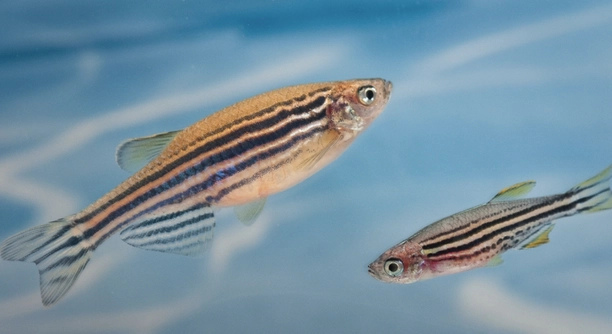
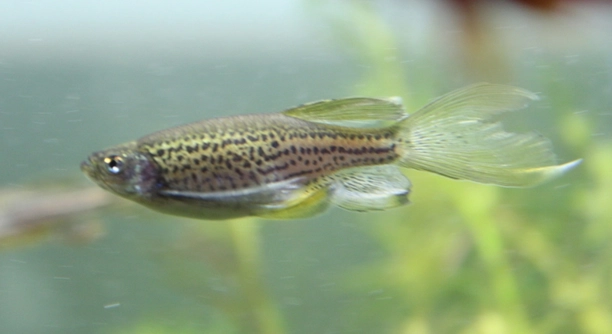
Why Zebra Danios Might Be Attracted to Bright Light

Zebra Danios are lively little fish known for their colorful stripes and active swimming patterns. These tiny creatures often show fascinating behaviors in their tanks, especially around light. It makes you wonder if they’re attracted to bright light. Zebra Danios are naturally drawn to light due to their instinctual behavior to seek out brighter environments. … Read more

7 Micro-Habits of a Confident Zebra Danio

Zebra Danios are fascinating creatures, known for their active nature and striking appearance. They exhibit unique habits that contribute to their confidence, making them an excellent subject of interest for aquarium enthusiasts looking to enhance their well-being. The 7 micro-habits of a confident Zebra Danio include consistent swimming patterns, social interactions, healthy eating, and regular … Read more

Can Zebra Danios Feel Isolated in a Group?

Zebra Danios are popular fish in home aquariums. They are active swimmers and often kept in groups. Their social behavior is intriguing, but some wonder if they feel isolated in a group setting. Zebra Danios do not exhibit signs of loneliness in a group. In fact, they are schooling fish, meaning they thrive and feel … Read more

7 Things to Consider Before Mixing Zebra Danio Species

Zebra Danios are a popular choice among aquarium enthusiasts. When considering mixing different species, it’s important to think about their behavior, care needs, and the environment. This ensures a balanced, harmonious tank setup. When mixing Zebra Danio species, factors such as compatibility, water parameters, tank size, and breeding behavior must be considered. Different Danio species … Read more

Why Your Zebra Danio Swims with Mouth Open

Have you ever noticed your zebra danio swimming with its mouth constantly open and wondered if something might be wrong? Zebra danios often swim with their mouths open due to low oxygen levels, gill disease, or stress. This behavior may also occur in response to poor water quality or overcrowding, which can affect their ability … Read more

Why Zebra Danios Sometimes Look See-Through

Zebra Danios are popular fish in home aquariums, but have you ever noticed their sometimes see-through appearance? This intriguing characteristic can leave many wondering about its cause. Let’s explore why this happens. Zebra Danios sometimes appear see-through due to their thin body structure and translucent skin. This transparency is often more visible when the fish … Read more

7 Things That Shorten a Zebra Danio’s Lifespan

Zebra Danios are one of the most popular fish in home aquariums, known for their lively nature and easy care. However, there are factors that can shorten their lifespan. Understanding these factors is important for their long-term health. Several factors can reduce a Zebra Danio’s lifespan, such as poor water quality, inappropriate tank mates, inadequate … Read more

How to Tell If Your Zebra Danio Likes You (7 Signs)

Have you ever found yourself staring at your zebra danio and wondering if it actually notices you? These little fish can be full of energy, but it’s not always easy to know what they’re feeling. Zebra danios show affection in subtle ways such as following your finger, swimming near you, or staying active when you’re … Read more

7 Things That Might Confuse Zebra Danio Fry

Are your zebra danio fry behaving oddly, darting around or hovering in confusion despite your efforts to care for them? Zebra danio fry may become confused due to sudden changes in lighting, inconsistent water parameters, strong currents, overcrowding, or the absence of proper hiding spots. Each of these conditions can affect their orientation, feeding behavior, … Read more