Why Your Zebra Danio Might Avoid the Water Surface
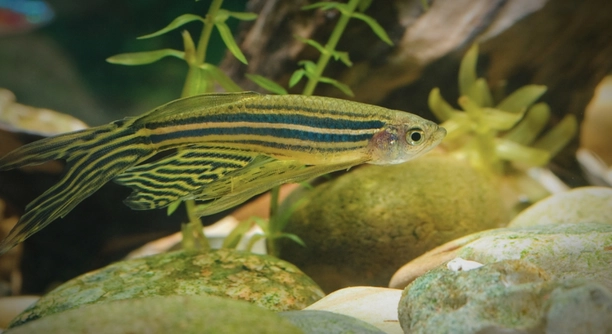
Is your zebra danio spending more time near the bottom of the tank instead of swimming around at the surface like usual? Zebra danios may avoid the water surface due to poor water quality, low oxygen levels, high temperatures, or illness. These factors can create discomfort or stress, prompting the fish to seek safer or … Read more
7 Tips for Observing Zebra Danio Behavior Closely

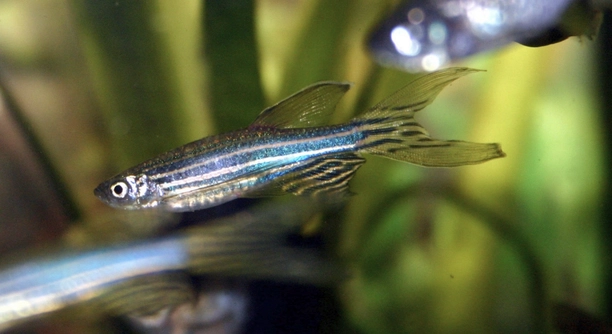
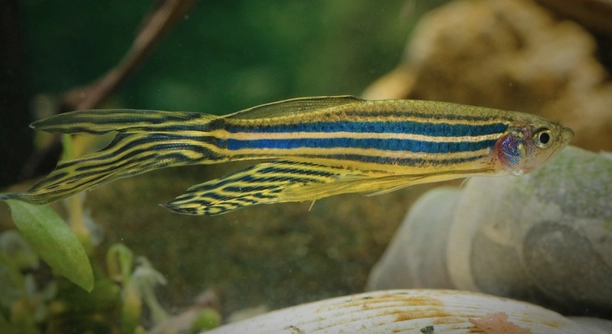
Zebra Danios are small, active fish that can captivate your attention with their lively behaviors. Understanding how they move, interact, and respond to their environment can deepen your connection with these fascinating creatures. To observe Zebra Danio behavior closely, focus on their swimming patterns, feeding habits, and social interactions. Their active nature and responsiveness to … Read more

Why Zebra Danios Might Flare Fins for No Reason

Zebra Danios are lively little fish often found in home aquariums. Their quick movements and vibrant colors make them a popular choice among fish enthusiasts. However, one behavior that may catch your attention is their tendency to flare their fins for no obvious reason. Zebra Danios flare their fins as a natural response to different … Read more

7 Zebra Danio Body Language Clues to Watch

Do you ever find yourself staring at your zebra danios, wondering what their quick movements and sudden stops might really mean? Zebra danios use body language to express stress, dominance, excitement, and health issues. Observing their swimming style, fin position, and social behavior can offer valuable insight into their well-being and social dynamics. Each clue … Read more

Why Zebra Danios Might Avoid the Bottom

Zebra Danios are popular fish due to their active and playful nature. However, some owners may notice that these fish tend to avoid staying near the bottom of the tank, instead swimming in the middle or top levels. Zebra Danios are known to avoid the bottom of the tank due to their natural instincts and … Read more

Do Zebra Danios Like Cold or Warm Water?

Zebra Danios are small, active fish often found in home aquariums. They are known for their adaptability and vibrant colors. Understanding their preferred water temperature can help maintain their health and improve their overall well-being. Zebra Danios thrive in water temperatures ranging from 65°F to 75°F (18°C to 24°C). They are considered hardy fish, able … Read more

Why Zebra Danios Might Avoid Direct Light

Do you ever notice your Zebra Danios swimming quickly into the shadows whenever the lights come on in your tank? Zebra Danios might avoid direct light due to their natural instincts and environmental preferences. In the wild, they live in shaded, slow-moving streams, and bright lighting can make them feel exposed to predators or stressed. … Read more

7 Water Habits Zebra Danios Do Naturally

Zebra Danios are small, active fish commonly kept in home aquariums. Their behaviors in the water can offer insight into their natural habits. Understanding these habits helps ensure they thrive in a well-maintained aquatic environment. Zebra Danios naturally display specific water habits, including swimming in groups, exploring different water levels, and enjoying well-oxygenated environments. These … Read more

Why Your Zebra Danios Might “Rest” Mid-Swim

Zebra Danios are known for their energetic swimming habits, but sometimes you may notice them “resting” mid-swim. This behavior can be puzzling for aquarium owners, especially when these fish are typically very active. Zebra Danios may “rest” mid-swim due to stress, illness, or water quality issues. Additionally, they might pause to catch their breath after … Read more

7 Subtle Ways to Spot Zebra Danio Leadership Roles

Have you ever watched your zebra danios dart around the tank and wondered if some were quietly leading the group? Zebra danios often show subtle leadership through behavior patterns such as initiating movement, guiding feeding activity, and influencing shoal direction. These roles are not always obvious but can be identified through careful observation. Recognizing these … Read more