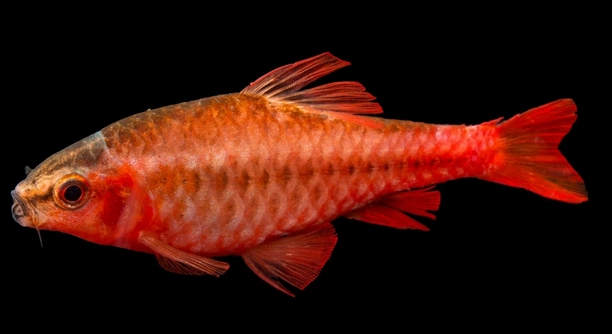
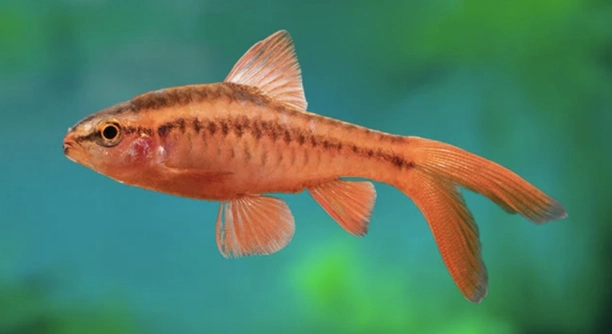
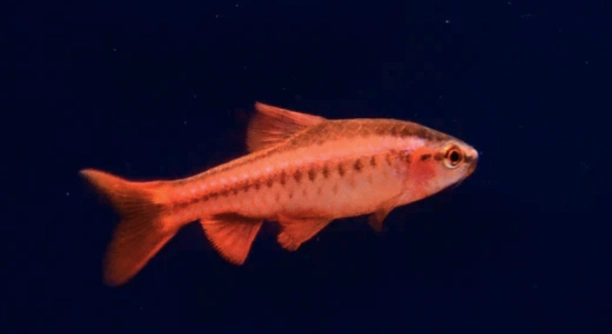
Do Cherry Barbs Watch You Outside the Tank?
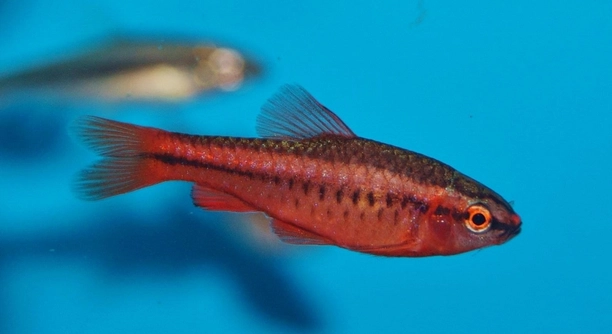
Cherry Barbs are known for their vibrant colors and curious nature. If you’ve ever caught them watching you outside the tank, you may wonder what this behavior means. It’s a fascinating aspect of their behavior. Cherry Barbs, like many fish, are highly responsive to their surroundings. They may appear to “watch” you as they associate … Read more

7 Fast Fixes for Uneaten Food in Barb Tanks

Do you find yourself with leftover food in your barb tanks after feeding time? It’s a common issue for aquarium owners, and managing uneaten food properly is essential for maintaining a clean and healthy tank environment. The presence of uneaten food can lead to water quality problems, attracting harmful bacteria and causing excessive waste. To … Read more

7 Tips for Choosing the Right Cherry Barb Group Size

Are your cherry barbs constantly chasing each other or hiding more than usual? Group size might be the key to improving their behavior. The ideal group size for cherry barbs ranges from six to ten individuals. Keeping them in a proper-sized group helps reduce stress, supports natural behavior, and promotes social interaction. Smaller or unbalanced … Read more

Can Cherry Barbs Recognize Their Tankmates?

Cherry Barbs are popular aquarium fish known for their peaceful nature and vibrant color. Keeping them with compatible tankmates is essential for their well-being. Understanding how they interact with their companions can improve their living conditions. Cherry Barbs have the ability to recognize their tankmates, especially in the context of social interactions and territorial behavior. … Read more

What Is the Lifespan of a Cherry Barb? (Full Guide)

Cherry Barbs are a popular choice for fish enthusiasts due to their vibrant color and peaceful nature. These small freshwater fish make great additions to community aquariums, and many aquarium owners wonder how long they can expect their Cherry Barbs to live. The lifespan of a Cherry Barb typically ranges from 3 to 5 years … Read more

7 Reasons Why Cherry Barbs Flash or Rub Against Things

Do your cherry barbs often flash their colors or rub against plants and tank decorations, leaving you puzzled about their behavior? Cherry barbs flash or rub against objects primarily due to stress, parasites, mating behavior, or irritation from water conditions. These actions are ways for the fish to react to discomfort or communicate specific needs … Read more

Why Is My Cherry Barb Always Following the Bubbles?

Cherry Barbs are popular fish known for their peaceful nature, but if you’ve noticed your fish constantly following the bubbles, you may be wondering about the cause. This behavior can sometimes be puzzling. The most likely reason for your Cherry Barb following bubbles is its natural curiosity and interest in surface activity. Fish often investigate … Read more

7 Signs a Cherry Barb Is Ready to Mate

Cherry barbs are small, vibrant fish often kept in aquariums. Understanding when they are ready to mate is crucial for breeding. Observing specific signs will help ensure that your fish are prepared for this natural process. The signs that a cherry barb is ready to mate include changes in behavior, body coloration, and physical condition. … Read more

Can Cherry Barbs Be Housed With Angelfish?

Cherry barbs and angelfish are both popular choices for freshwater aquariums. If you’re considering keeping these species together, it’s important to understand their compatibility. While they have some overlapping traits, there are specific factors to keep in mind. Cherry barbs and angelfish can generally be housed together, as both are peaceful species. However, care should … Read more

7 Filter Mistakes That Stress Out Cherry Barbs

Cherry barbs are delicate creatures that thrive in well-maintained aquariums. But certain tank habits can cause them unnecessary stress. One of the main factors affecting their well-being is the aquarium filter, which plays a key role in water quality. The filter is essential for keeping the water clean, but improper use can lead to stress … Read more