Are Cherry Barbs More Active in Soft Water?
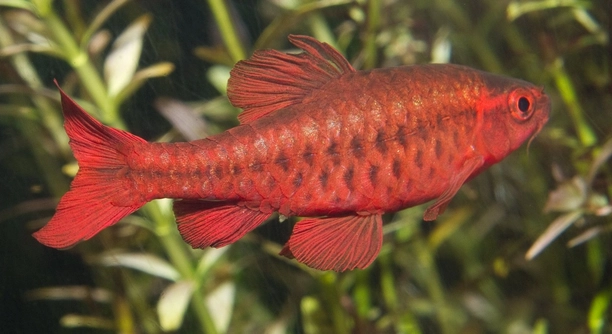
Cherry barbs are popular aquarium fish known for their active and colorful nature. Many fish enthusiasts wonder about their activity levels in different water conditions, especially when it comes to soft water. Understanding their behavior can improve their care and health. Cherry barbs are generally more active in soft water due to the lower mineral … Read more
What If Cherry Barbs Seem Too Aggressive to Keep?

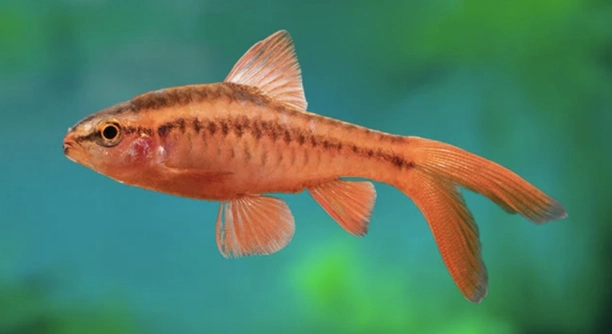
Do your cherry barbs chase other fish around the tank, leaving you unsure if they’re the right fit for your aquarium? Cherry barbs can become aggressive due to stress, lack of space, or an imbalanced male-to-female ratio. This behavior is often manageable by adjusting the environment, providing more hiding spaces, or increasing the group size … Read more

7 Reasons Cherry Barbs Stay Still for Hours

Do your cherry barbs stay still for hours, making you wonder if something might be wrong in their tank environment? Cherry barbs often remain still for extended periods due to stress, poor water quality, low oxygen levels, illness, or sleep-like resting behavior. Environmental changes, incompatible tank mates, or lighting conditions can also contribute to their … Read more

Can Cherry Barbs Recognize Their Reflection?

Cherry Barbs are small, vibrant fish often seen in home aquariums. These fish display unique behaviors that have piqued the curiosity of many aquarium enthusiasts. Understanding how they interact with their surroundings helps reveal the complexity of their instincts. Recent studies suggest that Cherry Barbs can indeed recognize their reflection in a mirror. This ability … Read more

7 Reasons Cherry Barbs May Refuse to School

Cherry barbs are a popular fish for many aquariums, but you may notice they sometimes refuse to school. If you’re experiencing this, it can be frustrating and confusing. Understanding why they act this way can help improve their behavior. Cherry barbs may refuse to school due to factors like stress, improper tank conditions, or even … Read more

What Happens to Cherry Barbs During Spawning Season?

Cherry Barbs are a popular choice for freshwater aquariums due to their vibrant colors and peaceful nature. However, during spawning season, their behavior changes. Understanding this process is important for any aquarium enthusiast looking to care for these fish properly. During spawning, Cherry Barbs undergo several changes in behavior and physical appearance. Males become more … Read more

Can Cherry Barbs Change Color Over Time?

Cherry Barbs are known for their vibrant colors, but changes in their appearance can occur over time. This transformation can be influenced by various factors, including their environment, diet, and overall health. The coloration of Cherry Barbs can change over time due to several factors such as age, stress, breeding, and environmental conditions. These fish … Read more

Will Your Cherry Barb Breed? (What to Look For)

Cherry Barbs are colorful and lively fish, known for their vibrant appearance. If you’re a fish owner, you might wonder about breeding these little beauties. Understanding the signs and requirements can make the process smoother for you and your fish. Cherry Barbs breed when conditions are optimal, including proper water temperature, diet, and tank setup. … Read more

Why Do Cherry Barbs Swim Faster at Night?

Cherry barbs are fascinating fish, known for their quick movements, especially during the night. Observing their behavior can be intriguing, particularly when they seem to swim faster as the day transitions into night. Understanding this phenomenon is essential. The increased speed of cherry barbs at night is primarily due to their natural circadian rhythms. These … Read more

7 Things That Could Disrupt Cherry Barb Sleep

Are your Cherry Barbs acting restless even when the tank lights are off and the room is quiet at night? Cherry Barb sleep can be disrupted by several factors including light exposure, poor tank conditions, stress from tank mates, temperature fluctuations, and inconsistent feeding routines. Recognizing and managing these triggers is essential for maintaining healthy … Read more