What Substrate Is Best for Rasboras?

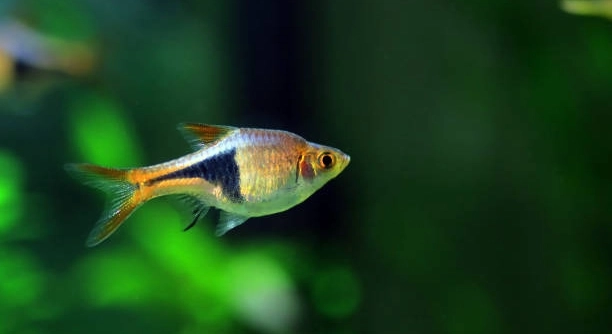
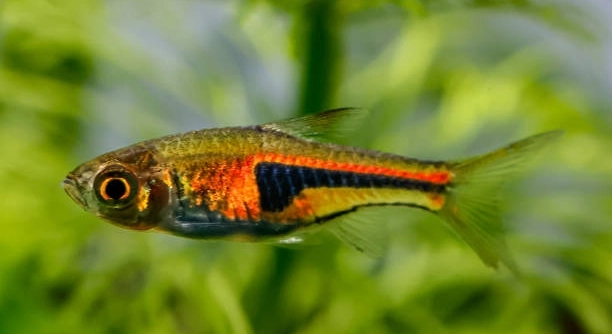
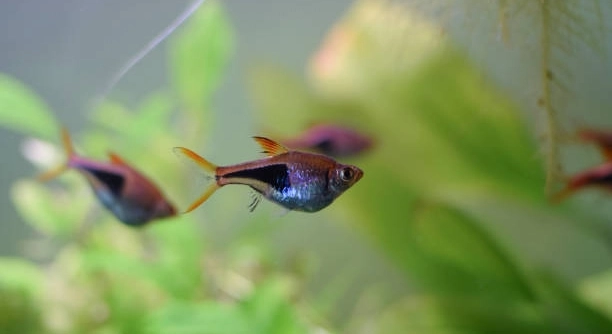
Rasboras are small, peaceful fish that thrive in well-maintained aquariums. Choosing the right substrate can influence their health, behavior, and the overall aesthetic of the tank. A proper base supports both plants and fish comfortably. The best substrate for rasboras is fine-grained, smooth sand or small, rounded gravel. This type minimizes injury risks, allows natural … Read more

7 Reasons Rasboras Might Swim Erratically

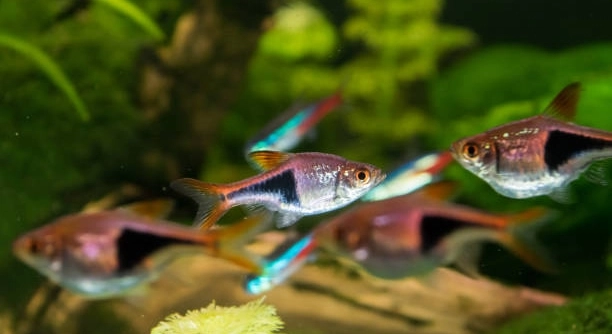
Rasboras are popular freshwater fish admired for their small size and vibrant colors. Many aquarists enjoy watching them glide through the water, yet sometimes their movements can appear unusual or jittery. Understanding these behaviors is important for their care. Erratic swimming in rasboras often results from environmental stress, illness, poor water quality, or dietary imbalances. … Read more

Why Do Rasboras Follow Each Other?

Rasboras are small, colorful fish often seen swimming together in home aquariums. Their lively movements and shimmering scales make them a favorite among fish enthusiasts, creating a gentle, calming presence in any tank environment. Rasboras follow each other primarily for safety and social cohesion. Moving in groups helps reduce predation risk, maintain coordinated swimming patterns, … Read more

Why Are My Rasboras Only in One Corner?

Many aquarium owners notice their rasboras gathering in one corner of the tank. This behavior can seem unusual or concerning, especially when the fish normally swim freely across the aquarium, leaving owners wondering about the cause. Rasboras often stay in a single corner due to water conditions, tank layout, or stress. Poor oxygen levels, strong … Read more

7 Fun Observations About Rasbora Behavior

Rasboras are small, active fish that brighten home aquariums with their lively movements and shimmering colors. Observing their daily habits can reveal subtle patterns that make these fish unique and entertaining to watch. Their behavior often surprises new owners. Rasboras exhibit social schooling behavior, preferring to swim in coordinated groups. They display active foraging habits, … Read more

7 Clues That Rasboras Need a Larger Group

Many fishkeepers enjoy keeping rasboras for their peaceful nature and bright colors. These small schooling fish thrive when they have a proper social environment, which is often overlooked in home aquariums. Observing their behavior is essential. Rasboras require a larger group to maintain natural social behaviors and reduce stress. Small groups can lead to aggression, … Read more

How Often Should You Clean a Rasbora Tank?

Keeping a rasbora tank clean is essential for the health and happiness of your fish. Maintaining clear water and a healthy environment ensures your aquatic pets thrive and reduces the risk of algae or disease buildup over time. Rasbora tanks should typically be cleaned once every one to two weeks, depending on the number of … Read more

7 Signs Rasboras Don’t Like the Current

Rasboras are small, lively fish that thrive in calm waters. Watching them in your tank can be relaxing, but sometimes their behavior may hint at discomfort with the water current. Noticing these changes early helps maintain a healthy environment. Signs that rasboras dislike the current include hiding frequently, clinging to plants, struggling to swim, showing … Read more

7 Ways to Keep Rasboras Social and Active

Rasboras are small, lively fish that thrive in groups. Keeping them social and active can make your aquarium more vibrant and engaging. Observing their natural behavior can be both relaxing and rewarding for fish keepers everywhere. Ensuring rasboras remain social and active requires proper tank size, group living, consistent feeding, and environmental enrichment. Regularly maintaining … Read more

7 Smart Tweaks to Encourage Rasbora Activity

Rasboras are lively, small fish that can brighten up any freshwater tank. Many hobbyists enjoy watching them, but sometimes these active swimmers seem less energetic than expected in their environment. Encouraging rasbora activity involves creating a balanced habitat, maintaining proper water conditions, and providing stimulating decor. Consistent temperature, gentle currents, and suitable hiding spots help … Read more