7 Environmental Noises That Alarm Rasboras
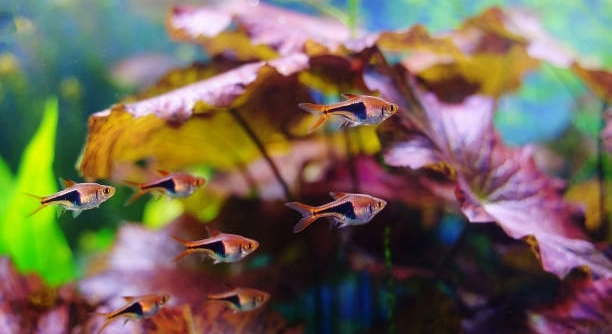
Many aquarists notice sudden stress in rasboras when unfamiliar sounds enter the room, affecting feeding, schooling, and color. Environmental noise often goes unnoticed, yet it plays a quiet role in daily tank stability overall health. Rasboras are highly sensitive to vibrations and sharp sounds, which disrupt their sense of safety. Household noises, equipment hums, and … Read more

Do Rasboras Change Color When Scared?

Rasboras are small, peaceful fish often admired for their shimmering colors and gentle movements. Observing them in a well-maintained aquarium can be relaxing, yet their behavior sometimes changes under stress or sudden disturbances. These subtle shifts catch the attention of many hobbyists. Rasboras can change color when they are scared due to stress responses. Their … Read more

7 Things to Know Before Getting Rasboras

Rasboras are small, colorful fish that bring life to any freshwater tank. Many aquarium enthusiasts enjoy their peaceful nature and active swimming patterns, making them a popular choice for both beginners and experienced fish keepers. Their social behavior adds charm to any tank. Before getting rasboras, it is important to understand their specific care requirements. … Read more

7 Triggers for Rasbora Color Enhancements

Rasboras are small, lively fish that brighten any aquarium with their vibrant colors. Many hobbyists enjoy observing how their hues change and deepen over time, making color enhancement an exciting aspect of fishkeeping. Color enhancement in rasboras can be influenced by several factors including diet, water quality, lighting, tank environment, stress levels, breeding conditions, and … Read more

7 Indicators of Poor Rasbora Water Quality

Keeping Rasboras healthy requires more than regular feeding. Water conditions play a crucial role in their wellbeing. Many hobbyists overlook subtle signs of poor water quality, which can affect the fish’s behavior, color, and overall vitality in the tank. Indicators of poor Rasbora water quality include cloudy water, unusual odors, algae overgrowth, lethargy, faded coloration, … Read more

Do Rasboras Need Shade in Their Tank?

Do your rasboras swim energetically across your tank, adding lively color and motion to your aquarium? These small, peaceful fish create a charming display, and many aquarists enjoy observing their delicate patterns and social behaviors daily. Rasboras do benefit from shaded areas in their tank, as partial shade helps reduce stress and mimics their natural … Read more

Why Do Rasboras Swim Up and Down?

Rasboras are small, peaceful fish that often bring life to home aquariums. Watching them swim can be relaxing, but their constant movement up and down can make you wonder about their behavior and needs. Rasboras swim vertically due to a combination of factors including feeding habits, water temperature, and oxygen levels. They adjust their position … Read more

Are Rasboras Sensitive to Water Changes?

Rasboras are small, lively fish often kept in home aquariums. Many fish owners enjoy their bright colors and peaceful nature, making them a popular choice for community tanks. Proper care is essential for their wellbeing. Rasboras are sensitive to sudden water changes. Abrupt shifts in temperature, pH, or chemical composition can stress these fish, leading … Read more

What Happens When Rasboras School Tightly?

Rasboras are small, lively fish that often move together in large groups within aquariums. Their synchronized swimming creates a fascinating display that many fishkeepers enjoy observing during daily care routines. When rasboras school tightly, they exhibit coordinated movements that enhance protection against predators and reduce stress. This schooling behavior also facilitates efficient foraging, stabilizes social … Read more

7 Signs Rasboras Are Bonding in a Group

Rasboras are small, peaceful fish that thrive in groups, creating a calm and lively atmosphere in aquariums. Observing their behavior can reveal interesting patterns that show how they interact with each other naturally. Rasboras display bonding through synchronized swimming, gentle nudges, shared resting spots, and coordinated feeding. These behaviors indicate social cohesion, mutual recognition, and … Read more