
Have you ever watched your fish and wondered if some seem more curious or active than others in your aquarium setup?
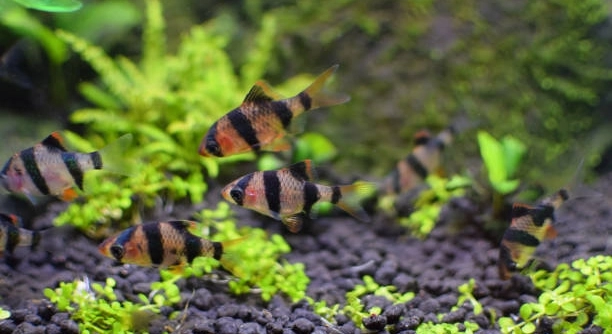
Tiger Barbs show stronger problem-solving behaviors and social learning compared to goldfish. Their natural tendencies toward group dynamics and exploratory actions suggest a higher capacity for adapting to new environments and responding to external stimuli.
These differences help explain why one species may appear more intelligent in daily aquarium life.
Comparing Intelligence in Tiger Barbs and Goldfish
Tiger Barbs are naturally more active and tend to explore their environment with more curiosity than goldfish. They often interact with objects, observe tank mates, and respond quickly to changes in their surroundings. Goldfish, while intelligent in their own way, are slower to adapt and generally more passive. In lab settings, Tiger Barbs have shown faster learning in maze-like tasks and stronger responses to training cues. These traits suggest a higher cognitive flexibility. Goldfish do have memory abilities and can recognize feeding routines, but their problem-solving skills are more limited. While both species can be trained to some extent, Tiger Barbs typically respond better to enrichment and environmental changes. This makes them seem more alert and aware of their surroundings. Each species has unique traits, but when it comes to learning and quick thinking, Tiger Barbs tend to stand out. Their behavior in groups also adds to their dynamic interactions.
Both fish are capable of basic learning, but Tiger Barbs show stronger adaptability and awareness in unfamiliar situations.
Observing their behavior closely shows that Tiger Barbs rely on fast reactions and active learning. They navigate spaces with purpose, often working together in groups. Goldfish prefer routine and repetitive movements, which reflects their slower, more habitual thinking patterns.
Social Behavior and Interaction Styles
Tiger Barbs are social swimmers that stick close together. They engage in quick movements, playful chases, and group turns.
In a shared tank, Tiger Barbs often communicate through their body language and use their speed to establish roles within their group. Their behaviors are shaped by social needs and competitive instincts, which makes their interactions more layered. This allows them to develop patterns that suggest they are learning from each other. Goldfish, in contrast, are calmer and more solitary. They don’t form tight groups or interact as actively with tank mates. Instead, they rely on their environment and routines for comfort. Their responses tend to be slower, and they show less interest in new tank features unless it involves food. While both fish have basic social awareness, Tiger Barbs display more complex group behaviors that help them adapt and respond in different settings. This may contribute to why they’re often seen as more “aware” or “engaged” in their environment.
Learning Through Environment and Stimulation
Tiger Barbs are quick to respond to new tank setups, toys, or changes in lighting. They react almost immediately, showing signs of curiosity and group coordination. Goldfish typically take longer and often ignore environmental changes unless it directly affects feeding.
Interactive tank environments help Tiger Barbs stay engaged. They tend to inspect decorations, follow movement, and react to slight changes in water flow. This stimulation encourages them to learn and adapt faster. Goldfish prefer consistent settings and repeat their routines unless food or light interrupts them. Their learning tends to be passive and based on memory, rather than exploration. While both species can recognize patterns like feeding times, Tiger Barbs often explore without needing external rewards. They show increased awareness when placed in rotating setups. This difference in environmental interaction shows how Tiger Barbs rely more on cognitive stimulation, while goldfish thrive on familiarity and rhythm.
Over time, Tiger Barbs continue to adjust their behavior based on changes around them. They form patterns, shift roles in the group, and quickly get used to tank changes. Goldfish, however, stick to familiar paths and avoid new objects unless food is involved. This shows a difference in how both species process and retain environmental information.
Response to Training and Conditioning
Goldfish can be trained to respond to light cues and even swim through hoops, but the process is slower and requires repeated rewards. Tiger Barbs show faster engagement, especially when trained in groups.
Training Tiger Barbs involves simple repetition and visual cues. Their strong group dynamics allow them to follow patterns once one fish begins responding. This shared behavior shortens the time it takes for them to catch on. Goldfish rely heavily on food motivation and can learn, but with more trial and error. Their responses are less consistent, especially when trained without regular reinforcement. Tiger Barbs, even when trained individually, show more interest in the task itself. Their energetic nature supports quicker reactions and stronger focus. While goldfish do have long memories, Tiger Barbs process tasks with more intensity. Both species are trainable, but Tiger Barbs generally respond better to short, structured sessions. Their behavior suggests a more flexible learning style.
Memory and Recognition Abilities
Goldfish can remember feeding times, recognize their owners, and associate specific cues with rewards. Their memory span often surprises people, lasting weeks in some cases. However, their learning relies heavily on repetition and environmental consistency.
Tiger Barbs also show memory retention, especially when trained in groups. They recognize patterns quickly and adjust to routine changes faster than goldfish.
Problem-Solving in Tank Settings
Tiger Barbs approach barriers, tunnels, and mazes with energy and group effort. They explore, adjust paths, and learn routes over repeated trials. Goldfish move cautiously and are less likely to attempt new routes without food involvement. Tiger Barbs engage more readily with puzzles and show better spatial awareness in active settings.
Final Thoughts on Intelligence
Both fish show signs of learning and memory, but Tiger Barbs demonstrate faster adaptation, more active engagement, and stronger group-based learning responses.
FAQ
Can Tiger Barbs be trained like goldfish?
Yes, Tiger Barbs can be trained, and they often respond more quickly than goldfish. With repeated exposure and simple cues, such as tapping on the tank or using visual markers, Tiger Barbs can learn to associate signals with feeding time or navigation tasks. Their natural curiosity and group behavior help speed up the process. Training works best in short, consistent sessions. While goldfish also respond well to training, they usually require more repetition and are more food-driven. Tiger Barbs may not perform as many tricks, but they show stronger problem-solving behaviors during training exercises.
Do goldfish recognize their owners?
Goldfish are capable of recognizing their owners, especially when associated with feeding routines. They may swim to the front of the tank or show more activity when their regular caretaker approaches. This response is based on memory and recognition of patterns, like the time of day or specific movements. Some goldfish even react to the sound of a familiar voice. While it’s not the same as emotional recognition in mammals, it does show that goldfish can make connections between people and regular activities. Over time, these associations become part of their daily routine and behavior.
Are Tiger Barbs more aggressive because they are smarter?
Tiger Barbs are naturally more energetic and may show territorial or competitive behavior, especially in small or crowded tanks. This isn’t necessarily linked to intelligence, but more to their social structure and need for group balance. Their alertness and quick reactions might make them seem more intense compared to goldfish. While intelligence can influence how fish respond to stress or change, aggression in Tiger Barbs is more about environment and tank dynamics. Keeping them in larger groups often reduces conflict, as it spreads out attention and creates a more stable social structure.
Which fish learns faster, Tiger Barbs or goldfish?
Tiger Barbs typically learn faster than goldfish when exposed to new environments, cues, or tasks. They explore actively and respond to changes as a group, which speeds up learning. Goldfish can also learn, especially through food rewards, but they move at a slower pace and repeat behaviors more often. Tiger Barbs adjust quickly to new tank decorations or training routines. Their energy and curiosity help them absorb patterns without the need for constant reinforcement. Goldfish can retain information for longer periods, but they need more time to learn new tasks compared to Tiger Barbs.
How do both species handle change in their environment?
Tiger Barbs adapt quickly to new tank features or layouts. They explore changes together and often return to those areas, showing interest and recognition. Their group behavior allows them to learn by watching each other. Goldfish, on the other hand, prefer stability. They tend to avoid new objects unless encouraged by food or familiar routines. Sudden changes may stress them or cause hesitation. It’s important to introduce changes gradually with both species, but Tiger Barbs are more likely to engage with new items right away. Their adaptability is a key trait that sets them apart.
Can both fish types solve mazes or puzzles?
Yes, both Tiger Barbs and goldfish can navigate simple mazes or puzzles, especially when there’s a food reward. Tiger Barbs often approach these tasks with more energy and group effort. They test different paths and adjust quickly over repeated tries. Goldfish may take longer and often use trial and error. Over time, both can remember correct routes. However, Tiger Barbs tend to show more persistence and awareness when navigating, especially if trained together. Their fast response time and spatial awareness allow them to solve problems more efficiently in stimulating setups.
Is one fish better suited for beginners?
Goldfish are often recommended for beginners due to their calm nature and tolerance for a wider range of temperatures. They’re easier to monitor and don’t require social balancing like Tiger Barbs do. However, they need larger tanks and produce more waste. Tiger Barbs are more active and require group setups to stay peaceful. They need more stimulation and space to prevent aggression. While they may need more care in terms of social balance, their vibrant behavior and quick learning make them enjoyable to observe. Both species are manageable with proper care and planning.
Final Thoughts
Tiger Barbs and goldfish are both intelligent in their own ways. While they share some learning abilities, their behavior, speed of response, and social habits show clear differences. Tiger Barbs are fast, alert, and more responsive to changes in their environment. They explore new spaces quickly and often as a group. This group behavior helps them learn and adapt faster. Goldfish are calmer and rely more on repetition and familiar routines. They learn best when tasks are connected to feeding or daily habits. Their memory is strong, but they tend to move slower and prefer stable environments over frequent changes.
When comparing both, Tiger Barbs often show higher levels of engagement with their surroundings. They react quickly to light changes, tank rearrangements, and even training exercises. Their active nature helps them take in new information with less repetition. They also work well in groups, which allows shared learning and problem-solving. Goldfish, while slower to adapt, still show clear signs of memory and recognition. They can learn basic tasks and remember them for long periods. However, they usually need more time and patience during training. They also respond best when there is food involved, which motivates them to take part in new activities.
Both fish require different care approaches based on their natural behaviors. Tiger Barbs do well in social groups and need a tank that allows for movement and exploration. Without stimulation, they may become restless or aggressive. Goldfish do better in simple, clean environments with steady routines. They are more sensitive to poor water conditions and require regular tank maintenance. When choosing between the two, it helps to consider your setup and the time you can give to each species. If you enjoy observing fast, interactive behavior, Tiger Barbs may be the better match. If you prefer a slower pace and simple care, goldfish are a reliable choice. Each fish has its own learning style and personality, and with proper care, both can be enjoyable and interesting to watch.

Hello,
If you enjoy the content that we create, please consider saying a "Thank You!" by leaving a tip.
Every little bit helps us continue crafting quality advice that supports the health, happiness, and well-being of pets around the world, for pets of all shapes, sizes, and species.
We really appreciate the kindness and support that you show us!