
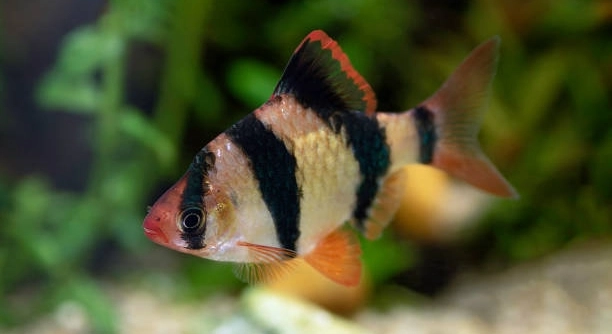
Tiger Barbs are popular aquarium fish known for their vibrant colors and active behavior. Many aquarium enthusiasts pay close attention to their environment to keep them healthy and stress-free. Sound levels in the tank are one factor some owners wonder about.
Tiger Barbs are indeed sensitive to loud sounds. Sudden or continuous loud noises can cause stress, affecting their behavior and health. Maintaining a calm and quiet environment helps ensure their well-being and reduces the risk of stress-related issues.
Understanding how sound affects Tiger Barbs is important for creating a comfortable home for them. This article will explain what you need to know to keep your fish calm and thriving.
How Loud Sounds Affect Tiger Barbs
Tiger Barbs can be startled easily by loud noises. Their natural habitat is usually calm, so sudden sounds in an aquarium environment can make them nervous. Loud noises trigger their fight-or-flight response, causing them to dart around or hide. Prolonged exposure to noise can increase stress levels, which affects their immune system and can lead to illness. In some cases, constant loud sounds can cause changes in their swimming patterns or social behavior. These fish prefer a quiet space where they can swim freely without feeling threatened. Keeping the tank away from busy areas or loud appliances helps reduce unnecessary noise. Owners should also avoid tapping on the glass or playing loud music near the aquarium to keep their Tiger Barbs comfortable.
Stress caused by noise can lead to health problems in Tiger Barbs. A quiet environment is key to their well-being.
Noise affects not just behavior but overall health. Stress weakens their defenses and may cause infections. If the fish seem agitated or hide frequently, noise could be the reason. Reducing sound levels improves their mood and health, allowing them to display natural behaviors. Creating a calm setting also helps maintain balance within the tank, reducing aggression among fish. Making small changes like moving the aquarium to a quieter room or using a tank cover to muffle sounds can help. This simple step supports your fish’s long-term health and happiness.
Tips to Reduce Noise Around Your Aquarium
Placing the aquarium in a quiet area minimizes loud sound exposure.
Moving the tank away from doors, TVs, or speakers reduces noise. Using soft mats under the tank helps absorb vibrations from floors. Avoid banging or tapping the glass, as it disturbs the fish. Closing windows or doors near the tank lowers outside noise intrusion. These small actions create a peaceful environment that helps Tiger Barbs feel secure.
Soundproofing your tank area involves thoughtful adjustments. Positioning the aquarium where household noise is less frequent makes a big difference. Adding plants or decorations inside the tank can also reduce echoes and noise inside the water. If possible, use thick curtains or rugs in the room to absorb sound waves. Avoid placing the tank near loud appliances like washing machines or air conditioners, which create constant background noise. Consistent noise can stress the fish, so minimizing it is essential. By taking these steps, you help your Tiger Barbs stay calm, which promotes their health and natural behavior in the aquarium.
Signs Tiger Barbs Are Stressed by Noise
Tiger Barbs show stress in different ways when exposed to loud sounds. They may hide more often or swim frantically without clear direction. You might notice their colors fading or a loss of appetite. These signs indicate discomfort and stress due to noise.
When Tiger Barbs are stressed by noise, their behavior changes noticeably. They tend to stay near the bottom or corners of the tank, avoiding open areas. Erratic swimming, such as sudden bursts or collisions with tank walls, is common. Stress can also lead to aggression toward other fish, disrupting the usual peaceful group dynamic. Watching for these changes helps identify if noise is affecting your fish’s well-being. Early detection allows for quick adjustments in their environment.
In some cases, stress from noise weakens the immune system, making fish prone to diseases like fin rot or fungal infections. A stressed fish might also lose interest in food, which worsens their health. Reducing noise and providing hiding spots helps them feel safer. Maintaining a stable, quiet environment encourages normal behavior and improves their resistance to illness.
Creating a Calmer Aquarium Environment
Controlling noise sources near the tank is the first step to reducing stress. Moving the aquarium to a low-traffic room limits loud sounds that cause agitation.
Adding plants and decorations inside the tank offers hiding spots and visual barriers, reducing stress from external disturbances. These elements also break up reflections and vibrations, making the environment more secure. Keeping consistent water conditions further supports their comfort. Using a gentle filter and avoiding sudden changes in lighting help maintain calm surroundings. Small habits, like speaking softly or moving slowly around the tank, also contribute to a peaceful setting. These combined efforts create a stable environment where Tiger Barbs can thrive without the added stress of loud noises.
Can Tiger Barbs Adapt to Loud Sounds?
Tiger Barbs can adjust to some noise over time, but sudden loud sounds will always startle them. Adaptation depends on the frequency and intensity of the noise. Constant loud environments may still cause ongoing stress despite some adjustment.
Even if Tiger Barbs seem to get used to noise, it does not mean they are comfortable. Stress may still build quietly and affect their health in the long run. Keeping noise levels low is best for their welfare.
Using Soundproofing Materials
Soundproofing materials around the tank can reduce noise impact. Foam pads, heavy curtains, or carpets help absorb sound vibrations and create a quieter environment.
Importance of Routine Monitoring
Regularly observing your Tiger Barbs’ behavior helps catch stress signs early. Monitoring ensures timely changes to their environment for better health.
FAQ
Are Tiger Barbs more sensitive to some types of noise than others?
Yes, sudden, sharp noises tend to startle Tiger Barbs more than continuous low-level sounds. Loud bangs or knocks on the aquarium glass cause immediate stress. On the other hand, constant background noise like a quiet fan is less disturbing but can still contribute to stress if too loud.
How can I tell if loud sounds are stressing my Tiger Barbs?
Watch for signs like frantic swimming, hiding more than usual, loss of appetite, or faded colors. Aggression between fish can also increase when they feel threatened. These behavioral changes often point to stress caused by their environment, including noise.
Is it okay to play music near the aquarium?
Soft, calm music played at a low volume is generally okay and may not bother the fish. However, loud music with heavy beats or sudden changes can cause stress. It’s best to avoid playing music directly next to the tank or at high volumes.
Can Tiger Barbs get used to noise over time?
Tiger Barbs may show some level of adaptation to regular sounds, but they never fully become comfortable with loud or sudden noises. Continuous loud sounds can still raise stress levels even if the fish appear to tolerate it.
What are simple ways to reduce noise around the aquarium?
Place the tank away from doors, TVs, and appliances. Use rugs or mats under the aquarium stand to absorb vibrations. Close windows and doors to minimize outside noise. Avoid tapping or banging on the glass.
Does stress from noise affect Tiger Barbs’ health?
Yes, stress weakens their immune system, making them more prone to infections like fin rot or fungal diseases. It can also reduce their appetite, causing weight loss and poor health over time.
Can adding plants and decorations help reduce noise stress?
Yes, plants and decorations create hiding spots and break up visual disturbances. They can also dampen vibrations inside the tank, making the environment feel safer for your fish.
Should I monitor my Tiger Barbs’ behavior regularly?
Absolutely. Frequent observation helps detect early signs of stress. This allows for quick adjustments to noise levels or tank conditions, which can prevent health problems.
Is soundproofing necessary for all aquariums with Tiger Barbs?
Not always. It depends on the tank’s location and surrounding noise levels. If your tank is in a quiet room, soundproofing may not be needed. In noisy areas, it can significantly improve the fish’s comfort.
Can other fish in the tank be affected by loud sounds?
Yes, loud noises stress most fish species, not just Tiger Barbs. Stress can increase aggression and health issues across all tank inhabitants. Keeping noise low benefits the entire aquarium community.
What should I do if my Tiger Barbs are showing stress symptoms?
First, reduce noise levels around the tank. Provide plenty of hiding places and maintain stable water conditions. If symptoms persist, consult a specialist to check for possible illnesses caused by stress.
Is tapping on the aquarium harmful to Tiger Barbs?
Yes, tapping can cause immediate fright and long-term stress. It’s best to avoid this behavior completely to keep your fish calm and healthy.
Can bright or flashing lights combined with loud noises worsen stress?
Yes, combined sensory disturbances like bright lights and loud noises increase stress more than either alone. Keeping a calm environment with soft lighting and minimal noise supports better health.
How often should I check noise levels around the tank?
Check noise sources regularly, especially if the tank is near busy areas. Monitoring during different times of the day helps identify when noise spikes occur so you can adjust accordingly.
Are there any natural sounds that can calm Tiger Barbs?
While fish don’t respond to music like humans, soft, gentle water sounds or bubbling from a filter can create a soothing background. Avoid harsh or irregular noises that could cause stress.
What else can affect Tiger Barbs’ sensitivity to noise?
Tank size, water quality, and the number of hiding spots all influence how well Tiger Barbs handle noise. Poor water conditions or overcrowding increase stress, making noise more harmful. Maintaining good overall care improves their resilience.
Tiger Barbs are lively and colorful fish that add a lot of energy to an aquarium. Their well-being depends heavily on the environment we provide, including the sounds around them. Loud or sudden noises can cause these fish significant stress, which affects their behavior and health. It is important to keep their surroundings calm and quiet to help them feel safe and comfortable. Even small changes in noise levels can have an impact, so being aware of the sounds near the tank is essential for their care.
Creating a peaceful space for Tiger Barbs means paying attention to both external and internal factors. Placing the tank in a quiet room away from frequent noise sources reduces stress. Inside the tank, decorations and plants offer hiding spots that help the fish relax when they feel threatened. Using sound-absorbing materials around the aquarium can further lessen the effect of loud sounds. These simple steps make a big difference in lowering stress levels, promoting natural behavior, and supporting overall health. Regularly observing the fish for any signs of stress also helps catch problems early before they affect their well-being.
Maintaining a calm environment is just one part of good care for Tiger Barbs. Along with water quality, proper diet, and social grouping, minimizing loud sounds contributes to a balanced, healthy habitat. Fish that are less stressed are more active, show brighter colors, and live longer. Taking time to manage noise and ensure a quiet space benefits not only Tiger Barbs but all aquarium inhabitants. This attention to detail makes a positive difference in the fish’s life and enhances the enjoyment of keeping them in the aquarium.

Hello,
If you enjoy the content that we create, please consider saying a "Thank You!" by leaving a tip.
Every little bit helps us continue crafting quality advice that supports the health, happiness, and well-being of pets around the world, for pets of all shapes, sizes, and species.
We really appreciate the kindness and support that you show us!