
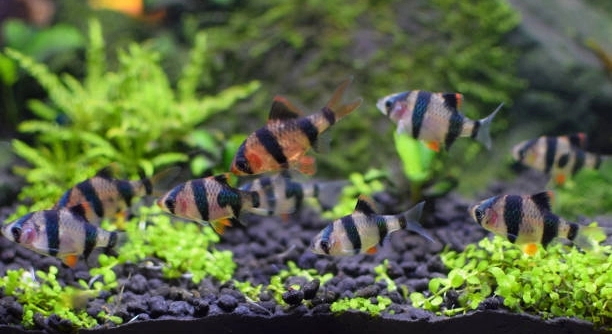
Tiger barbs are a popular choice among aquarium enthusiasts due to their striking colors and active behavior. These small freshwater fish can bring life to a tank and are often considered by beginners looking to start their aquatic journey. Understanding their care needs helps ensure a healthy environment for them.
Tiger barbs can be suitable for beginners if proper care is provided. They require a moderately sized tank, stable water conditions, and social groupings to thrive. Their active nature and occasional fin-nipping behavior should be considered when choosing tank mates.
Learning about their temperament, tank requirements, and feeding habits will help ensure success with tiger barbs. This article covers essential information to support first-time fish keepers.
Tiger Barbs’ Tank Requirements
Tiger barbs need enough space to swim actively. A tank of at least 20 gallons is recommended for a small group, since these fish are social and should be kept in groups of six or more. Clean, well-filtered water with a stable temperature between 74°F and 79°F is essential for their health. The tank should have plenty of hiding spots created by plants or decorations to reduce stress. Regular water changes help maintain water quality, which is important to prevent illness. Avoid overcrowding the tank, as it can lead to aggression and poor water conditions. Lighting should be moderate, and the substrate can be gravel or sand. Consistency in tank conditions supports their well-being. Taking time to set up and maintain the right environment will lead to a more enjoyable and healthier tank for your tiger barbs.
Keeping water conditions stable helps prevent stress and diseases, making it easier to care for these fish successfully.
Proper tank setup not only supports their physical health but also encourages natural behavior. These fish are active swimmers and appreciate room to move freely. Plants and decorations provide security and help minimize aggression within the group. It’s also important to monitor water parameters regularly using test kits. A steady routine of water changes and tank cleaning keeps ammonia and nitrate levels low. Keeping the temperature consistent avoids shock or illness. With the right tank conditions, tiger barbs can live up to five years, making them a rewarding addition for beginners willing to maintain a stable environment.
Feeding Tiger Barbs
Tiger barbs are not picky eaters and will accept a variety of foods, including flakes, pellets, frozen, and live foods. They benefit from a balanced diet that includes protein and plant matter. Feeding small amounts twice a day is best to avoid overfeeding and water pollution.
A varied diet improves their color and energy levels.
Feeding tiger barbs a mix of high-quality flake or pellet food with occasional treats like brine shrimp or bloodworms keeps them healthy. Vegetables like blanched spinach or zucchini can be offered for added nutrition. Avoid overfeeding, as uneaten food can quickly degrade water quality and lead to health problems. It’s helpful to observe their behavior during feeding times to ensure all fish are eating. Maintaining a regular feeding schedule supports their metabolism and overall health. Proper nutrition, combined with clean water, contributes to a longer, healthier life for tiger barbs in the home aquarium.
Tiger Barbs’ Behavior and Temperament
Tiger barbs are active and energetic fish that often swim in groups. They can be a bit nippy, especially toward slow-moving or long-finned tank mates. Keeping them in groups of six or more helps reduce aggression by spreading out their energy and focus.
Their playful nature makes them entertaining to watch, but it’s important to choose tank mates carefully. Aggressive or very peaceful fish may not be the best match. Tiger barbs sometimes chase other fish but usually don’t cause serious harm if the group is large enough. Understanding their temperament helps create a balanced community tank.
Watching how tiger barbs interact with others is key. They often display chasing and fin-nipping behavior, which can be stressful for some species. Providing enough space and hiding spots lessens tension. Avoid mixing them with delicate fish that may be targets. Pairing tiger barbs with other fast, robust species results in a lively but peaceful aquarium environment. Adjusting the number of tiger barbs and tank mates can improve harmony in the tank.
Health and Common Issues
Maintaining good water quality is crucial to prevent illnesses in tiger barbs. Poor conditions can lead to common problems like fin rot and ich. Regular water changes and proper filtration help avoid these issues.
Stress can weaken their immune system, so reducing aggression and providing hiding spaces is important. Feeding a balanced diet also supports their health and vitality. Monitoring their behavior and appearance daily helps catch early signs of illness.
If health issues appear, quarantining affected fish and treating the tank promptly can prevent spread. Early action improves recovery chances. Proper tank care and attention minimize health risks for tiger barbs, making them more resilient and enjoyable to keep.
Suitable Tank Mates
Tiger barbs do well with other active, similarly sized fish. Avoid slow or long-finned species, as they may become targets of fin-nipping. Good tank mates include danios, barbs, and some larger tetras.
Keeping tank mates that can handle their energy and occasional aggression promotes a peaceful aquarium.
Breeding Tiger Barbs
Breeding tiger barbs requires a separate breeding tank with soft, slightly acidic water. They scatter eggs among plants, and adults may eat the eggs if not separated. Raising fry needs careful feeding with fine, nutritious food.
Tank Setup Tips
Providing plenty of plants and hiding places helps reduce stress and aggression among tiger barbs.
FAQ
Are tiger barbs aggressive?
Tiger barbs can show aggressive behavior, especially fin-nipping, but this usually happens when they are kept in small groups or with slow-moving fish. Keeping them in groups of six or more helps reduce aggression by spreading their energy. Providing enough space and hiding spots also lowers stress and aggression levels.
How many tiger barbs should I keep together?
A minimum group size of six tiger barbs is recommended. They are schooling fish and feel safer in groups, which helps balance their behavior. Smaller groups tend to be more aggressive and stressed. Larger groups encourage natural social interaction and reduce the chance of bullying.
What size tank do tiger barbs need?
A 20-gallon tank is the minimum for a small group of tiger barbs. They are active swimmers and need room to move freely. More space is better, especially if adding other fish. Proper filtration and regular maintenance are essential for keeping the water clean and stable.
What water conditions do tiger barbs prefer?
Tiger barbs thrive in water temperatures between 74°F and 79°F. They prefer a pH between 6.0 and 7.5 and moderately hard water. Keeping the water parameters stable helps prevent stress and illness. Regular testing and water changes are important to maintain good water quality.
Can tiger barbs live with other fish?
Yes, tiger barbs can live with other fish, but it’s important to select compatible tank mates. Good companions include fast, robust species like danios and other barbs. Avoid slow or long-finned fish, as tiger barbs may nip at their fins. Keeping a balanced community reduces conflicts.
What do tiger barbs eat?
Tiger barbs are omnivores and accept a wide range of foods, including flakes, pellets, frozen, and live foods. Feeding a varied diet with protein and plant matter ensures good health. Overfeeding should be avoided to keep water quality high and prevent obesity.
How often should I feed tiger barbs?
Feeding twice a day in small amounts is best. They should consume the food within a few minutes to avoid leftover waste. Observing their eating habits helps adjust feeding amounts. Consistent feeding routines support healthy growth and energy.
How do I know if my tiger barb is healthy?
Healthy tiger barbs are active, show bright colors, and eat regularly. Watch for signs like clamped fins, lethargy, or spots, which may indicate illness. Regular observation and maintaining good water conditions help keep them healthy.
Can tiger barbs be bred at home?
Yes, tiger barbs can be bred at home but require a separate breeding tank with soft, slightly acidic water. Adults scatter eggs among plants and should be removed after spawning to prevent egg eating. Raising the fry involves feeding small, nutritious foods.
What common diseases affect tiger barbs?
Common diseases include fin rot and ich, usually caused by poor water quality or stress. Preventing these requires maintaining clean water and reducing aggression. Early treatment with appropriate medications improves recovery chances.
How long do tiger barbs live?
With proper care, tiger barbs can live up to five years. Good tank conditions, a balanced diet, and stress reduction all contribute to their lifespan. Regular monitoring helps detect issues early, supporting a longer, healthier life.
Do tiger barbs need special lighting?
Moderate lighting is best for tiger barbs. Too bright lighting can cause stress, while too dim lighting may affect their activity and color. Providing a natural day-night cycle helps maintain their well-being.
Is it necessary to provide hiding spots for tiger barbs?
Yes, hiding spots are important. Plants, rocks, and decorations offer shelter and reduce aggression. These spaces help fish feel secure, especially during rest or stress.
What should I do if my tiger barbs become aggressive?
Increase the group size if fewer than six. Add more hiding places or rearrange the tank layout to disrupt territorial behavior. Check water quality and reduce overcrowding. Avoid keeping them with slow or delicate fish that may provoke aggression.
Can tiger barbs tolerate changes in water temperature?
Sudden changes in temperature can stress tiger barbs. Keep water temperature stable within their preferred range. Use a reliable heater and monitor regularly to avoid fluctuations.
Are tiger barbs suitable for beginners?
Tiger barbs can be suitable for beginners willing to maintain consistent care. Their active behavior and basic tank needs make them manageable, but attention to group size, water quality, and tank mates is essential. Proper research and preparation improve success.
Tiger barbs are a lively addition to a home aquarium. Their bright colors and active swimming can make any tank more interesting. They do need some care and attention to thrive, but their needs are manageable for someone new to fishkeeping. Knowing their basic requirements—such as tank size, water quality, and social needs—helps avoid common problems. Keeping them in groups and providing a good environment reduces stress and aggression. This leads to healthier, happier fish.
Understanding their behavior is important for a peaceful tank. Tiger barbs are known to nip fins, which may not suit all tank mates. Choosing companions that can handle their energy helps keep harmony. Proper feeding with a balanced diet supports their health and vibrant colors. Regular maintenance like water changes and monitoring water parameters prevents illness. These steps do not require special skills, just consistency and care.
For beginners, tiger barbs offer a rewarding experience when their needs are met. They are not the easiest fish, but not the hardest either. Their active nature and social habits make them interesting to watch and care for. Learning about their tank setup, feeding, and behavior encourages confidence in fishkeeping. With patience and attention, tiger barbs can thrive, making them a good choice for someone ready to take on a small but lively group of freshwater fish.

Hello,
If you enjoy the content that we create, please consider saying a "Thank You!" by leaving a tip.
Every little bit helps us continue crafting quality advice that supports the health, happiness, and well-being of pets around the world, for pets of all shapes, sizes, and species.
We really appreciate the kindness and support that you show us!