
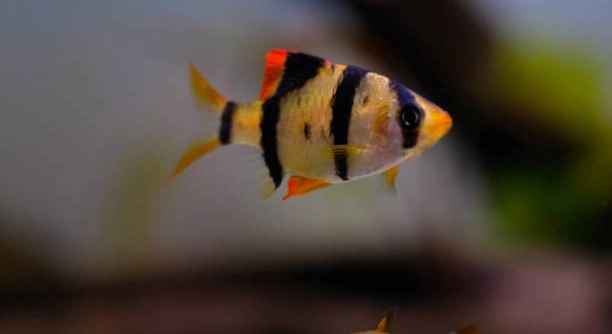
Have you ever set up a beautiful aquarium only to wonder if your tiger barbs truly notice the space they swim in?
Tiger barbs are not consciously aware of tank size, but their behavior is directly influenced by their environment. Limited space can lead to stress, aggression, and disrupted social dynamics, while a well-sized tank encourages natural, healthy activity.
Tank size plays a quiet but powerful role in your tiger barbs’ behavior, health, and overall happiness in their aquatic home.
How Tank Size Influences Tiger Barb Behavior
A tiger barb’s behavior is strongly shaped by its environment, especially the size of its tank. In small tanks, they can become territorial and aggressive. This is because tiger barbs are active, schooling fish that need space to swim and interact. A cramped space limits their movement, raises stress levels, and causes them to lash out at each other or at other tank mates. When placed in a more spacious tank, their behavior tends to change. They school more naturally, display healthier activity, and show reduced aggression. A proper tank size allows them to form better group dynamics, which is essential to their well-being. Without enough space, tiger barbs may also show signs of boredom, such as chasing or fin-nipping. These are not signs of conscious awareness of tank size but are direct responses to an unsuitable environment that fails to meet their basic needs.
Small tanks create tension. They increase the likelihood of aggressive behavior, and this can affect both the tiger barbs and their tank mates.
Choosing the right tank size is about more than just water volume. It directly supports your tiger barbs’ health and keeps their behavior balanced over time.
Social Needs and Environmental Balance
Tiger barbs are naturally social fish. They thrive in groups of at least six and rely on their group to feel safe.
In a small tank, tiger barbs are unable to school properly, which causes social stress. Their need to interact with others gets disrupted, leading to aggressive outbursts. Larger tanks give them space to move and form their usual group patterns. This helps maintain order in the tank. Adequate space also helps spread out territories, so one fish doesn’t dominate. A balanced environment lowers stress and creates the conditions they need to behave normally. It also makes it easier to include other peaceful fish. Tank mates will be less likely to get nipped when tiger barbs feel safe and stimulated. Additionally, a well-sized tank allows better filtration, oxygen levels, and enrichment through plants or décor. These small factors come together to create a stable, peaceful tank that reflects the tiger barbs’ natural preferences without forcing them to adapt to a space that doesn’t support their needs.
Signs Your Tiger Barbs Need More Space
Tiger barbs may start chasing or nipping at each other more often when space is limited. Fin damage, hiding, or erratic swimming are also signs something isn’t right with their environment.
When tiger barbs don’t have enough space, their stress builds up quickly. You might notice them forming unstable groups, chasing weaker fish, or becoming unusually restless. Instead of swimming in smooth, coordinated patterns, they may dart around the tank in short, aggressive bursts. This shift in behavior is a clear signal. A crowded tank doesn’t allow each fish enough personal space to reduce conflict. Even adding décor can make the tank feel tighter, adding to their frustration. It’s not always about the number of fish—it’s about how much open water they can move through comfortably. Behavior changes usually appear before any health issues, making them your first clue that the tank might be too small.
Tiger barbs are normally bold and energetic, but a lack of space can dull their natural spark. If they start hiding more or swimming near the surface constantly, that’s not typical. Some may even lose their color, which is often tied to high stress. Healthy tiger barbs will be active, curious, and swim in synchronized motion. Once their tank is upgraded to a suitable size, these stress signs often fade quickly. You’ll see them become more playful, showing their bright colors and chasing each other in a balanced way. Their feeding behavior also improves. Space gives them room to move, school, and behave naturally—something they can’t fake. When in doubt, observe closely. Their behavior always tells the story.
Minimum Tank Size and Setup Tips
A group of six tiger barbs needs at least a 20-gallon tank, but 30 gallons or more is often better. This helps prevent aggression and gives them enough space to move freely and school naturally.
Start by choosing a long tank rather than a tall one, since tiger barbs are active swimmers that enjoy horizontal space. Stick with a school of six or more—this helps spread out aggression and supports healthy group behavior. Add real or artificial plants for hiding, but leave open space for swimming. A well-fitted filter is essential to keep water clean, especially in an active tank. Keep the temperature between 74–79°F and test water weekly to maintain stable conditions. Avoid housing them with slow-moving or long-finned fish, as tiger barbs may nip. When setting up their tank, always think of space as more than just size—it’s a key part of their behavioral health and stability.
How Tank Mates Affect Behavior
Tiger barbs can get more aggressive when kept with slow or long-finned fish. Their natural energy often leads to chasing or fin-nipping, especially in tight spaces where fish can’t avoid each other.
Choosing active, similarly sized tank mates helps reduce tension. Avoid species that get stressed easily or react poorly to fast movement.
Do Tiger Barbs Recognize Tank Boundaries?
Tiger barbs don’t recognize tank size the way humans do. They respond to their environment through behavior. When space is limited, they show more stress, aggression, or restlessness. In larger tanks, their activity becomes more natural, and they show less conflict. They react based on how their surroundings feel, not by understanding tank limits.
Final Thoughts on Tank Size Awareness
Tiger barbs won’t consciously notice tank boundaries, but their behavior clearly shows when they need more space to stay healthy and calm.
FAQ
Can tiger barbs live in a 10-gallon tank?
No, a 10-gallon tank is too small for tiger barbs. These fish are fast swimmers and need room to school. Keeping them in a tank this small often leads to stress, aggression, and poor health. Even a small group of tiger barbs should have at least 20 gallons to swim comfortably. Without that space, they can’t form proper group dynamics, which increases tension and fin-nipping. A larger tank supports both their behavior and their long-term health, helping them live more naturally.
How many tiger barbs should be kept together?
Tiger barbs do best in groups of at least six. When kept in smaller numbers, they often become aggressive. In a group, they establish a clear pecking order, which helps spread out tension. The more tiger barbs in the school (within reason and space limits), the more stable the group usually becomes. This reduces bullying of weaker fish. A good rule is to always keep them in even numbers and ensure the tank is big enough to support the full group comfortably.
Do tiger barbs need tank mates to stay active?
Tiger barbs don’t need other species to stay active, but they do enjoy a lively tank environment. Their own group provides enough stimulation. If you want to add other species, make sure they can keep up with the tiger barbs’ pace. Avoid slow or long-finned fish like angelfish or bettas, as tiger barbs may nip at them. Ideal tank mates include danios, rasboras, or other fast, mid-level swimmers. Always watch how they interact, especially during the first few days.
What happens if a tiger barb is kept alone?
A single tiger barb will likely become stressed and aggressive. These fish are social by nature and rely on group behavior to feel safe. Without a school, they often lash out or hide. Their health can also decline due to chronic stress. They may lose color, stop eating regularly, or show nervous swimming. Even though one fish might survive on its own, it won’t thrive. Keeping tiger barbs in a group is essential to their mental and physical well-being.
Can tank decorations replace the need for space?
Decorations like plants, rocks, and tunnels provide enrichment, but they don’t replace the need for open swimming space. Tiger barbs enjoy darting around and need a clear area to do so. Too many decorations in a small tank can actually make it feel more cramped. Use décor to break line of sight and offer hiding spots, but always balance it with enough open water. The key is to create a layout that gives structure without limiting their natural movement.
Is it better to go bigger than the recommended tank size?
Yes, a larger tank almost always results in better behavior and health for tiger barbs. Bigger tanks support stable water conditions, more natural swimming patterns, and better social interactions. While 20 gallons is the minimum, a 30- or 40-gallon tank will allow for a larger group and less stress. It also gives you more flexibility when choosing tank mates or adding plants and décor. More space makes everything easier—filtration, maintenance, and fish well-being. Overcrowding is much harder to fix once problems start.
Do tiger barbs get bored in smaller tanks?
Yes, tiger barbs can become bored if there’s not enough space or stimulation. This often leads to fin-nipping, pacing, or chasing other fish out of frustration. Adding plants, hiding spots, or varying water flow can help, but these are not substitutes for space. Movement is a big part of their natural behavior. Without enough room to swim and school properly, they will show signs of boredom. These may not seem serious at first, but over time, they can impact health and behavior.
How can I tell if the tank is too small?
Watch your tiger barbs. If they chase each other constantly, nip fins, or seem restless, your tank may be too small. Other signs include dull colors, hiding, skipping meals, or erratic swimming. A crowded tank also tends to build up waste faster, affecting water quality. These signs often appear together. If your fish look stressed and aggressive even with clean water, the space might be the issue. Upgrading the tank size usually leads to quick improvements in both health and behavior.
Final Thoughts
Tank size plays a major role in how tiger barbs behave, interact, and stay healthy. These fish are active and social, which means they need enough room to swim freely and live in stable groups. A tank that’s too small causes stress, aggression, and even illness. You might notice constant chasing, fin-nipping, or hiding—clear signs something isn’t right. A suitable tank size gives them space to move naturally and reduces unwanted behavior. While tiger barbs may not think about their tank size the way humans do, their behavior clearly shows when their needs aren’t being met.
Providing a spacious tank helps tiger barbs school properly, build a peaceful group dynamic, and display their natural colors and energy. It also allows you to add more hiding spots, plants, and other features without crowding the tank. Clean water, stable temperature, and compatible tank mates become easier to manage in a larger setup. Small changes in tank size can have a big impact. Moving from a cramped tank to one with more room often leads to fast improvements in behavior and overall health. It becomes easier to care for the fish when their environment supports them from the start.
When planning a tiger barb tank, it’s best to think long-term. Starting with the minimum size might seem fine at first, but a slightly larger tank will make things easier over time. It gives your fish the room they need as they grow, and it creates a more balanced and peaceful aquarium. Watching a healthy school of tiger barbs swim together, interact calmly, and show their natural patterns is rewarding. It’s not just about meeting the basic space requirements—it’s about creating a setup that lets them thrive. A well-planned tank supports your fish and helps you enjoy a calmer, cleaner, and more stable aquarium overall.

Hello,
If you enjoy the content that we create, please consider saying a "Thank You!" by leaving a tip.
Every little bit helps us continue crafting quality advice that supports the health, happiness, and well-being of pets around the world, for pets of all shapes, sizes, and species.
We really appreciate the kindness and support that you show us!