
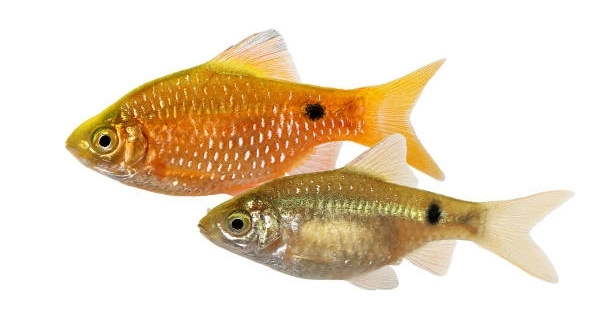
Are you interested in the behavior of Rosy Barbs, those colorful freshwater fish often seen in home aquariums? These lively fish might surprise you with their ability to learn and adapt to their surroundings in ways not commonly expected. Many fish owners appreciate their charm, but there is more beneath their bright scales.
Rosy Barbs demonstrate cognitive skills such as memory retention and problem-solving that suggest a higher level of intelligence than often assumed for small fish. Studies have shown they can recognize their caretakers and adjust behaviors based on experience, indicating learning capabilities.
Understanding the true nature of Rosy Barbs can enhance how they are cared for and observed, revealing fascinating insights into their daily lives and interactions.
Intelligence in Rosy Barbs: What Makes Them Stand Out
Rosy Barbs are more than just colorful aquarium decorations. They show clear signs of intelligence through their ability to remember and respond to their environment. For example, they can learn to recognize the person who feeds them and even anticipate feeding times. This ability to associate actions with outcomes is a sign of learning and memory. These fish also display problem-solving skills, such as navigating mazes or finding hidden food. Unlike many small fish, Rosy Barbs can adjust their behavior based on past experiences, which suggests a capacity for adaptation. Their social nature also contributes to their intelligence. In groups, they communicate through body movements and changes in color, coordinating their actions for safety or feeding. This social interaction supports their learning and helps them thrive in captivity. Understanding these traits can change how you view these fish, making them much more interesting companions.
Their intelligence allows Rosy Barbs to interact with their environment in meaningful ways, far beyond simple reflexes.
Observing Rosy Barbs carefully reveals subtle behaviors that suggest they think through situations. For example, they sometimes test their environment by tapping on objects or swimming in specific patterns. They also show curiosity, exploring new items placed in the tank rather than ignoring them. This kind of interaction points to a mental process involving recognition and evaluation. Some fish even develop preferences for certain tank mates, showing social choices that depend on past experiences. These insights can improve how we care for them, ensuring environments that stimulate their mental abilities and support healthy behaviors. Rosy Barbs prove that fish intelligence is more complex than many expect.
Training Rosy Barbs: How to Encourage Learning
Training Rosy Barbs is possible with simple, consistent techniques. They respond well to regular feeding schedules and can learn to follow finger movements or enter specific areas of the tank for treats.
Using small rewards, like food, encourages Rosy Barbs to repeat desired behaviors. Begin with short training sessions, keeping the fish’s attention without stressing them. Repetition and patience are key to success. Training helps stimulate their minds and reduces boredom, which can lead to better overall health. It also strengthens the bond between the fish and the caretaker. Simple tricks like swimming through hoops or targeting spots on the tank glass are achievable and fun to watch. This type of interaction shows the surprising intelligence of Rosy Barbs and offers a rewarding way to engage with them beyond basic care.
Recognizing Social Behavior in Rosy Barbs
Rosy Barbs are naturally social fish and thrive best in groups. Their interactions include chasing, swimming in synchronized patterns, and showing dominance without aggression.
These fish display complex social behaviors that help maintain group harmony. In a tank setting, they often establish a hierarchy that reduces conflict and encourages cooperation. Their playful chasing is usually a sign of social bonding rather than aggression. When kept alone, Rosy Barbs can become stressed or shy, which affects their health. Providing a small group allows them to express natural behaviors, making their intelligence more apparent. Watching how they communicate through movement and color changes reveals a subtle but important form of interaction.
Understanding their social needs is crucial for keeping Rosy Barbs healthy and mentally stimulated. Group living encourages natural learning and problem-solving within their social context, highlighting their adaptability and awareness.
Environmental Factors That Impact Their Behavior
Tank conditions significantly influence how Rosy Barbs behave and learn. A well-maintained environment with clean water and proper lighting promotes activity and curiosity.
Poor water quality or overcrowding can cause stress, reducing their ability to learn and interact. Rosy Barbs need space to swim freely and objects to explore, like plants or decorations. These enrichments mimic natural habitats and encourage exploration. Maintaining stable temperature and pH levels also supports their overall well-being. Stress-free fish are more responsive to training and social interaction. Paying attention to these environmental details ensures they stay active, engaged, and healthy, reinforcing their surprising intelligence and personality.
Feeding Habits Reflect Their Intelligence
Rosy Barbs are opportunistic feeders and quickly learn feeding routines. They can recognize feeding times and often gather near the surface in anticipation.
Their ability to adapt to different diets shows flexibility. Offering a mix of flakes, pellets, and live food supports their health and keeps them mentally active.
Signs of Stress and How It Affects Learning
Stress can dull Rosy Barbs’ responsiveness and reduce their learning ability. Common causes include poor water quality, lack of space, and aggressive tank mates.
Minimizing stress by maintaining a healthy environment and peaceful community supports their cognitive functions and encourages natural behaviors.
Interaction With Other Fish Species
Rosy Barbs generally get along well with other peaceful fish. They can share space without showing excessive aggression.
Introducing compatible species enhances social learning opportunities and keeps the environment dynamic, benefiting their mental stimulation.
The Role of Color Changes
Color changes in Rosy Barbs often indicate mood or health status. Bright colors usually signal comfort and well-being.
What makes Rosy Barbs smarter than other small fish?
Rosy Barbs show learning abilities that many small fish do not. They can recognize their caretakers and remember feeding times, which indicates memory and routine recognition. Unlike fish that react only to immediate stimuli, Rosy Barbs adapt behaviors based on experience. They can solve simple problems, such as navigating mazes or finding hidden food. Their social behaviors, like coordinated swimming and color changes, also suggest a level of communication and awareness. These traits combined show their intelligence is more advanced than commonly believed.
How can I tell if my Rosy Barbs are learning?
You might notice your Rosy Barbs responding to your presence during feeding time or following your finger near the tank glass. They can learn to associate certain movements or signals with food rewards. If they change their behavior when you approach, like swimming eagerly or gathering in a specific area, it means they remember and anticipate events. Training them with small rewards, like food, can help you see these learning behaviors clearly. Consistent responses show their ability to recognize patterns.
What kind of training works best for Rosy Barbs?
Short, frequent training sessions with clear signals work best. Use small food rewards and simple tasks, such as swimming through hoops or following a finger. Keep sessions brief to avoid stress and repeat the behavior several times. Patience is important because fish learn gradually. Training not only stimulates their intelligence but also builds trust between you and your fish. The key is consistency and positive reinforcement, helping them associate actions with rewards effectively.
Do Rosy Barbs get bored in a tank?
Yes, they can become bored without enough stimulation. A bare tank with no decorations or plants offers little to explore. Boredom can lead to stress or unhealthy behaviors. Providing a variety of tank decorations, plants, and hiding spots encourages exploration and activity. Changing the environment occasionally keeps their curiosity alive. Training and social interaction with other fish also reduce boredom by offering mental challenges and companionship.
How important is tank size for their intelligence?
Tank size matters because Rosy Barbs need space to swim and explore. Crowded or small tanks limit their movement and reduce opportunities for natural behavior. A spacious tank encourages active swimming, social interaction, and exploration—all important for their mental health. More room also helps reduce stress, which supports learning and cognitive function. For a group of Rosy Barbs, a tank of at least 20 gallons is recommended to keep them comfortable and mentally stimulated.
Can Rosy Barbs recognize individual humans?
Yes, they can learn to recognize their caretakers. Over time, they associate people with food and safety, responding differently to familiar versus unfamiliar visitors. This recognition is a sign of memory and learning. When you approach the tank, they may swim toward you or become more active, showing they remember your presence. This connection adds a rewarding aspect to keeping Rosy Barbs, as it shows their awareness and interaction with their environment.
Do Rosy Barbs communicate with each other?
Rosy Barbs communicate mainly through body language and color changes. They use swimming patterns, fin movements, and shifts in color to send messages within the group. These signals help establish social order, warn of danger, or coordinate group activities like feeding or schooling. While they don’t vocalize, their nonverbal communication is important for group harmony. Understanding these signs can help you better care for them and recognize their moods or needs.
What signs show a Rosy Barb is stressed?
Stress in Rosy Barbs can appear as faded colors, erratic swimming, hiding, or loss of appetite. They may also separate from the group or show aggression. Common causes include poor water quality, overcrowding, incompatible tank mates, or sudden changes in the environment. Stress weakens their immune system and reduces learning ability. Regular tank maintenance, proper stocking levels, and peaceful companions are essential to keep stress low and support their natural behaviors.
How can I create a stimulating environment for my Rosy Barbs?
Provide a tank with plants, rocks, and hiding places to encourage exploration. Change the layout occasionally to keep it interesting. Include live or frozen foods to add variety and challenge their feeding skills. Keep the water clean and stable to avoid stress. Social groups of at least six fish help stimulate natural social behavior. Training sessions and gentle interaction with caretakers also offer mental exercise. This combination promotes activity, curiosity, and better health.
Are there specific foods that help improve their cognitive function?
A varied diet rich in nutrients supports brain function in Rosy Barbs. High-quality flakes or pellets combined with live or frozen foods like brine shrimp, daphnia, or bloodworms offer protein and vitamins. These foods provide energy and nutrients important for growth and mental sharpness. Avoid overfeeding to prevent health issues. Feeding different types of food keeps their interest and supports natural foraging behavior, which also encourages mental engagement.
Rosy Barbs are often seen as just colorful additions to a home aquarium, but they show more intelligence than many expect. Their ability to learn, remember, and respond to their environment makes them interesting to observe and care for. These fish recognize their caretakers and can even anticipate feeding times, which means they have a sense of routine and memory. Their social behaviors, like swimming together and communicating through body language, add to their complexity. Understanding these traits can improve how we keep and interact with them, ensuring they live healthier and more engaging lives in captivity.
Taking care of Rosy Barbs means paying attention to their mental and physical needs. Providing a spacious tank with plenty of hiding spots and decorations encourages natural behaviors and exploration. They need a clean, stable environment and peaceful tank mates to reduce stress, which affects their ability to learn and interact. Feeding them a varied diet with quality food keeps them healthy and mentally sharp. Including training sessions or interactive activities can further stimulate their minds and strengthen the bond between fish and caretaker. When these needs are met, Rosy Barbs not only look beautiful but also display fascinating intelligence and personality.
Overall, recognizing the intelligence of Rosy Barbs changes how we see these small fish. They are capable of more than simple reactions; they learn, remember, and interact with their environment in meaningful ways. This knowledge helps us provide better care and enrich their lives. Observing their behaviors closely can be rewarding and can deepen the appreciation for their complexity. By supporting their mental and social needs, we help Rosy Barbs thrive and show the surprising intelligence that makes them more than just colorful tank residents.

Hello,
If you enjoy the content that we create, please consider saying a "Thank You!" by leaving a tip.
Every little bit helps us continue crafting quality advice that supports the health, happiness, and well-being of pets around the world, for pets of all shapes, sizes, and species.
We really appreciate the kindness and support that you show us!