
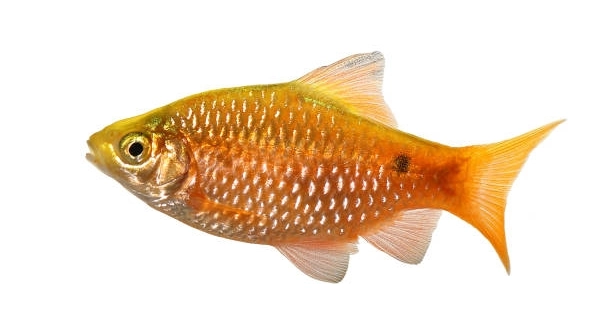
Rosy barbs are popular freshwater fish often kept in home aquariums. Many fishkeepers notice their grouping behavior and wonder if they are schooling or shoaling. Understanding these terms can improve how we care for these lively fish.
Rosy barbs are shoaling fish rather than schooling fish. They tend to swim together loosely without synchronized movement or alignment. Shoaling refers to social grouping for safety and interaction, while schooling requires coordinated, uniform swimming patterns.
Knowing the difference helps in setting up an aquarium that supports their natural behavior and well-being. The following details clarify what makes rosy barbs unique in their group dynamics.
Understanding Shoaling and Schooling
Shoaling and schooling describe how fish group together, but they differ in behavior and purpose. Shoaling fish gather for social reasons and safety but swim independently, without synchronized movements. Schooling fish swim in tight, coordinated groups, moving as one unit. Rosy barbs prefer to shoal, staying close but not perfectly aligned. This behavior helps them feel secure and interact with each other. Shoaling allows fish to communicate and share information about food or threats. It also reduces the risk of being targeted by predators. Knowing this difference is useful when arranging a tank to keep rosy barbs comfortable. Providing enough space for natural movement is important since schooling requires more precise swimming coordination. In a home aquarium, creating an environment that encourages shoaling rather than schooling will help rosy barbs thrive.
Shoaling behavior focuses on safety in numbers without strict formation, making it less demanding than schooling.
Aquarists should observe rosy barbs’ movements carefully. Unlike schooling fish, rosy barbs do not swim in perfect harmony but maintain a group for companionship and protection. Recognizing this helps in selecting compatible tank mates and choosing the right tank size. Shoaling fish like rosy barbs benefit from moderate currents and plenty of hiding spots. This setup mimics their natural habitat and encourages healthy social interaction. Avoid overcrowding, as it can cause stress and aggressive behavior. When cared for properly, rosy barbs display vibrant colors and active, natural behavior that makes them enjoyable to watch.
How to Support Rosy Barbs’ Natural Behavior
Providing a suitable environment is key to encouraging natural shoaling behavior in rosy barbs. They need enough space to swim freely without being forced into tight formations. A tank size of at least 30 gallons is recommended for a small group. Including plants and decorations creates hiding places that reduce stress and allow for peaceful socializing. Soft, moderate water flow simulates their natural environment and supports active swimming. Feeding a balanced diet ensures they stay healthy and energetic. Keeping them in groups of six or more supports their social nature and prevents loneliness. Proper tank maintenance and regular water changes improve overall health. By understanding their shoaling habits, aquarists can create conditions that allow rosy barbs to feel secure and display their best colors and behavior.
Differences Between Shoaling and Schooling
Shoaling involves fish grouping loosely for social reasons, while schooling is tight, synchronized swimming. Rosy barbs exhibit shoaling, not schooling behavior.
Shoaling fish like rosy barbs swim near each other but without strict coordination. They rely on the group for safety and social interaction but do not move as one unit. Schooling fish, in contrast, swim in perfect harmony, which helps confuse predators and improves efficiency when searching for food. This difference affects how aquarists should set up tanks. Shoaling fish need space to swim individually within a group, while schooling fish require conditions that promote uniform movement.
Understanding these behaviors helps in recognizing rosy barbs’ natural patterns. Their loose grouping makes them less demanding in terms of swimming space compared to schooling species. This allows for a more flexible aquarium setup and peaceful coexistence with other non-schooling fish.
Tank Setup for Rosy Barbs
A tank of at least 30 gallons is ideal for a small group of rosy barbs. They need space to swim freely and maintain their shoaling behavior.
Providing moderate water flow and plenty of plants or hiding spots mimics their natural environment and reduces stress. Avoid overcrowding, as rosy barbs can become aggressive when stressed. Choose tank mates that are peaceful and similarly sized to prevent bullying. Regular water changes and good filtration keep water quality high, which is essential for their health. Maintaining a stable temperature around 72-78°F helps keep them active and colorful. Proper tank setup encourages natural behavior and supports the well-being of rosy barbs, making them more enjoyable to watch.
Common Misunderstandings About Rosy Barbs
Many people confuse rosy barbs’ shoaling with schooling because they often swim close together. This can lead to incorrect care decisions.
Understanding that rosy barbs do not swim in synchronized patterns helps prevent tank setups that restrict their natural movement. It also reduces stress caused by forcing schooling behavior.
Behavior Changes in Different Environments
Rosy barbs may show varied social behavior depending on tank size and population. In small tanks, they may appear more clustered, but this does not mean they are schooling.
Larger tanks allow more natural shoaling patterns to emerge. When kept alone or in small numbers, rosy barbs may become shy or stressed. Providing at least six individuals encourages healthy social interaction and reduces aggression. Water conditions also influence behavior—clean, stable water supports active and confident swimming, while poor conditions cause lethargy or hiding. Watching their movement helps gauge tank comfort and group harmony.
Ideal Group Size
Keeping at least six rosy barbs promotes natural shoaling behavior and reduces stress.
How many rosy barbs should I keep together?
Rosy barbs are social fish and should be kept in groups of at least six. Smaller groups can cause stress, making them shy or aggressive. A group of six or more allows natural shoaling behavior to develop and keeps the fish active and comfortable in the tank.
Can rosy barbs school like other fish?
Rosy barbs do not school. They shoal, meaning they swim together loosely without coordinated movement. Schooling fish swim in tight, synchronized groups, which rosy barbs do not do. Understanding this helps in providing the right environment for their behavior.
What size tank is best for rosy barbs?
A minimum of 30 gallons is recommended for a small group of rosy barbs. They need space to swim freely and maintain their shoaling behavior. More space helps reduce stress and aggression and allows for a healthier social dynamic.
Do rosy barbs get along with other fish?
Rosy barbs usually get along with peaceful, similarly sized fish. Avoid keeping them with very small or slow-moving fish, as rosy barbs can sometimes be fin nippers. Choosing compatible tank mates helps maintain a peaceful environment.
What water conditions do rosy barbs prefer?
Rosy barbs thrive in water temperatures between 72 and 78°F with a pH level of 6.5 to 7.5. Clean, well-filtered water with regular changes keeps them healthy and active. Stable water conditions support their natural behavior and vibrant colors.
Why do rosy barbs sometimes nip fins?
Fin nipping can occur when rosy barbs are stressed or kept in small groups. Lack of space or incompatible tank mates may also cause this behavior. Keeping a proper group size and providing enough space usually reduces fin nipping.
How often should I feed rosy barbs?
Feeding rosy barbs once or twice a day with a balanced diet is best. Include high-quality flakes, pellets, and occasional live or frozen foods like brine shrimp or bloodworms. Avoid overfeeding to maintain water quality and fish health.
Do rosy barbs need hiding places in the tank?
Yes, plants and decorations provide hiding spots that help reduce stress and encourage natural behavior. Hiding places allow rosy barbs to feel secure and interact peacefully within their shoal.
How can I tell if my rosy barbs are healthy?
Healthy rosy barbs are active, swim confidently in groups, and display bright colors. Lethargy, faded colors, or hiding may indicate stress or illness. Regular water testing and observation help catch issues early.
Can rosy barbs live alone?
Rosy barbs do not thrive alone. They are social fish that need a group to feel secure and behave naturally. Keeping them singly often leads to stress and poor health.
What should I do if my rosy barbs fight?
Fighting may result from overcrowding, stress, or lack of hiding places. Increase tank size if needed, provide more plants or decorations, and ensure there are enough fish in the group. Removing aggressive individuals may also be necessary.
How long do rosy barbs live?
With proper care, rosy barbs typically live between 5 to 7 years. Good water quality, a balanced diet, and suitable tank conditions contribute to their longevity.
Is it necessary to maintain a specific water flow for rosy barbs?
Rosy barbs prefer moderate water flow, which mimics their natural habitat. Too strong a current can stress them, while stagnant water reduces activity. Adjust filtration and aeration to achieve gentle circulation.
Can rosy barbs breed in a home aquarium?
Yes, rosy barbs can breed in captivity if conditions are right. They scatter eggs among plants. Providing a separate breeding tank with fine-leaved plants and maintaining clean water improves chances of successful spawning.
What signs indicate rosy barbs are stressed?
Signs include hiding, reduced activity, loss of color, and fin damage. Stress can be caused by poor water quality, overcrowding, incompatible tank mates, or sudden changes in the environment.
How often should I clean the tank with rosy barbs?
Regular partial water changes of 20-25% weekly help maintain water quality. Clean the substrate and decorations as needed, but avoid disturbing the tank too much to reduce stress on the fish.
Rosy barbs are social fish that naturally form groups known as shoals. Unlike schooling fish that swim in tight, coordinated formations, rosy barbs prefer a looser group structure. This shoaling behavior helps them feel safe and interact comfortably with each other. Knowing this difference is important when setting up an aquarium to ensure their environment matches their natural habits. When kept in proper groups and given enough space, rosy barbs display vibrant colors and active movement that make them a lively addition to any tank.
Creating a suitable home for rosy barbs involves more than just providing a tank. They need enough room to swim freely and express their shoaling behavior naturally. A tank size of at least 30 gallons is ideal for a small group, allowing each fish space without crowding. Adding plants and decorations gives them places to hide and reduces stress. Water quality also plays a crucial role in their health and behavior. Maintaining stable water conditions with moderate flow helps keep rosy barbs comfortable and energetic. Feeding a balanced diet supports their coloration and overall well-being.
Observing rosy barbs in the tank reveals their social nature and how they interact with their group. They rely on the company of others to feel secure, so keeping fewer than six can lead to stress or aggression. Providing the right number of fish, suitable tank mates, and proper care encourages their natural behavior. This leads to a healthier, happier environment where rosy barbs can thrive. Understanding their shoaling behavior and needs helps aquarists provide the best possible home for these colorful fish.

Hello,
If you enjoy the content that we create, please consider saying a "Thank You!" by leaving a tip.
Every little bit helps us continue crafting quality advice that supports the health, happiness, and well-being of pets around the world, for pets of all shapes, sizes, and species.
We really appreciate the kindness and support that you show us!