
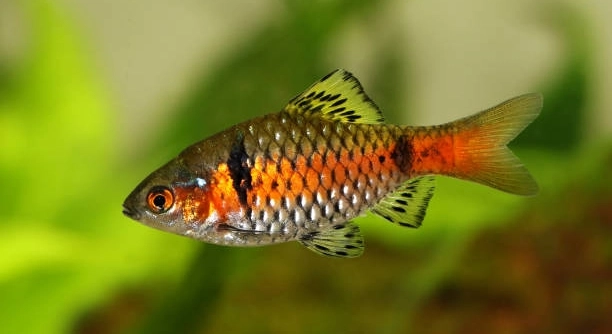
Have you ever found yourself observing your rosy barbs at night and wondering if they’re more active in the dark or the light? Understanding their daily behavior can help you care for them more effectively in your home aquarium.
Rosy barbs are diurnal, meaning they are most active during the day and rest at night. Their natural rhythm follows the light cycle, and they thrive best with consistent lighting and a predictable day-night schedule.
Knowing their active hours can help you set up a more suitable tank environment and feeding routine that supports their health and behavior.
Understanding the Daily Patterns of Rosy Barbs
Rosy barbs are naturally active during daylight hours. In the wild, they swim, feed, and interact when the sun is up. In home aquariums, they tend to follow the same routine, especially when the lighting is consistent. Most of their energy is spent swimming in groups, exploring their surroundings, and searching for food during the day. As the lights go off, their movement slows, and they rest quietly near the bottom or in plant cover. Providing them with a regular light cycle, usually 10 to 12 hours of light per day, helps keep their rhythm stable. Sudden changes in lighting or leaving the lights on too long can affect their stress levels and behavior. Keeping them in sync with a day-night cycle supports their well-being and helps you observe them at their liveliest, which can make tank maintenance and feeding easier to manage during waking hours.
Lighting is one of the easiest ways to support healthy activity in rosy barbs. Regular routines help them feel secure and comfortable.
If you often find your rosy barbs hiding or showing less activity during the day, it may be due to poor lighting conditions or an inconsistent schedule. Adjusting these factors can encourage natural daytime behavior.
Tips for Supporting Healthy Activity in Your Tank
Rosy barbs are schooling fish, so they rely on group behavior and social cues to stay active and calm during the day.
To keep them active and stress-free, it’s important to recreate some of the conditions they’re used to in nature. Start by maintaining a group of at least five rosy barbs, as this helps them feel safe. A well-lit tank with areas to swim and explore encourages daytime activity. Make sure there’s enough open space, along with some plants or decorations for shelter. Feeding should be done during the light period, ideally in the morning and again in the early evening. Avoid overfeeding, as leftover food can disturb water quality. If possible, use a timer for your tank lights to mimic a sunrise-to-sunset routine. This keeps their behavior consistent and gives them the rest they need at night. A stable environment with regular patterns helps rosy barbs stay lively, social, and easy to care for.
Common Signs of Daytime Activity
Rosy barbs are most active during daylight hours, often seen swimming in groups, exploring their environment, and chasing one another playfully. These behaviors are signs that your fish are comfortable, healthy, and following a natural activity cycle.
Active rosy barbs will swim around the tank, interact with their group, and respond quickly during feeding times. You might notice them darting across open spaces or gently nudging each other. These are normal, healthy signs. If they appear sluggish, hide often, or ignore food, it may mean something is off in their environment. Check your lighting schedule, tank temperature, and water quality to ensure nothing is disrupting their daily rhythm. Sometimes, sudden changes or poor conditions can make them behave differently. Watching how they move and respond during the day helps you catch small problems early and keep them thriving.
Rosy barbs rest at night, so seeing them calm or motionless during dark hours is expected. They often find a quiet place near plants or the bottom of the tank to rest. This nighttime behavior shows they are in sync with the day-night cycle. If they stay inactive during the day too, it’s worth checking for stress or environmental changes.
How Lighting Affects Behavior
Rosy barbs rely heavily on a steady light schedule to stay healthy and active. A predictable day and night cycle supports their natural rhythms and makes them feel safe. Sudden or inconsistent lighting can confuse them and lead to stress-related behavior.
Use a timer to ensure the lights turn on and off at the same time each day. Aim for 10 to 12 hours of light, followed by a darker period where the tank remains calm. If the lights stay on too long, rosy barbs may become overactive or stressed. On the other hand, too little light can make them sluggish and disoriented. Also, avoid placing the tank in areas with frequent shadows or bright, direct sunlight, which can disrupt the lighting balance. A stable lighting setup not only improves their behavior but also helps with feeding, social activity, and overall tank harmony.
Why Nighttime Matters for Rosy Barbs
Nighttime gives rosy barbs a chance to rest and recharge. Just like humans, they need a break from activity. Without proper rest, they can become stressed, which affects their behavior, health, and even their appetite during the day.
Keep the room and tank dark during night hours. Avoid sudden flashes of light or tapping on the glass, as it can disturb their rest. Giving them a quiet and calm environment helps them feel secure and keeps their daily routine balanced.
Signs Your Rosy Barbs Are Not Getting Enough Rest
If rosy barbs don’t get proper rest, you might notice signs like daytime hiding, dull colors, or sluggish swimming. They may eat less or avoid interacting with other fish. These behaviors often point to stress, usually caused by too much light or disruption at night. Check if the lighting schedule is consistent and if the tank is placed in a calm area. Reducing outside noise and turning off nearby lamps or screens can help too. Giving them true darkness during the night hours allows them to recover and stay healthy, both physically and behaviorally.
Creating a Balanced Environment
A balanced environment helps support natural behavior in rosy barbs. Light, tank mates, feeding times, and water quality all play a role in keeping them active during the day and restful at night.
FAQ
Do rosy barbs sleep at night?
Yes, rosy barbs rest at night. While fish don’t sleep in the same way humans do, they do enter a quiet, low-energy state during dark hours. You’ll often see them staying still near the bottom or among plants. They don’t close their eyes, but their movement slows down, and they become less responsive. This period of rest is important for their health and helps them stay active during the day. Make sure the tank is dark and peaceful at night to give them the rest they need.
Can I keep the aquarium light on 24/7?
No, keeping the aquarium light on all the time is not healthy for rosy barbs. They need a clear distinction between day and night to stay balanced. Constant light can stress them out and cause changes in behavior, such as hiding or becoming less active. It may also impact their eating habits and lead to weakened immune systems over time. Use a timer to keep the light on for about 10 to 12 hours each day, followed by complete darkness during the night.
How do I know if my rosy barbs are stressed?
Stressed rosy barbs may hide more than usual, stop eating, become pale, or dart around the tank nervously. Some may even nip at other fish or become unusually still. Stress is often caused by poor water quality, irregular lighting, overcrowding, or sudden changes in the tank environment. Observing their daily behavior is one of the best ways to catch early signs of stress. When you notice anything unusual, it’s a good idea to check the tank’s conditions and make slow, steady improvements.
What’s the best lighting setup for rosy barbs?
The best setup includes a full-spectrum aquarium light on a timer, set for 10 to 12 hours per day. This mimics a natural day-night cycle. Avoid placing the tank in direct sunlight or near windows, as this can lead to algae growth and sudden light changes. Also, keep the tank in a quiet place where the light schedule isn’t interrupted by room lights at night. Consistency is key—sudden changes can affect how your fish behave and feel. A regular lighting routine helps keep rosy barbs active, colorful, and healthy.
Do rosy barbs need complete darkness at night?
Yes, rosy barbs benefit from complete darkness during nighttime hours. While a small amount of ambient light in the room won’t hurt, it’s best to avoid strong lights nearby after the aquarium light goes off. A dark period gives them time to rest and reset. Constant low light or flickering light can cause confusion and stress. If your room has too much background light, consider using a tank cover or blackout curtain nearby to help create a darker space during their resting period.
Why are my rosy barbs less active during the day?
If your rosy barbs are less active during the day, they might not be getting enough rest at night, or the tank conditions may not be ideal. Double-check the lighting schedule and make sure the tank is quiet and dark at night. Also, check water quality and temperature. Another reason could be a lack of stimulation—rosy barbs like to explore and swim, so a bare tank or poor layout can cause boredom. Providing some plants, decorations, and open swimming areas can encourage more daytime activity.
How many hours should the tank lights be on?
For rosy barbs, keep the tank lights on for 10 to 12 hours each day. This amount of light supports their natural behavior, helps regulate their activity levels, and keeps the tank environment stable. A timer can help maintain a regular schedule without having to turn the light on and off manually. Inconsistent lighting can lead to stress or disrupt their rest. Avoid extending light hours too much, thinking it will keep them more active—rest is just as important as daylight for their overall health.
Can I watch my rosy barbs at night with a light?
It’s best to avoid turning on a bright light just to watch them at night. Doing so can disturb their resting state and stress them out. If you’re curious about their nighttime behavior, you could use a very dim, red LED light that doesn’t interfere much with their rest. Even then, use it only briefly. Rosy barbs rely on darkness to rest properly. Try to do most of your observing and interactions during the day, when they’re naturally more alert and active.
Final Thoughts
Rosy barbs are active, colorful fish that follow a clear day and night routine. They are diurnal, which means they stay active during the day and rest at night. This natural cycle helps them stay healthy and calm. Watching their behavior during daylight hours can be both enjoyable and helpful. It gives you a chance to check if they’re feeling well, eating properly, and swimming comfortably. When you provide the right lighting schedule, tank setup, and a peaceful night environment, you’re giving them what they need to live a balanced life in your aquarium.
Lighting plays a big part in their overall behavior. Keeping the lights on for 10 to 12 hours a day supports their daytime activity and gives them a clear signal when it’s time to rest. Sudden light changes, long light exposure, or no darkness at all can confuse and stress them. A simple plug-in timer can solve most of these issues and help create a steady routine. It’s also important to give them a calm, dark space during nighttime hours. Turning off nearby lamps or screens can make a difference, especially if the aquarium is in a busy room.
Caring for rosy barbs doesn’t have to be complicated. Paying attention to their daily rhythm is a good way to keep them healthy and active. If they start acting differently—hiding too much, swimming less, or showing dull colors—it could be a sign that their routine has been disrupted. Making small changes, like adjusting the light schedule or checking water conditions, can often solve the problem. By understanding their natural behavior and creating a stable environment, you’ll help your rosy barbs feel secure and happy. In return, you’ll enjoy watching them thrive in their tank, full of life and color.

Hello,
If you enjoy the content that we create, please consider saying a "Thank You!" by leaving a tip.
Every little bit helps us continue crafting quality advice that supports the health, happiness, and well-being of pets around the world, for pets of all shapes, sizes, and species.
We really appreciate the kindness and support that you show us!