
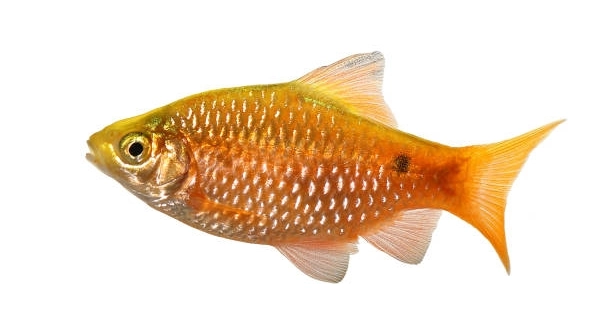
Rosy Barbs are popular freshwater fish loved for their bright colors and lively behavior. Many aquarium owners wonder whether these fish thrive better in warm or cool water tanks. Understanding their temperature preferences can help keep them healthy.
Rosy Barbs generally prefer warmer tanks with temperatures between 74°F and 79°F (23°C to 26°C). Warmer water supports their metabolism, activity, and coloration better than cooler environments, which can slow their growth and reduce their overall health.
Knowing the best temperature range for Rosy Barbs helps ensure they live a longer, happier life in your aquarium. This article will explain how tank temperature affects their well-being and how to create the ideal home for them.
Temperature Preferences of Rosy Barbs
Rosy Barbs thrive best in moderately warm water. They feel comfortable in temperatures ranging from 74°F to 79°F (23°C to 26°C). When the water is too cold, their activity slows, and their immune system weakens. This can make them more prone to diseases. On the other hand, water that is too warm can lower oxygen levels and stress the fish. Keeping the temperature steady within the ideal range helps maintain their bright colors and lively behavior. It also encourages healthy growth and breeding. Proper tank temperature is essential for their overall health, so investing in a reliable heater and thermometer is a good idea. Regular monitoring prevents sudden changes that can shock the fish. In cool tanks, Rosy Barbs may become lethargic and lose their appetite, while warm tanks encourage more natural swimming patterns and social interactions.
Maintaining a steady temperature within the preferred range promotes the best health for Rosy Barbs.
Proper temperature control is key to preventing stress and ensuring your Rosy Barbs stay active and colorful in your aquarium.
Effects of Temperature Changes on Rosy Barbs
Sudden shifts in water temperature can cause significant stress to Rosy Barbs. When the temperature fluctuates quickly, their bodies struggle to adjust, weakening their immune system. This can lead to infections or other health problems. Rosy Barbs are sensitive to temperature swings, so it’s important to avoid placing their tank near windows or vents where air temperature varies. Gradual changes are less harmful and allow the fish to adapt. If you need to adjust the temperature, do it slowly over several hours or days. Stress caused by temperature changes can result in loss of color, reduced activity, and poor appetite. Keeping the tank environment stable reduces these risks and creates a better habitat for the fish. Using equipment like a heater with a thermostat and monitoring regularly ensures a consistent environment.
By avoiding sudden temperature changes, you help your Rosy Barbs stay healthy and vibrant for longer periods.
Warm vs. Cool Tanks for Rosy Barbs
Warm tanks help Rosy Barbs stay active and show their best colors. Cooler tanks slow their movement and dull their appearance. Choosing the right temperature makes a big difference in their health.
Warm water speeds up their metabolism, encouraging regular swimming and feeding habits. Rosy Barbs in warmer tanks tend to be more social and interact more with other fish. The vibrant red and orange hues of Rosy Barbs also become more pronounced in warmer conditions. However, warm tanks need good aeration since oxygen levels drop as temperature rises. It’s important to balance warmth with proper water quality to keep your fish happy.
Cool tanks can reduce stress for some fish species, but Rosy Barbs are less comfortable there. They become less active, which can affect their appetite and growth. The colors may fade over time, making them look dull. In cooler water, their immune system weakens, making them more vulnerable to illness. For these reasons, maintaining a moderately warm environment is generally better.
Maintaining Ideal Tank Conditions
Stable temperature isn’t the only factor for healthy Rosy Barbs. Clean water, proper filtration, and regular water changes are essential. Without these, even the best temperature settings won’t keep your fish well.
Filtration helps remove waste and harmful chemicals that can build up quickly. Weekly water changes of about 20-25% keep the environment fresh. Testing the water regularly for ammonia, nitrites, and nitrates ensures safe levels. Rosy Barbs prefer slightly alkaline water with a pH between 6.5 and 7.5, and a hardness level between 5-19 dGH. Also, provide hiding spots like plants or decorations to reduce stress. Combining these tank care habits with the right temperature creates the best conditions for your Rosy Barbs to thrive.
Monitoring Water Temperature
Use a reliable aquarium thermometer to keep track of the tank’s temperature daily. Regular checks help prevent sudden shifts that can stress Rosy Barbs.
Adjust the heater as needed to keep the water steady within the ideal range. Small changes can have big effects on fish health.
Signs Rosy Barbs Are Uncomfortable
When Rosy Barbs are in the wrong temperature, they may show signs like sluggish swimming or hiding more than usual. Loss of color and reduced appetite are common signs of discomfort. Watching for these clues helps catch problems early before serious health issues develop.
Temperature and Breeding Success
Warm water encourages Rosy Barbs to breed more readily. Cooler temperatures tend to slow down or stop breeding behavior altogether.
FAQ
What is the ideal temperature range for Rosy Barbs?
The best temperature for Rosy Barbs is between 74°F and 79°F (23°C to 26°C). This range supports their activity level, color brightness, and overall health. Temperatures outside this range can cause stress and reduce their lifespan.
Can Rosy Barbs live in cooler tanks?
Rosy Barbs can survive in cooler tanks, but it’s not ideal. Cooler water slows their metabolism, making them less active and dulling their colors. Over time, this can weaken their immune system, making them more prone to disease.
How quickly should I change the tank temperature?
Temperature changes should be gradual. Sudden shifts can shock Rosy Barbs and cause health problems. Aim to adjust the temperature slowly over several hours or even days. Using a heater with a thermostat helps maintain steady conditions.
Do Rosy Barbs need a heater year-round?
It depends on your local climate. In places where room temperature drops below their preferred range, a heater is necessary. If your environment stays warm and stable, you might not need one. However, a heater ensures consistent temperature, which is safer.
What happens if the water is too warm?
Water that is too warm reduces oxygen levels and can stress Rosy Barbs. This stress lowers their resistance to disease and may shorten their lifespan. It’s important to keep temperature within the recommended range and provide good aeration.
Are Rosy Barbs sensitive to temperature swings?
Yes, they are sensitive. Sudden temperature swings can cause stress, which often leads to health issues. Avoid placing the tank near windows, doors, or vents where temperature changes frequently occur.
How do I check if my Rosy Barbs are comfortable?
Watch their behavior and appearance. Healthy Rosy Barbs swim actively, show bright colors, and eat regularly. Signs of discomfort include sluggishness, hiding, faded colors, and loss of appetite.
Can temperature affect Rosy Barb breeding?
Yes, warmer temperatures encourage breeding. Rosy Barbs tend to spawn more in tanks that stay between 74°F and 79°F. Cooler water slows their breeding activity or may stop it altogether.
Is water quality as important as temperature?
Absolutely. Good water quality supports healthy fish just as much as the right temperature. Regular water changes, filtration, and testing are necessary to keep your tank safe and comfortable.
How often should I test my tank water?
Testing once a week is recommended. Check for ammonia, nitrites, nitrates, pH, and hardness levels. Keeping these in safe ranges prevents stress and illness in Rosy Barbs.
What pH level do Rosy Barbs prefer?
They prefer slightly alkaline water, with a pH between 6.5 and 7.5. Keeping the pH stable helps prevent stress and promotes good health.
Can I keep Rosy Barbs with other fish in warm tanks?
Yes, Rosy Barbs are generally peaceful and can share a warm tank with other compatible species. Just make sure tank mates have similar temperature and water condition needs.
What should I do if my Rosy Barbs show signs of temperature stress?
First, check the water temperature and adjust it slowly to the ideal range. Improve aeration and water quality to reduce stress. Monitor the fish closely for changes, and consider consulting a specialist if problems persist.
When keeping Rosy Barbs, temperature plays an important role in their overall health and happiness. These fish do best in water that stays between 74°F and 79°F (23°C to 26°C). Maintaining this range helps them stay active, show bright colors, and avoid stress. If the water is too cold, they may become sluggish and lose their vibrant appearance. On the other hand, water that is too warm can lower oxygen levels and cause discomfort. Finding the right balance with temperature is key to giving your Rosy Barbs a good home.
Along with temperature, other tank conditions are just as important. Clean water, good filtration, and regular water changes help keep the environment safe. Testing the water for things like pH and ammonia ensures it stays within healthy limits. Rosy Barbs prefer slightly alkaline water, with a pH between 6.5 and 7.5. Providing plants or decorations can also help them feel secure and reduce stress. By taking care of all these factors together, you create the best place for your fish to grow and thrive.
Paying attention to your Rosy Barbs’ behavior is a helpful way to know if their tank conditions are right. Healthy fish swim actively, eat well, and display bright colors. If you notice them hiding, moving slowly, or losing color, it may be a sign that the temperature or water quality is not ideal. Making slow adjustments to the tank temperature and keeping the water clean can improve their health. With patience and care, you can enjoy watching your Rosy Barbs live a full and happy life in your aquarium.

Hello,
If you enjoy the content that we create, please consider saying a "Thank You!" by leaving a tip.
Every little bit helps us continue crafting quality advice that supports the health, happiness, and well-being of pets around the world, for pets of all shapes, sizes, and species.
We really appreciate the kindness and support that you show us!