
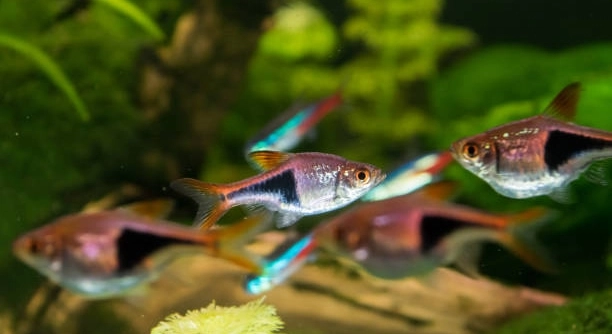
Are your rasboras always swimming together, or do they sometimes act alone in the tank? Many fish owners notice their small, shimmering friends seem happiest in groups. Observing their behavior can reveal surprising insights about their social habits.
Rasboras are naturally social fish and tend to interact even outside of schooling. They exhibit signs of companionship through gentle following, synchronized movements, and occasional playful nudges, indicating that their social instincts persist regardless of group size or immediate company.
Watching how your rasboras behave alone can reveal more than expected. Understanding these patterns helps ensure their well-being and creates a more engaging aquarium environment.
Understanding Rasboras’ Natural Behavior
Rasboras are small fish with delicate features and bright colors, yet they have strong social instincts. In their natural habitat, they often swim in loose groups, using the company of others for safety and guidance. Even outside a school, they may follow tank mates, inspect objects, or hover near areas of interest. Watching them interact can be surprisingly engaging, as their subtle gestures reveal a lot about their comfort level. Some rasboras might explore alone for short periods but tend to return to their companions quickly. The presence of other fish helps reduce stress and encourages natural swimming patterns. Tank setup, water conditions, and feeding routines can influence how social they appear. Over time, patterns emerge showing which individuals are more independent and which rely heavily on group interactions. Observing these differences gives insight into their personalities and helps tailor care for each fish. Overall, rasboras maintain a balance between independence and companionship even in controlled environments.
Even a single rasbora shows social behaviors through movement, following, and interaction with objects around them.
Watching rasboras closely, you start to notice subtle signs of their social nature. Their glances, small nudges, and synchronized swimming moments become more obvious when the tank has hiding spots and decorations. Even isolated fish demonstrate curiosity about nearby companions or reflections, hinting at innate social instincts. Maintaining a varied environment with plants and gentle currents encourages these interactions. Feeding time is another moment where their social tendencies shine, as they may gather or chase food in groups. Observing alone fish return to areas frequented by others shows their comfort in familiar social patterns. Over time, these small behaviors reveal the balance between independence and community, demonstrating that even outside a full school, rasboras engage socially in meaningful ways.
Tank Conditions That Influence Social Interaction
Water quality, temperature, and tank size all affect rasboras’ behavior and comfort. Poor conditions can make them shy, hiding in corners, while ideal conditions encourage natural swimming and interaction.
Rasboras need stable water parameters and sufficient space to swim comfortably. Tanks with 20 gallons or more allow more natural movement. Plants, rocks, and gentle currents also provide security and stimulation, giving them areas to explore and places to return to after brief solo swims. In smaller or overcrowded tanks, stress can reduce their social tendencies, making them less likely to engage with others. Filtration, regular water changes, and a consistent feeding schedule help maintain a healthy environment, supporting their social instincts. Observing their behavior over time under these conditions makes it clear how strongly environmental factors influence interaction levels. By carefully arranging the tank and monitoring water quality, owners can encourage both schooling behavior and individual exploration. Rasboras thrive when their surroundings feel safe, allowing them to display curiosity and companionship naturally. Healthy tank conditions not only benefit physical health but also foster more visible, engaging social behavior, highlighting the importance of mindful aquarium management.
Social Cues Outside Schooling
Even alone, rasboras show subtle signals like fin flicks, hovering, or gentle nudges toward nearby objects. These behaviors indicate awareness of their surroundings and the presence of other fish, even when no group is immediately nearby.
Rasboras use body language to communicate comfort or alertness. Small movements, such as darting slightly or aligning with tank decorations, reflect natural social instincts. They often glance toward reflections or shadows, signaling attention and mild interaction tendencies. Even without a full school, these fish demonstrate recognition of their environment and possible companions. Observing these gestures helps understand their mood, stress levels, and general well-being. A solitary fish may still appear attentive and responsive, proving that social instincts remain strong even in isolation.
Feeding times highlight social behavior further. Alone, a rasbora may approach slowly, then retreat, showing cautious interaction patterns. They respond to movement and presence of food, indicating awareness of surroundings and mimicking group responses. Even without direct companionship, their natural tendencies for interaction are evident. Tank setup, reflections, and occasional visual contact with other fish reinforce these behaviors, allowing rasboras to express social instincts consistently. Watching these patterns gives insight into their personality and comfort levels, showing that social interaction extends beyond traditional schooling contexts.
Encouraging Social Behavior
Providing hiding spots, plants, and open swimming areas supports both solo and group behavior. These elements make fish feel secure while exploring their surroundings.
Environmental enrichment directly affects how social rasboras behave. Plants and ornaments give them reference points for movement and small territories, encouraging brief solo exploration while maintaining a connection to their companions. Fish may hover near leaves, peek around rocks, or follow currents, showing curiosity and interaction. Gentle water flow and consistent lighting reinforce normal swimming patterns, helping them display social cues confidently. Even when alone, the combination of structure and visual stimulation encourages active engagement, reduces stress, and allows natural instincts to flourish. Well-arranged tanks make a clear difference in how they socialize.
Rasboras are sensitive to subtle changes in their environment. Adjustments like repositioning decorations or adding floating plants can shift their activity and social interactions noticeably. When these fish feel secure, even temporarily alone, they maintain signs of social behavior through movement and observation. Over time, they learn the layout, which helps them anticipate companions’ presence and respond with familiar behaviors. These adjustments show that their social instincts are deeply tied to comfort and safety. By thoughtfully structuring the tank, it is possible to encourage natural behaviors, reduce stress, and create opportunities for visible interaction without forcing schooling situations.
Observing Solo Behavior
Rasboras often remain active even when alone, exploring corners and inspecting decorations. Their movements show curiosity and awareness, reflecting social instincts even without immediate companions nearby.
Even in isolation, rasboras may follow reflections or subtle movements in the tank. These behaviors indicate they remain attentive to their environment, maintaining natural responsiveness that supports social interaction when other fish are present.
Influence of Tank Mates
The presence of other species can shape rasboras’ behavior. Calm, non-aggressive tank mates allow them to swim confidently, while more active or territorial fish may cause caution or retreat. Understanding interactions with neighbors helps maintain a balanced, stress-free environment, ensuring their social instincts are expressed safely.
Feeding and Social Patterns
Rasboras often display coordinated feeding responses. Even a single fish shows alertness to food delivery and anticipates movements of companions, demonstrating innate social tendencies.
FAQ
Are rasboras happy when kept alone?
Rasboras are naturally social fish, so they generally prefer the company of others. A single rasbora may still explore, eat, and swim actively, but it may show signs of stress, such as hiding more often or becoming less active. Providing visual stimulation, plants, and decorations can help reduce stress, but keeping at least a small group is ideal. Even when alone, they retain some social instincts, responding to reflections or subtle movements in the tank, but long-term happiness improves significantly with companions.
Can a lone rasbora learn to socialize later?
Yes, a rasbora kept alone can adapt to new companions over time. Introducing them gradually in a spacious, well-planted tank helps reduce stress and encourages natural interactions. Observing body language, such as fin flicks, following, or synchronized swimming, is important to ensure acceptance. The presence of calm, non-aggressive companions makes integration smoother. Solo-raised fish may initially be cautious, but most adjust and display social behaviors similar to those raised in groups.
Do tank conditions affect their social behavior?
Absolutely. Water quality, temperature, tank size, and decoration placement all impact how rasboras behave socially. Clear water, stable temperature, and plenty of space encourage exploration and interaction. Plants, rocks, and gentle currents provide both hiding spots and reference points, making fish feel secure. Stressful conditions like overcrowding, poor filtration, or sudden changes can make even naturally social fish shy, reduce activity, and limit interaction. Maintaining consistent feeding schedules and gentle water flow enhances their comfort and encourages normal schooling and social behaviors.
How can I encourage social behavior in my rasboras?
Providing a spacious tank with plants, rocks, and open swimming areas encourages interaction. Regular feeding routines, gentle water currents, and stable lighting reinforce natural behaviors. Observing subtle signals like following movements, hovering near companions, or inspecting reflections shows that social instincts are active. Encouraging exploration while keeping them safe helps balance independence with group dynamics. Even small environmental improvements, like adding floating plants or rearranging ornaments, can stimulate social activity and reduce stress.
Is it okay to mix rasboras with other fish?
Yes, but choosing compatible species is important. Calm, non-aggressive tank mates allow rasboras to swim freely without feeling threatened. Avoiding large or territorial fish prevents stress and aggression. Monitoring interactions is key, especially when introducing new species. When the environment is secure, mixed tanks can provide visual stimulation and enrich behavior, helping rasboras express social tendencies even outside their own group.
Do rasboras show affection or recognition?
Rasboras demonstrate awareness and mild attachment through behaviors like following, swimming close, or synchronized movements. They notice reflections, shadows, and subtle changes in their environment, which can mimic companionship. While they do not show affection like mammals, their social instincts are strong, and they respond to familiar tank mates or routines with observable behaviors.
Can isolated rasboras live long, healthy lives?
Yes, isolated rasboras can survive if tank conditions are optimal, but their quality of life improves with companions. Stress from isolation may affect appetite, activity, and immunity. Proper tank setup, frequent observation, and environmental enrichment can support their health, but group housing better supports their natural behaviors and overall well-being.
How do I know if my rasboras are stressed?
Signs of stress include hiding excessively, erratic swimming, loss of appetite, or faded coloration. Stress can result from poor water conditions, overcrowding, aggressive tank mates, or lack of environmental enrichment. Observing behavior daily and maintaining a stable, well-decorated tank helps minimize stress and supports natural social instincts.
Can rasboras adapt to different social situations?
Rasboras are flexible and can adapt to changes like varying group sizes or new tank mates. Gradual introductions, stable conditions, and ample space help them adjust. While individual personalities affect adaptation speed, most rasboras eventually display social behaviors even after temporary isolation.
What are common mistakes that reduce social behavior?
Common mistakes include overcrowding, poor water quality, sudden tank changes, aggressive tank mates, and lack of environmental enrichment. Ignoring subtle signs of stress or not providing hiding spots can make rasboras shy and less interactive. Proper care, gradual introductions, and consistent routines maintain their natural social tendencies and overall health.
This FAQ section provides practical guidance for keeping rasboras healthy, socially active, and comfortable, whether alone or in groups.
Rasboras are small, delicate fish, but they carry strong social instincts that are visible even outside traditional schooling. Observing them alone can be surprisingly informative, as their subtle behaviors show that social tendencies remain present without immediate companions. A lone rasbora may explore the tank slowly, hover near plants, or follow reflections, demonstrating awareness and curiosity. These actions suggest that even when separated from a group, rasboras maintain behaviors that help them stay alert and connected to their surroundings. Tank layout, decorations, and hiding spots play an important role in shaping these behaviors, giving fish the confidence to interact with their environment safely. Over time, owners can notice patterns, such as which individuals are more independent and which consistently seek comfort near familiar areas, reflecting natural personality differences. Understanding these nuances allows for better care and a more engaging observation of their habits.
Proper tank conditions are essential for encouraging both solo and social behavior in rasboras. Water quality, temperature, and space affect how comfortable they feel and how freely they move around. A well-maintained tank reduces stress and encourages natural instincts, like synchronized swimming or gentle following of companions, even if those companions are only reflections or brief visual contacts. Plants, rocks, and other decorations provide security and reference points, helping fish navigate the environment while expressing curiosity. Feeding routines and gentle water flow also support healthy behavior, giving rasboras consistent cues that make them feel safe and confident. Even without other fish present, these environmental elements allow rasboras to display social behaviors naturally. Observing their interactions with tank features, food, or reflections can be just as informative as watching them in a full school, highlighting how adaptable and sensitive they are to surroundings.
Rasboras are resilient and flexible fish that can adapt to a variety of social situations. While they generally thrive in groups, solitary fish can remain active and healthy when the tank is set up thoughtfully. Gradual introductions of companions or compatible tank mates can help previously isolated fish adjust smoothly, demonstrating their capacity to adapt while maintaining social instincts. Paying attention to subtle cues—like swimming patterns, body movements, or reactions to new objects—offers insight into their comfort level and personality. By providing stable conditions, enriching the environment, and observing behavior carefully, owners can support both the physical health and social needs of rasboras. This awareness allows for a more rewarding aquarium experience, whether fish are kept in a school or temporarily alone, ensuring that their natural behaviors are respected and encouraged consistently.

Hello,
If you enjoy the content that we create, please consider saying a "Thank You!" by leaving a tip.
Every little bit helps us continue crafting quality advice that supports the health, happiness, and well-being of pets around the world, for pets of all shapes, sizes, and species.
We really appreciate the kindness and support that you show us!