
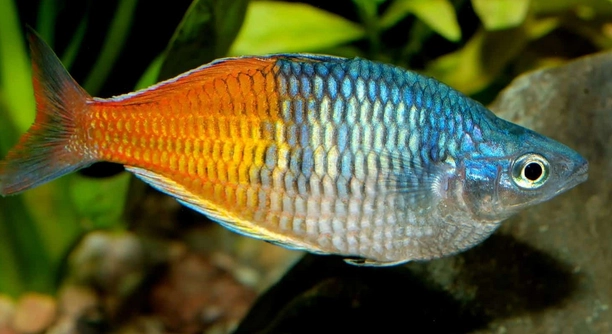
Rainbow fish are popular in aquariums due to their vibrant colors and active nature. Many people wonder if they get along with other species in their tank. Understanding their social behavior can help ensure a peaceful aquarium.
Rainbow fish are generally peaceful and social creatures. They can coexist with various species, as long as the tankmates are non-aggressive and share similar water conditions. They prefer environments with enough space and hiding spots.
Knowing how rainbow fish interact with different species can help you create a harmonious tank environment. Understanding their behavior ensures all your aquatic pets thrive together in peace and balance.
Understanding Rainbow Fish Behavior
Rainbow fish are known for their lively and colorful personalities. In the wild, they tend to swim in schools, and they thrive in environments where they feel secure and social. In an aquarium, they display similar behavior, showing a preference for being around others of their kind. However, their social nature doesn’t mean they will necessarily get along with every species. The success of a community tank often depends on choosing the right tankmates that match their temperament and water requirements.
For a peaceful tank, it’s crucial to keep rainbow fish with other peaceful species. Aggressive fish can stress them out and lead to territorial issues. As they prefer moderate to fast-moving water, they should be paired with fish that enjoy similar conditions.
If you’re planning to add rainbow fish to an existing tank, it’s important to consider their social needs. They feel most comfortable when there are multiple individuals of their species, as this replicates their natural schooling behavior. However, they do best with other non-aggressive fish that can handle similar water parameters. By choosing the right companions, you can help your rainbow fish flourish without any conflicts.
Choosing the Right Tankmates
Selecting tankmates for rainbow fish is a matter of matching temperaments. They are peaceful creatures, so it’s best to avoid any fish that are overly territorial or aggressive.
Rainbow fish do well with other species that are also calm and prefer similar water conditions. They thrive in tanks with a balanced environment that includes plenty of swimming space and hiding spots.
Water Conditions for Rainbow Fish
Rainbow fish thrive in stable water conditions. They prefer slightly alkaline water with a temperature range of 72°F to 79°F (22°C to 26°C). pH levels between 7.0 and 8.0 are ideal. It’s crucial to maintain these conditions for their health and comfort.
If the water is too warm or too cold, it can cause stress, which affects their behavior and immune system. Inconsistent pH can also lead to health problems. A stable water environment will not only make rainbow fish feel more secure but also improve their social interactions with other species. Regular water testing and consistent maintenance are key.
Proper filtration is also important for keeping the water clean and oxygenated. Rainbow fish appreciate well-oxygenated environments, which help them stay active and social. A gentle filter is ideal to avoid creating too much current, as they prefer calm water. Consistent care ensures that your rainbow fish and tankmates can thrive together in a peaceful and healthy aquarium setting.
Tank Size and Space
Rainbow fish are active swimmers, so a larger tank with ample space is crucial. A tank of at least 30 gallons is recommended to ensure they have enough room to move freely.
A larger tank reduces territorial behavior and allows fish to establish their own space, reducing stress. Rainbow fish need to swim in schools, so having enough room for several individuals is important for their well-being. Additionally, keeping the tank spacious minimizes the chances of overcrowding, which can lead to aggression and reduced water quality. Proper spacing also allows all the fish to access their necessary resources without competition.
Rainbow Fish Diet
Rainbow fish are omnivores, so they need a balanced diet of both plant-based and protein-rich foods. Offering them a variety of high-quality flakes, pellets, and frozen foods will help meet their nutritional needs.
A diet that includes live or frozen foods like brine shrimp and daphnia can enhance their colors and health. They also benefit from vegetables such as blanched spinach or zucchini. A well-rounded diet supports their energy levels and social behavior, allowing them to interact peacefully with other species. Overfeeding should be avoided, as it can lead to water quality issues.
A varied diet ensures that your rainbow fish are not only healthy but also able to thrive in a community tank without becoming territorial. Regular feeding with a mix of different foods helps maintain their activity levels and vibrant appearance, making them great tankmates for other peaceful species.
Compatible Tankmates
Rainbow fish get along best with other peaceful species like tetras, rasboras, and guppies. Avoid aggressive or large fish that might intimidate or harm them.
Choosing fish that share similar water and social preferences ensures a more harmonious tank. These peaceful tankmates allow rainbow fish to thrive without fear of aggression, contributing to a calmer, balanced aquarium environment.
FAQ
Are rainbow fish suitable for beginners?
Rainbow fish are generally good for beginners, as long as you maintain proper water conditions and select peaceful tankmates. They are hardy, adaptable, and relatively easy to care for compared to some other species. However, it’s important to remember that they do best in larger tanks, with stable water quality and space to swim. Beginners should also be mindful of their diet and ensure they are fed a balanced mix of foods.
How many rainbow fish should I keep together?
Rainbow fish are social animals that thrive in groups. It’s recommended to keep at least six rainbow fish together. This helps them feel secure and exhibit their natural schooling behavior. A larger group can create a more harmonious environment, reducing stress and preventing territorial issues. Smaller groups might result in shy or stressed fish that hide more often.
Can rainbow fish live with goldfish?
Rainbow fish should not be kept with goldfish. Goldfish prefer cooler water temperatures, while rainbow fish thrive in warmer water. Additionally, goldfish are slower swimmers and can be quite messy, which may negatively impact the water quality for rainbow fish. It’s best to pair rainbow fish with species that have similar temperature and water quality preferences.
Do rainbow fish need a filter?
Yes, rainbow fish need a filter in their tank. A proper filter ensures clean, well-oxygenated water, which is essential for their health. While rainbow fish prefer gentle currents, a good filter will maintain water quality and prevent harmful buildups of waste. Be sure to choose a filter that’s suited for the size of your tank.
Can rainbow fish live in brackish water?
Rainbow fish can live in slightly brackish water, but they generally prefer freshwater. Some species of rainbow fish, like the Fiji rainbow fish, are more tolerant of brackish water, but most species do better in fresh water. If you want to add salt to the water, use it sparingly and ensure it is suitable for the specific rainbow fish species you have.
Are rainbow fish aggressive?
Rainbow fish are generally peaceful and not aggressive. They are best kept with other non-aggressive species that enjoy similar water conditions. However, like all fish, they can show aggression if they feel threatened or are kept in overcrowded tanks. Having enough space and hiding spots helps prevent any territorial behavior.
What size tank do rainbow fish need?
Rainbow fish need a tank of at least 30 gallons. They are active swimmers and need enough space to move around freely. A larger tank not only gives them room to swim but also helps maintain better water quality. A small tank can lead to stress and territorial disputes, especially if kept with other fish.
Can rainbow fish live with bettas?
Rainbow fish can live with bettas in certain situations, but caution is needed. Bettas are territorial and aggressive, particularly males. If you choose to keep them together, ensure the tank is large enough, with plenty of hiding spots, and avoid housing overly aggressive bettas with the rainbow fish. Keep in mind that a peaceful betta may coexist with rainbow fish, but it depends on individual temperaments.
How often should I feed my rainbow fish?
Rainbow fish should be fed two to three times a day. Offer small portions to prevent overfeeding, which can lead to water quality problems. A varied diet, including high-quality flakes, pellets, and occasional live or frozen foods, will help keep them healthy and vibrant. Remove any uneaten food after a few minutes to prevent water contamination.
Can rainbow fish live with shrimp?
Rainbow fish can generally live with shrimp, but it depends on the species. Smaller shrimp may be at risk of being eaten by the fish, especially if they are not fully grown. Larger shrimp, such as Amano shrimp, are often safe to keep with rainbow fish, as they are big enough to avoid being preyed upon. Providing plenty of hiding spots for the shrimp will help them feel secure.
Do rainbow fish need live plants?
While rainbow fish don’t necessarily need live plants, they do benefit from having some in their tank. Plants offer hiding spots, help with water quality, and contribute to a more natural environment. Live plants also provide oxygen, which is important for the health of both your rainbow fish and other tankmates. Just make sure the plants are hardy enough for their active swimming.
Can rainbow fish live with cichlids?
Rainbow fish should generally not be kept with cichlids, especially larger or more aggressive species. Cichlids tend to be territorial and can become aggressive toward smaller or peaceful fish like rainbow fish. If you decide to try keeping them together, choose non-aggressive cichlid species and provide a spacious tank with plenty of hiding spots to reduce the risk of conflict.
Are rainbow fish active swimmers?
Yes, rainbow fish are very active swimmers. They are known for their constant movement and love for swimming in schools. They thrive in tanks with plenty of space to swim around. This active behavior makes them great additions to larger aquariums, where they can interact with other peaceful species in a dynamic environment.
Do rainbow fish need a heater?
Rainbow fish need a heater to maintain their ideal water temperature range of 72°F to 79°F (22°C to 26°C). They are tropical fish and will not do well in cooler water. Using a reliable aquarium heater helps maintain the necessary warmth, which is crucial for their health and activity levels.
What’s the lifespan of a rainbow fish?
Rainbow fish can live for around 5 to 8 years in a well-maintained aquarium. Their lifespan can be affected by factors like water quality, diet, and tank conditions. Providing stable and healthy living conditions will help ensure they reach their full lifespan while remaining active and vibrant throughout their lives.
Final Thoughts
Rainbow fish are peaceful and social creatures that can thrive in a community tank, as long as their needs are met. They are relatively easy to care for, making them a good choice for beginners. However, they do require stable water conditions, a balanced diet, and space to swim freely. Choosing the right tankmates is essential to creating a peaceful environment. With their colorful appearance and active behavior, rainbow fish can add beauty and energy to any aquarium.
When setting up a tank for rainbow fish, it’s important to ensure the water temperature, pH, and hardness are within the ideal range. They prefer slightly alkaline water and need a stable temperature between 72°F to 79°F (22°C to 26°C). Regular water changes and proper filtration will help maintain a healthy environment for your fish. Since rainbow fish are active swimmers, a tank of at least 30 gallons is recommended, with plenty of space for them to move around and interact with their tankmates.
Finally, while rainbow fish are generally friendly, it’s important to avoid keeping them with aggressive or territorial species. They are best kept with other peaceful fish that enjoy similar water conditions. Providing a tank with plenty of hiding spots, plants, and space for swimming will help reduce stress and prevent any territorial disputes. With the right care and environment, rainbow fish can live harmoniously with other species, making them a great addition to a well-balanced aquarium.

Hello,
If you enjoy the content that we create, please consider saying a "Thank You!" by leaving a tip.
Every little bit helps us continue crafting quality advice that supports the health, happiness, and well-being of pets around the world, for pets of all shapes, sizes, and species.
We really appreciate the kindness and support that you show us!