
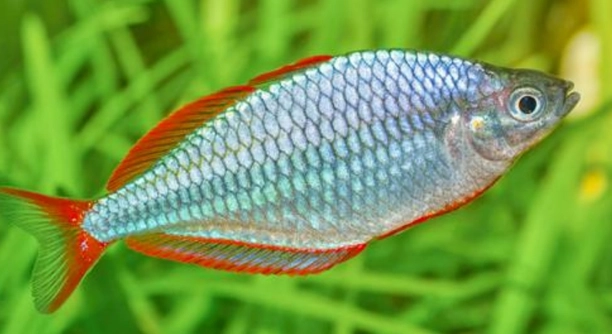
Rainbow fish are popular in aquariums, known for their vibrant colors and active nature. However, when introduced to new tankmates, their behavior can change. Understanding how they interact with other fish is key to creating a harmonious environment.
Rainbow fish may show signs of shyness when first introduced to new tankmates. They can be territorial or stressed, especially if the new fish are larger or more aggressive. Giving them time to adjust can help minimize this behavior.
Learning more about rainbow fish and their interactions with new tankmates will allow you to set up a peaceful aquarium.
Understanding Rainbow Fish Behavior
When introducing new tankmates to a rainbow fish’s habitat, they may initially act shy or reserved. This behavior is typical as they adjust to the new environment. The rainbow fish might hide or swim more cautiously until they feel comfortable with their new companions. In some cases, they could even display territorial tendencies, especially if they feel their space is being threatened. Keeping the tank conditions stable and offering hiding spots can help ease their transition.
It’s important to consider the size and temperament of potential tankmates. Rainbow fish can be sensitive to their surroundings, and aggressive or overly large fish may cause them to feel more anxious or threatened.
Over time, rainbow fish generally become more social and will interact with other species in a peaceful manner once they’ve adjusted. Ensuring the tank is large enough and providing sufficient resources for all fish helps reduce stress and encourages positive interactions. This process can take a few days or even weeks, so patience is essential for a balanced tank environment.
Setting Up a Peaceful Aquarium
Creating the right environment is crucial for keeping rainbow fish calm. Providing plenty of space and hiding spots will make them feel secure.
How Rainbow Fish React to Tank Changes
Rainbow fish tend to be sensitive to sudden changes in their environment. They may become stressed if the water temperature fluctuates or if the tank’s layout is altered too drastically. Keeping the water quality stable and introducing changes gradually will help avoid upsetting them.
If you rearrange the decorations or add new plants, it’s a good idea to make small adjustments over time. This allows the rainbow fish to adjust and explore their environment at their own pace. A sudden change in their habitat might cause them to retreat or act more timidly than usual.
Monitoring their behavior closely during these times is essential. If they seem too stressed or hide for extended periods, it may indicate that the environment isn’t as comfortable as it should be. Small adjustments can improve their comfort and prevent unnecessary stress.
Importance of Tank Size for Rainbow Fish
Rainbow fish require a sufficient amount of space to feel secure. A tank that is too small can lead to stress and territorial behavior. Aim for at least a 20-gallon tank to ensure there’s enough room for swimming and interaction.
A larger tank gives your rainbow fish the freedom to move around, reducing territorial disputes. In a crowded tank, they may become more aggressive or shy, especially around new tankmates. Providing enough space ensures they remain calm and comfortable, leading to better social interactions.
In addition to space, it’s important to have enough hiding spots and plants where the fish can retreat when they feel overwhelmed. This allows them to have their personal space while still interacting with others in the tank. This balance is key to maintaining harmony in a mixed-species aquarium.
The Role of Tankmates in Rainbow Fish Behavior
Tankmates can greatly influence how rainbow fish behave. If new fish are introduced too quickly or are not compatible with the rainbow fish, they may become stressed. It’s essential to choose peaceful fish that won’t intimidate or dominate.
Aggressive or larger fish can cause rainbow fish to become shy or hide. Choosing small, non-territorial tankmates will encourage your rainbow fish to feel more at ease. It’s also a good idea to introduce fish slowly, allowing your rainbow fish to adjust to the presence of newcomers over time.
Water Quality and Stress Levels
Water quality plays a significant role in how rainbow fish react to new tankmates. Poor water conditions can lead to stress, making it harder for them to adjust to their surroundings. Regular water changes are essential to maintaining their health and comfort.
When introducing new fish, make sure the water parameters—such as pH, hardness, and temperature—are stable. Sudden changes in water quality can worsen stress and cause the rainbow fish to retreat. Keeping the water clean and balanced supports their immune system, making it easier for them to interact with new companions.
Behavior During Feeding Time
Feeding time can show how comfortable rainbow fish are with new tankmates. If they are shy, they may hang back or avoid eating until they feel more secure. Ensuring that all fish have enough space during feeding is crucial.
FAQ
Do rainbow fish get along with other fish?
Rainbow fish are generally peaceful and can coexist well with other non-aggressive fish. They are social and prefer the company of others, but they may become stressed if placed with overly aggressive or territorial tankmates. Small, peaceful species like tetras or rasboras are usually great companions. However, be cautious when introducing larger or more dominant fish, as this could cause them to become shy or hide.
How long does it take for rainbow fish to adjust to new tankmates?
Rainbow fish typically take a few days to a few weeks to adjust to new tankmates. The adjustment period depends on the fish’s temperament and the environment. During this time, they may be more reserved or cautious. It’s important to give them space and avoid overwhelming them with too many changes at once. Gradually introducing new fish and ensuring stable water conditions can help speed up the process.
Can rainbow fish live with aggressive species?
Rainbow fish are not suited for aggressive tankmates. They are peaceful and may be bullied or stressed by aggressive fish. Predatory or overly territorial species, such as some cichlids or large barbs, could intimidate or chase rainbow fish. It’s best to keep rainbow fish with calm, non-aggressive species to maintain harmony in the tank.
How do I know if my rainbow fish is stressed?
Stressed rainbow fish may display signs such as hiding, reduced activity, loss of appetite, or swimming erratically. They might also have faded colors or appear skittish when new fish are introduced. If you notice these behaviors, it’s important to check the water quality, ensure the tankmates are peaceful, and minimize any other environmental stressors. Stress can lead to weakened immunity, so it’s vital to address it promptly.
Should I provide hiding spots for rainbow fish?
Yes, providing hiding spots is essential for rainbow fish, especially when introducing new tankmates. They can retreat to these spots if they feel threatened or overwhelmed. Adding plants, rocks, or decorations gives them areas to escape to and helps them feel more secure. This is particularly important during the adjustment period when they may be shy.
Can rainbow fish tolerate changes in water temperature?
Rainbow fish are sensitive to sudden changes in water temperature. Rapid fluctuations can cause stress or illness. It’s essential to maintain a stable temperature, ideally between 74-80°F (23-27°C), and avoid any sharp drops or increases. If you need to adjust the temperature, do so gradually to avoid shocking the fish.
What are the best tankmates for rainbow fish?
The best tankmates for rainbow fish are other peaceful species. Tetras, rasboras, and other community fish are great choices. Rainbow fish do well in groups of their own kind, and they also thrive with fish that are similar in size and temperament. Avoid pairing them with large, aggressive species, as these could cause stress or aggression.
Do rainbow fish need a group to feel comfortable?
Yes, rainbow fish are more comfortable and less stressed when kept in groups. They are social creatures and enjoy the company of their own kind. A group of at least five to six rainbow fish is ideal. Keeping them in groups helps reduce stress and encourages natural social behavior, making them feel more secure in the tank.
How often should I feed my rainbow fish?
Rainbow fish should be fed once or twice a day, depending on their size and activity level. They are not particularly picky eaters and will accept a variety of foods, including flakes, pellets, and live or frozen foods like brine shrimp or bloodworms. It’s important to only feed what they can consume in a few minutes to avoid overfeeding and water quality issues.
Can rainbow fish live with shrimp or snails?
Rainbow fish can generally live with shrimp and snails. They may not pose a threat to snails, but they might occasionally nibble on smaller shrimp, especially during feeding time. To prevent any issues, it’s best to keep shrimp species that are large or fast enough to escape. Snails are usually safe with rainbow fish, but they should be introduced carefully to avoid any territorial behavior from the fish.
How do rainbow fish react to water changes?
Rainbow fish may become slightly stressed by water changes, especially if they are sudden or drastic. It’s important to perform regular water changes, but ensure the new water matches the temperature and pH of the tank to minimize shock. Gradual water changes will help rainbow fish adjust better and maintain overall health.
Are rainbow fish easy to care for?
Rainbow fish are relatively easy to care for, as long as their basic needs are met. They require a well-maintained tank with stable water parameters, a balanced diet, and compatible tankmates. As long as their environment is appropriate and free from extreme changes, rainbow fish can thrive and live long, healthy lives in your aquarium.
Do rainbow fish need special lighting?
Rainbow fish don’t need special lighting, but they do benefit from moderate lighting that highlights their vibrant colors. Providing a light cycle of 10-12 hours of light per day will help simulate a natural day-night rhythm. Avoid harsh, intense lighting, as it may cause stress. Soft, ambient light will allow the rainbow fish to thrive and feel comfortable.
Final Thoughts
Rainbow fish are peaceful and social creatures, making them great additions to community tanks. They enjoy the company of other calm fish and typically adjust well to new tankmates, as long as the introduction is done slowly. Providing enough space in the tank, maintaining good water quality, and offering hiding spots will help your rainbow fish feel comfortable in their environment. Understanding their behavior and ensuring that they are not placed with aggressive species will help reduce stress and create a harmonious aquarium.
While rainbow fish are generally not shy, they can be sensitive to changes in their surroundings. Introducing new tankmates, changing the tank layout, or altering water conditions can cause stress. It’s important to monitor their behavior during these transitions. If they appear stressed, giving them time to adjust and ensuring that water quality is optimal will help them feel secure. Rainbow fish thrive in stable, well-maintained environments, so maintaining proper care routines is essential for their health.
In the end, rainbow fish can live happily with other peaceful species when their needs are met. They are hardy and can adapt to many different water conditions, but they do require a bit of attention when it comes to tankmates and environmental stability. With careful planning and proper tank care, rainbow fish can be a colorful, active, and beautiful addition to your aquarium.

Hello,
If you enjoy the content that we create, please consider saying a "Thank You!" by leaving a tip.
Every little bit helps us continue crafting quality advice that supports the health, happiness, and well-being of pets around the world, for pets of all shapes, sizes, and species.
We really appreciate the kindness and support that you show us!