
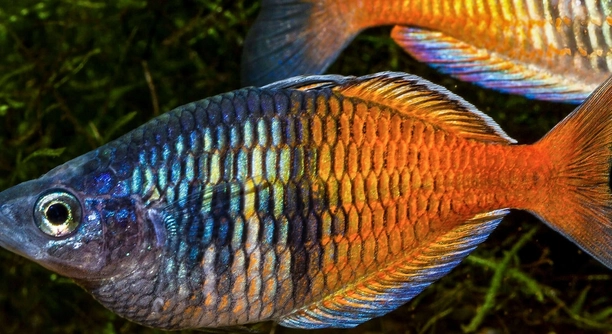
Have you ever watched your fish swim calmly, only for them to suddenly dart away at the slightest sound or vibration nearby?
Rainbow fish are sensitive to noise due to their lateral line system, which detects vibrations in the water. Exposure to loud or continuous noise can disrupt their natural behavior, causing stress and reducing overall well-being.
Understanding how sound affects these colorful swimmers can help improve their care and make their environment more peaceful and supportive.
Why Noise Affects Rainbow Fish
Rainbow fish are peaceful creatures that thrive in calm environments. Their bodies have a special sensory system that picks up even the slightest vibrations in the water. This helps them detect movement, sense danger, and navigate their surroundings. However, it also means that loud or constant noise can easily disturb them. Common sources of noise include filters, air pumps, nearby electronics, and even people walking by the tank. When rainbow fish hear or feel these sounds too often, they may become stressed. You might see them swimming erratically, hiding more than usual, or refusing to eat. Over time, this stress can weaken their immune system and make them more likely to get sick. Keeping their tank in a quieter part of your home and using low-noise equipment can really help them stay healthy. Taking a few small steps can make a big difference in how relaxed and happy they are.
Even if the noise isn’t very loud, it can still bother your fish if it goes on for too long or happens often.
Some rainbow fish may react more strongly than others, depending on their individual sensitivity. If you recently moved them or added new tank equipment, they might take some time to adjust. Watching how they behave in different conditions can give you helpful clues. If they seem jumpy or start hiding more, it’s worth checking if anything new in their space is making extra noise. Try turning off devices one at a time and see if they calm down. You can also add plants or decorations to the tank, which can soften vibrations and give them more hiding spots. It doesn’t have to be complicated—just quieting the space around their tank a bit can often help them feel safer and more at ease. Paying attention to these small signs will help you create a better home for them.
Creating a Calm Environment
Reducing stress for your rainbow fish starts with creating a peaceful tank setup.
Start by placing their aquarium in a quiet area of your home, away from TVs, speakers, or high-traffic walkways. Try to avoid setting the tank near doors that open and close frequently, as those vibrations can travel through the water. Choose low-noise filters and pumps made specifically for sensitive fish. You can also add soft plants and smooth rocks to help absorb sound and reduce the impact of vibrations. Covering the back and sides of the tank with background paper or foam can also help block out some surrounding noise. When cleaning or feeding, try to move gently and avoid tapping the glass. Even though fish don’t have ears like we do, they still feel everything through the water. Creating a space that feels calm and steady helps them stay active, social, and healthy. Once your setup is in place, check regularly to make sure nothing has changed that might be causing new stress.
Signs Your Rainbow Fish May Be Stressed
If your rainbow fish are swimming quickly back and forth, hiding often, or skipping meals, these could be signs of stress. Other clues include pale coloring, clamped fins, or sudden bursts of movement without clear reason.
Sometimes the changes are subtle. A normally active rainbow fish might start spending more time near the bottom or behind decorations. You may notice they become less interested in their surroundings or stop interacting with other fish. Some may breathe faster or seem overly alert. These behaviors can come and go, especially after changes in their environment. Even something as simple as a loud vacuum or banging on a nearby wall can cause these reactions. Paying close attention to these small signs helps you understand what might be bothering them. That way, you can adjust their environment before it becomes a bigger issue for their health and comfort.
Stressed fish might also become aggressive. Rainbow fish are usually peaceful, but when they feel threatened or unsettled, they may start chasing or nipping at tank mates. This sudden behavior can confuse people, especially if their fish have always gotten along before. When fish act out, it’s often their way of coping with discomfort. If this starts happening, it’s worth reviewing what’s changed in their tank or the room around it. Loud noise, new tank mates, or changes in water temperature could be playing a role. Once the source of stress is removed, their behavior usually improves on its own. Keeping the tank peaceful helps avoid these issues in the first place.
Helpful Changes You Can Make
A few simple changes can help your rainbow fish feel safe again. Try turning down nearby electronics or closing a door to reduce outside sound.
Soft lighting can also make a difference. Bright lights can be overwhelming, especially if the room is noisy. Using dimmer settings or keeping lights on a timer helps set a calmer mood. Add more plants or hideouts in the tank, so your fish have places to rest when they feel uneasy. Sometimes, even adjusting the filter to reduce water movement can lower stress. If you’re using a noisy air pump, switching to a quieter one could help right away. You don’t need fancy tools—just small adjustments that support a quieter, more stable home. Giving your fish a break from sudden changes lets them settle into a routine and feel more secure.
Noise may not be something we always notice, but for rainbow fish, it makes a big impact. They live in a world where every vibration matters. If you’re able to reduce those disturbances, you’ll likely see your fish return to their normal, active selves. A peaceful environment can encourage better colors, healthier eating, and more social behavior. Watch for how they react to small changes—this can tell you a lot about what they prefer. Over time, you’ll learn what makes them feel most comfortable. Keeping noise low isn’t just about comfort; it’s also about protecting their long-term health and helping them thrive in their space.
Common Mistakes to Avoid
Tapping the glass may seem harmless, but it can create strong vibrations that scare rainbow fish. Avoid tapping, banging, or placing the tank near areas with heavy foot traffic or loud activities like music or TV.
Changing water too quickly or rearranging the tank often can also raise stress levels. Try to keep changes slow and gentle.
Best Equipment for a Quieter Tank
Look for sponge filters or low-flow internal filters made for small tanks. These create less water disturbance and are usually quieter than power filters. Air pumps labeled “quiet” or “silent” are good options, especially if placed on a soft surface to reduce vibration. You can also use airline tubing with a valve to lower the air output, which softens both noise and bubbling. For lighting, choose LED lights with a dimming option or timer, so your fish have a regular day and night cycle. Using foam or soft background panels on the back and sides of the tank can also help reduce outside noise. Small changes in your equipment can make a big difference in how calm the tank feels for your fish.
When to Seek Extra Help
If your rainbow fish continue acting stressed even after you’ve made changes, it might be time to ask an aquarium expert or vet.
FAQ
Can rainbow fish hear sounds outside the tank?
Rainbow fish don’t hear like humans, but they can feel sound vibrations through the water. Sounds from outside the tank, like footsteps, loud music, or knocking, create vibrations that travel through the tank’s surface. These vibrations are picked up by the fish through their lateral line system. This system runs along their sides and helps them detect movement, pressure, and sound. So while they’re not hearing the way we do, they are very aware of nearby noise and movement. Even low sounds can feel intense to them, especially if the tank sits on a hard surface that carries vibrations.
Why are my rainbow fish hiding all of a sudden?
Sudden hiding is often a sign of stress. This can be caused by new noises, tank changes, bright lights, or other fish acting aggressively. If they were previously active and social, think about what may have changed. Did you move the tank? Add something new nearby? Even a loud sound can cause this kind of behavior. Sometimes fish hide for a while after big changes but will come out again once they feel safe. Adding more plants or shelters to their space can also help them feel protected and encourage them to explore again.
Is it okay to have music or TV playing near the tank?
It depends on the volume and how close the tank is. If the music or TV is loud or has deep bass, it can send strong vibrations into the water. Over time, this might stress the fish. Softer sounds from a distance are usually fine. If the tank is right next to a speaker or TV, consider moving it or lowering the volume. Try observing your fish—if they start hiding, swimming nervously, or avoiding certain areas of the tank when the TV or music is on, it may be too loud for them.
Do rainbow fish get used to noise over time?
Some fish might adjust to mild, constant background noise, especially if it’s not too loud or unpredictable. But many rainbow fish stay sensitive to new or sharp sounds. Things like door slams, sudden yelling, or tapping can continue to startle them, even if they’ve lived in that space for a while. While they might seem calmer over time, it’s best not to rely on the idea that they’ll simply adapt. It’s safer and more supportive to actively reduce unnecessary noise and keep their environment stable.
What type of filter is best for reducing stress?
A sponge filter is one of the best choices for reducing both water movement and noise. These filters are gentle, quiet, and great for tanks with sensitive fish. Internal filters with adjustable flow are another good option. Make sure any filter you use doesn’t cause strong currents or make a lot of bubbling noise. Some filters come with rubber feet or suction cups to help reduce vibration, which makes the tank quieter. The goal is to keep the water clean without making your fish feel like they’re in a storm.
How can I tell if a filter or pump is too loud?
If you can hear humming, rattling, or bubbling from across the room, it might be too loud for your fish. Put your hand on the tank’s surface—if it vibrates strongly, that’s a sign the equipment is making too much noise. Try placing the filter or pump on a soft surface like a towel or sponge to absorb some of the sound. You can also try turning it off briefly to see if your fish behave differently when it’s off. If they suddenly become more active or relaxed, the equipment might be bothering them.
Can decorations help reduce noise inside the tank?
Yes, certain decorations can help. Plants, rocks, and driftwood all help break up sound waves in the water. More hiding spots also make fish feel secure, especially if they’re reacting to outside noise. Adding background panels to the back and sides of the tank can also help block sound and make the tank feel more private. Just be sure decorations don’t create sharp currents or crowd the space too much. The goal is to give your fish both shelter and a quieter, more stable place to live.
Are rainbow fish more sensitive to noise than other fish?
They can be, especially because they are active swimmers and tend to be alert to their surroundings. Like most fish, rainbow fish depend on their senses to stay safe. Noise makes it harder for them to relax, and they may become anxious more quickly than slower or more solitary fish. That doesn’t mean they’re fragile, but it does mean they do better in low-stress environments. Keeping things steady and calm helps rainbow fish show their full colors and behave naturally.
Final Thoughts
Rainbow fish are peaceful, colorful swimmers that do best in calm, stable environments. Noise, even if it seems small to us, can cause stress for them. Their bodies are built to sense vibrations in the water, so sounds from filters, footsteps, TVs, or other sources can feel loud and overwhelming. When they feel uncomfortable, they may start hiding, stop eating, or act differently than usual. These signs of stress are important to notice early so that small problems don’t turn into bigger ones. Creating a quiet space with soft lighting, good plants, and low-noise equipment can make a big difference in how healthy and active your fish are.
It doesn’t take a lot of effort to make your fish more comfortable. Choosing a quieter filter, turning down loud electronics near the tank, and adding a few hiding spots can really help. Observing your rainbow fish closely is also key—watching their daily behavior will help you understand what feels right or wrong to them. Fish that swim with confidence, show bright colors, and eat regularly are usually happy. If you ever notice a change, check if something in their environment has shifted. Small changes in sound, light, or water conditions can affect them more than you might expect.
Taking care of rainbow fish is about more than just feeding them or keeping the water clean. Their comfort and sense of safety matter too. Reducing noise is one part of helping them feel secure. While they can’t tell you when something’s wrong, their behavior speaks clearly if you take the time to notice. A peaceful space lets them show their natural patterns and helps prevent health issues tied to stress. It’s not about being perfect—it’s about being thoughtful and making small choices that support their well-being. When their environment is calm and steady, rainbow fish are more likely to stay healthy, active, and beautiful for a long time.

Hello,
If you enjoy the content that we create, please consider saying a "Thank You!" by leaving a tip.
Every little bit helps us continue crafting quality advice that supports the health, happiness, and well-being of pets around the world, for pets of all shapes, sizes, and species.
We really appreciate the kindness and support that you show us!