
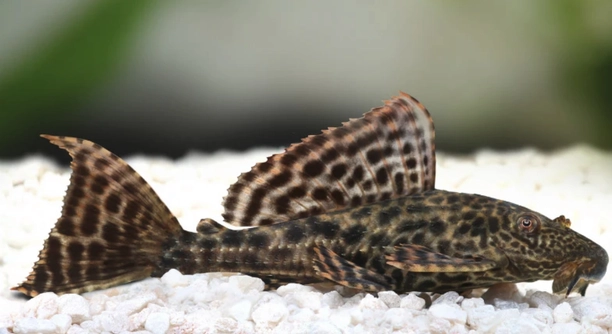
Are your Plecostomus happy in your tank, but you’re unsure if weekly cleanings are good for them? Keeping a healthy environment for your fish is important, but it’s also crucial to know their cleaning needs.
Weekly cleanings are generally safe for Plecostomus, but it’s essential to balance their environment. Over-cleaning can disrupt beneficial bacteria that help maintain water quality. Regular but not excessive cleaning ensures a stable habitat for your fish.
In this article, we will explore how to clean your tank effectively while keeping your Plecostomus comfortable and healthy. Knowing the right approach can make all the difference in their well-being.
Plecostomus Cleaning Needs: How Often Should You Clean Their Tank?
Plecostomus are great fish to have in your aquarium due to their algae-eating habits, but they still need a clean environment to thrive. Weekly tank cleaning can be good, but it depends on how many fish are in the tank and the water quality. If your tank has a lot of fish, more frequent cleaning may be necessary to prevent waste buildup. However, too much cleaning can disrupt the balance of bacteria that help break down toxins. It’s best to aim for a weekly cleaning routine but monitor your tank’s water conditions to determine if it’s enough.
Regular maintenance helps keep algae under control and prevents harmful bacteria from taking over. If you notice cloudy water or buildup on the tank’s walls, it may be time to clean. Weekly cleaning should include replacing a portion of the water, cleaning decorations, and checking the filter. The more balanced your tank is, the less cleaning it will need over time.
Your Plecostomus will benefit from a clean tank, but always be cautious not to overdo it. In the next section, we’ll discuss how you can keep your tank healthy without over-cleaning.
What to Clean During Weekly Maintenance
When performing weekly maintenance, focus on cleaning key areas that can accumulate waste or algae. These include the gravel, decorations, and filter. Gravel siphoning will remove debris and prevent it from building up. Decorations can be wiped down to remove any algae growth, but don’t scrub too hard, as this could remove beneficial bacteria. Regularly checking your filter ensures it works properly without becoming clogged.
Keeping the filter running efficiently ensures water circulation and helps maintain water quality. It’s important not to remove the filter media completely during cleaning as this could harm the bacteria colonies. Instead, rinse it gently in tank water to preserve these beneficial microorganisms. Over-cleaning the filter can also reduce its effectiveness.
A balanced cleaning schedule is key to ensuring your Plecostomus and other tank mates stay healthy.
The Importance of Water Quality
Maintaining clean water is essential for the health of your Plecostomus. Weekly water changes are necessary to remove toxins and waste. If the water becomes too polluted, it can affect the fish’s health. Make sure to test the water regularly for ammonia, nitrites, and nitrates to keep it safe.
Changing 20-30% of the water weekly helps ensure that harmful substances are diluted. Regular water testing also lets you know if there are imbalances. For instance, high ammonia levels can be toxic to your Plecostomus. If the water quality is poor, no amount of cleaning will keep them healthy.
It’s important to use a water conditioner when replacing the water, especially if you use tap water. Tap water often contains chlorine or chloramines, which are harmful to fish. Conditioning the water helps neutralize these chemicals, creating a safe environment for your Plecostomus to thrive.
Managing Algae Growth
Algae is a natural part of any aquarium, but it can quickly take over if not controlled. Plecostomus help by eating algae, but they can’t do it all. Weekly cleaning, along with maintaining proper lighting, can keep algae under control. Overfeeding your fish can also cause excess nutrients, leading to algae blooms.
To manage algae growth, keep your tank well-maintained by reducing excess nutrients. Avoid leaving food in the tank for too long and ensure that you’re feeding your Plecostomus the right amount. You should also limit direct sunlight exposure, as this encourages algae growth.
While Plecostomus are efficient at eating algae, they can’t reach every surface. Be sure to clean the glass and decorations during your weekly maintenance. Use a soft algae scraper or sponge to avoid damaging your tank’s surfaces. Keeping algae in check will help ensure that your tank stays clean and pleasant for your fish.
The Role of Plecostomus in Tank Cleaning
Plecostomus help keep your tank clean by eating algae and leftover food, reducing some of the cleaning workload. However, they can’t handle everything. They don’t clean the substrate or remove organic waste from the water, so regular cleaning is still necessary.
While they’re excellent algae eaters, Plecostomus can’t reach all areas of the tank, such as the substrate and decorations. Their cleaning efforts are limited to surfaces like rocks and glass. Without regular maintenance, waste and debris will accumulate, affecting the water quality. Plecostomus should be seen as helpers, not replacements for tank cleaning.
Substrate Cleaning and Waste Removal
Gravel and substrate can trap waste, uneaten food, and other debris that Plecostomus can’t reach. It’s essential to siphon the substrate during your weekly cleanings to remove these trapped materials. Leaving them in place can lead to poor water quality and health problems for your fish.
Filter Maintenance
The filter is one of the most important parts of your tank’s cleaning system. It keeps the water clean by trapping particles and promoting beneficial bacteria growth. During weekly maintenance, inspect the filter and clean the parts that are dirty. Always rinse the filter media gently in tank water to preserve its beneficial bacteria.
FAQ
How often should I clean my Plecostomus tank?
You should aim to clean your Plecostomus tank weekly. This includes removing about 20-30% of the water and cleaning the decorations and filter. However, how often you clean can depend on factors like the size of your tank, the number of fish, and the water quality. If your tank is heavily stocked or you feed your fish a lot, you might need to clean it more often. Keep an eye on the water quality to determine if more frequent cleaning is needed.
Can I clean my Plecostomus tank too much?
Yes, over-cleaning can harm the balance of beneficial bacteria in the tank. These bacteria help break down waste and maintain water quality. If you clean too often or too thoroughly, it can disrupt this process, leading to water imbalances. Always ensure that your cleaning routine is moderate and that you’re not removing too much bacteria when cleaning the filter or substrate.
How do I clean the filter without harming the tank?
When cleaning the filter, it’s important not to overdo it. Never rinse the filter media with tap water, as this can kill the beneficial bacteria. Instead, rinse the filter parts gently with tank water. This will remove debris and allow the bacteria to continue doing their job. You don’t need to clean the filter every week; a good rule of thumb is to check it monthly and clean it when necessary.
How can I reduce algae growth in my tank?
While Plecostomus help eat algae, they can’t keep it under complete control. To manage algae growth, you need to reduce the amount of light the tank gets, avoid overfeeding, and maintain proper water quality. Too many nutrients in the water from uneaten food or fish waste can promote algae growth. Use a timer for the tank light to limit the amount of light algae can grow under. Regular water changes and cleaning the surfaces will also help control algae buildup.
Should I remove my Plecostomus during cleaning?
It’s not necessary to remove your Plecostomus during regular cleaning, as long as you’re not making drastic changes to the tank. However, if you’re using chemical cleaners or doing a deep clean, it’s safer to remove them temporarily. Always ensure the tank water stays stable in temperature and chemistry during any maintenance, as sudden changes can stress your Plecostomus.
How can I tell if my Plecostomus is stressed from cleaning?
Signs of stress in a Plecostomus include hiding more than usual, swimming erratically, or refusing to eat. If you notice any of these behaviors, check if the water conditions have changed dramatically after cleaning. Ensure the temperature, pH, and ammonia levels are stable. Sudden shifts in water parameters can be a stress factor. If the cleaning was thorough, give your Plecostomus time to adjust, and avoid heavy cleaning in the future.
Do I need to vacuum the substrate every week?
Vacuuming the substrate should be part of your weekly cleaning routine. Plecostomus may help with some waste, but they can’t clean the gravel or remove organic waste buried deep in the substrate. Regular siphoning removes trapped food, waste, and debris that could otherwise degrade water quality. Don’t overdo it, as disturbing the substrate too much can harm the tank’s balance, but it’s a necessary part of maintaining a healthy environment.
Can I use chemical cleaners to clean my Plecostomus tank?
It’s best to avoid using chemical cleaners in a tank with Plecostomus or any fish. Many chemical cleaners can be harmful to aquatic life, even if they are safe for humans. If you’re trying to remove algae or stains, use natural methods like scrubbing with a sponge or using a scraper. If absolutely necessary, make sure any chemical products are labeled as safe for aquariums, and use them sparingly.
How can I tell if my Plecostomus is healthy?
A healthy Plecostomus will be active, have clear eyes, and a smooth, even coloration. It will also have a healthy appetite and not seem lethargic or stressed. If you notice any changes in behavior, like hiding more often or refusing food, this could be a sign that something in the tank environment is off. Make sure the water is clean, the temperature is stable, and there’s no build-up of harmful chemicals.
What’s the best way to handle uneaten food in the tank?
Uneaten food can quickly deteriorate water quality, so it’s important to remove it after about 5 minutes if your Plecostomus doesn’t eat it. Overfeeding can cause excess nutrients, which can contribute to poor water quality and algae growth. Try feeding smaller portions to avoid food buildup. If you’re unsure about how much to feed, feed small amounts throughout the day instead of one large serving.
Final Thoughts
Maintaining a clean environment for your Plecostomus is essential to their health and well-being. Regular tank cleaning, along with proper water changes, helps keep the water quality stable and supports the natural balance in the aquarium. Plecostomus are excellent algae eaters, but they still need your help to keep the tank free of excess waste. Regular cleaning routines ensure they have a comfortable, healthy place to live.
While Plecostomus are hardy fish, they can still suffer from poor water conditions or over-cleaning. It’s important to find the right balance between keeping the tank clean and not disrupting the beneficial bacteria that help break down waste. Weekly cleaning should focus on tasks like water changes, vacuuming the substrate, and cleaning decorations. Make sure to keep an eye on the water quality by testing for ammonia, nitrates, and nitrites to avoid any imbalances that could harm your fish.
Over time, you’ll learn what works best for your tank, and your Plecostomus will thrive in a well-maintained environment. Regular cleaning doesn’t need to be complicated, but it does require consistency. Knowing how often to clean and which areas to focus on can make all the difference. By sticking to a cleaning routine and monitoring water quality, you’ll help ensure that your Plecostomus and other fish stay healthy and happy.

Hello,
If you enjoy the content that we create, please consider saying a "Thank You!" by leaving a tip.
Every little bit helps us continue crafting quality advice that supports the health, happiness, and well-being of pets around the world, for pets of all shapes, sizes, and species.
We really appreciate the kindness and support that you show us!