
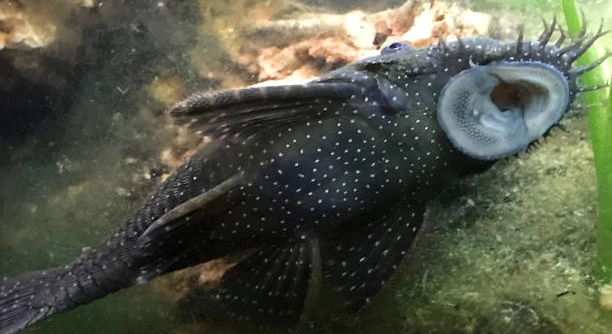
Plecostomus are a popular addition to aquariums due to their algae-eating habits. However, their ability to thrive in various water conditions often raises concerns. One key factor to consider is water pH levels, especially high pH environments.
Plecostomus generally prefer a pH level between 6.5 and 7.5, though some species can tolerate higher pH levels. Prolonged exposure to water with high pH may stress them, leading to health issues such as skin irritation or poor growth.
Understanding the relationship between high pH and plecostomus health will help you create a suitable environment for these fish. This insight is crucial for their long-term well-being.
Why pH Levels Matter for Plecostomus
Plecostomus are sensitive to changes in water chemistry, particularly pH. High pH levels can alter the fish’s ability to absorb nutrients and oxygen properly, leading to health issues. In aquariums with a high pH, plecostomus may experience stress, resulting in weaker immune systems and more frequent illnesses. In natural habitats, plecostomus are typically found in waters with a neutral to slightly acidic pH. This makes them less adapted to thrive in water that is too alkaline. Understanding the effects of high pH and how to manage it is essential to maintaining the health of your plecostomus.
Maintaining a balanced pH is key to their well-being. It’s important to monitor water conditions regularly, adjusting them as needed. A stable environment promotes their growth and longevity.
To keep plecostomus healthy, it’s important to control pH fluctuations. If the water’s pH is too high, it can be adjusted using various aquarium products, such as pH-lowering additives. Regular water changes, along with proper filtration, can also help prevent high pH levels from becoming problematic. Ensuring that the water is kept within the ideal range will reduce the risk of stress and improve the overall health of your plecostomus.
How to Manage High pH in Aquariums
If you’re dealing with high pH levels, there are solutions to help. Regular testing is the first step.
Using pH buffers, such as phosphoric acid or commercial pH-lowering products, can effectively reduce the water’s pH. For gradual changes, consider adding driftwood or almond leaves, as they can naturally lower pH by releasing tannins into the water. These materials are often used in aquariums to mimic the natural environment of plecostomus.
Proper filtration systems are also essential in stabilizing pH. Choose filters that can remove excess minerals and prevent the water from becoming too alkaline. Additionally, ensure the tank has adequate water movement, as stagnant water can lead to inconsistent pH levels. Regular water testing will help you determine if the pH is in the correct range and allow for adjustments before problems arise. By combining these techniques, you can create a stable environment for your plecostomus, supporting their health and vitality.
Signs of Stress in Plecostomus Due to High pH
When plecostomus are exposed to high pH, they may show signs of stress. These signs can include rapid breathing, skin discoloration, and loss of appetite. Their behavior might become erratic, and they may hide more often than usual. It’s important to monitor their condition and water parameters closely.
Stress in plecostomus can lead to weakened immunity, making them more susceptible to infections. If not addressed, it can cause long-term health issues, such as stunted growth or organ damage. Regular water testing and immediate adjustments can prevent these problems. Keep an eye on your plecostomus for any behavior changes and respond quickly.
If you notice your plecostomus showing signs of stress, take action immediately. A sudden drop in pH or exposure to high pH can cause damage to their gills and skin. To help them recover, adjust the water’s pH gradually. Over time, restoring a healthy environment can improve their health and behavior.
Adjusting pH Without Harmful Chemicals
Adjusting pH doesn’t always require harsh chemicals. For a more natural approach, you can use driftwood, peat moss, or almond leaves. These materials release tannins that lower the pH in a safe, gradual manner. This method mimics the plecostomus’ natural habitat, creating a more comfortable environment.
Driftwood is a popular choice because it’s effective and easy to incorporate. When placed in your aquarium, it slowly releases tannins that can reduce pH levels over time. Be sure to regularly monitor the water’s pH with a test kit to ensure the levels are within the ideal range. This gentle method can help stabilize the aquarium environment without stressing your plecostomus.
Peat moss is another effective way to lower pH. It can be placed in the filter or in a mesh bag and hung in the aquarium. As it releases tannins into the water, it helps bring the pH down gradually. Just like driftwood, peat moss requires regular water testing to track pH levels and ensure your plecostomus remain in a safe, stable environment. Both methods provide a natural way to create a healthier, stress-free tank.
Monitoring pH Levels Regularly
Regular monitoring of pH levels is essential for maintaining a healthy environment for plecostomus. Test the water frequently, especially if you suspect any issues. Use a reliable aquarium pH test kit to get accurate readings. Keeping track of the pH will help you spot problems before they affect your fish.
Testing pH regularly will give you peace of mind, knowing your plecostomus are in the best possible environment. Adjustments can be made in time to prevent stress or health problems. A consistent routine helps keep water chemistry stable, promoting the overall well-being of your plecostomus.
The Role of Water Changes in pH Control
Water changes are crucial for controlling pH in your aquarium. Regular water changes can help remove excess minerals that contribute to high pH. It also prevents the buildup of harmful substances, ensuring your plecostomus are living in clean, balanced water. Aim for regular changes to maintain a stable pH.
Changing the water not only helps with pH, but also improves overall water quality. Freshwater introduces new minerals and stabilizes conditions that might otherwise fluctuate. If you notice rising pH levels, consider performing water changes more frequently. This simple step can prevent stress and ensure your plecostomus thrive.
Long-Term Effects of High pH on Plecostomus
Prolonged exposure to high pH can have lasting effects on plecostomus. It may lead to weakened immune systems, making them more vulnerable to diseases. High pH can also affect their growth, causing stunted development. Without proper care, these effects can shorten their lifespan.
High pH over time can also cause skin irritation or damage to gill membranes, making it harder for plecostomus to breathe properly. These issues might not be immediately visible but can significantly impact their health in the long run. Adjusting the pH promptly can help avoid permanent damage to your plecostomus.
FAQ
Can plecostomus live in high pH water?
Plecostomus can tolerate slightly higher pH levels, but they do best in water with a neutral or slightly acidic pH. Water with a pH consistently above 7.5 can lead to stress, health issues, and poor growth. To ensure plecostomus thrive, it’s crucial to keep the pH within the ideal range of 6.5 to 7.5.
How can I tell if my plecostomus is stressed due to high pH?
Signs of stress in plecostomus include rapid breathing, loss of appetite, skin discoloration, and increased hiding behavior. If you notice these changes, check your aquarium’s pH levels. High pH can weaken the immune system, leading to infections and other health problems.
What is the ideal pH level for plecostomus?
Plecostomus prefer a pH between 6.5 and 7.5, which closely resembles their natural habitat. While some species may tolerate slightly higher pH levels, it’s best to maintain a pH close to neutral to avoid stressing the fish. Regular water testing is the best way to monitor this.
Can I use chemicals to lower the pH in my aquarium?
Yes, you can use pH-lowering products, but it’s best to avoid sudden changes. Chemicals like phosphoric acid or commercial pH buffers are available, but they can sometimes cause fluctuations that may stress your plecostomus. It’s safer to use natural methods, such as driftwood or almond leaves, for gradual pH adjustments.
How often should I check the pH in my aquarium?
Testing the pH once a week is ideal, especially if you’re adjusting water conditions. If you notice any changes in plecostomus behavior or health, test the pH more frequently. Regular testing ensures the water stays within a safe range and helps you prevent potential problems.
What are some natural ways to lower pH in an aquarium?
Driftwood, almond leaves, and peat moss are effective natural methods for lowering pH. These materials release tannins into the water, gradually decreasing pH levels without causing sudden changes. This natural approach mimics the plecostomus’ environment, promoting their health and reducing stress.
What happens if the pH drops too low for plecostomus?
If the pH drops too low, it can cause its own set of problems. Water that is too acidic can stress plecostomus, leading to lethargy, skin damage, and reduced immunity. It’s important to maintain a balanced pH level and avoid swings in either direction for optimal fish health.
Can plecostomus tolerate salt in the water?
Plecostomus are freshwater fish and do not tolerate salt well. Salt in the water can cause damage to their delicate skin and gills. It’s best to avoid using salt in plecostomus tanks unless absolutely necessary for treating certain health conditions, and only under expert advice.
How can I prevent pH fluctuations in my aquarium?
To prevent pH fluctuations, keep your tank clean with regular water changes and proper filtration. Avoid overfeeding and overstocking the aquarium, as excess waste can affect water chemistry. Maintaining a stable environment through consistent water testing and using natural pH-lowering methods can help keep the pH steady.
Are there any other factors that can affect the pH levels in an aquarium?
Yes, factors like the type of substrate, decorations, and filtration system can influence pH levels. For example, limestone or coral-based substrates can raise pH, while materials like peat moss can lower it. Regular water testing is essential for identifying and managing these influences effectively.
How long does it take for plecostomus to adjust to new water conditions?
Plecostomus can take a few days to a week to adjust to new water conditions, depending on how gradual the changes are. Rapid changes in pH can cause shock, so it’s important to make adjustments slowly to avoid stressing the fish. Be patient and monitor their behavior closely during this time.
Can plecostomus survive in slightly alkaline water?
Yes, plecostomus can survive in slightly alkaline water, but their health may be compromised in the long run. The ideal pH for plecostomus is slightly acidic to neutral, so it’s best to adjust the water if the pH rises above 7.5. Regular monitoring will help keep your plecostomus safe.
Is there a specific plecostomus species that tolerates high pH better?
While some plecostomus species may be more tolerant of higher pH levels, it’s still important to maintain a pH range of 6.5 to 7.5. Species like the common pleco (Hypostomus plecostomus) may tolerate slightly higher pH, but even they perform best in neutral conditions. Monitoring pH and making gradual adjustments is crucial for any species.
Can I use a pH stabilizer in my plecostomus tank?
While pH stabilizers can help maintain consistent pH levels, they should be used with caution. Over-reliance on stabilizers can mask underlying water quality issues. It’s better to address the root cause of pH fluctuations, such as improper filtration or imbalanced water changes, rather than relying solely on chemicals.
How does high pH affect plecostomus’ feeding habits?
High pH can reduce plecostomus’ appetite. The stress caused by elevated pH levels may make them less likely to eat or forage as usual. If your plecostomus seems less active or avoids food, it’s a sign that the pH may need to be adjusted.
Can plecostomus survive without a filter in high pH water?
While plecostomus can survive in high pH water, they will fare much better with a proper filtration system. The filter helps keep the water clean and removes excess minerals that contribute to pH instability. Without filtration, the water quality may deteriorate, leading to further stress on the plecostomus.
How do I know if my plecostomus is improving after adjusting pH levels?
After adjusting the pH, monitor your plecostomus for signs of improvement. They should become more active, start eating regularly, and show normal behavior. If they remain lethargic or show signs of distress despite the adjustments, further action may be needed. Consistent pH stability is key to their recovery.
Final Thoughts
Maintaining the right pH level in your aquarium is crucial for the health of your plecostomus. These fish are sensitive to changes in water chemistry, and high pH levels can lead to stress, weakened immunity, and poor overall health. While plecostomus can tolerate slightly higher pH, it’s best to keep the water in the ideal range of 6.5 to 7.5 to ensure their well-being. Regular water testing and monitoring are essential to keeping pH levels stable and preventing any sudden fluctuations that could harm your fish.
Adjusting the pH of your tank doesn’t need to be complicated, but it does require consistency. Using natural methods like driftwood, almond leaves, or peat moss can gradually lower the pH without stressing your plecostomus. While chemical solutions are available, they should be used carefully to avoid drastic changes that can cause more harm than good. Regular water changes are another key part of maintaining stable pH levels and improving water quality overall. It’s important to strike a balance and make adjustments slowly to avoid shocking your plecostomus.
In the end, the health of your plecostomus depends on a stable and balanced environment. If you monitor pH levels regularly and take steps to ensure that the water conditions are optimal, your plecostomus will thrive. Remember that slight changes in pH are part of natural water fluctuations, but it’s the consistent maintenance that keeps your fish healthy. Whether you’re adjusting the water chemistry with natural methods or making small changes to filtration, your plecostomus will benefit from a well-maintained, stable environment.

Hello,
If you enjoy the content that we create, please consider saying a "Thank You!" by leaving a tip.
Every little bit helps us continue crafting quality advice that supports the health, happiness, and well-being of pets around the world, for pets of all shapes, sizes, and species.
We really appreciate the kindness and support that you show us!