
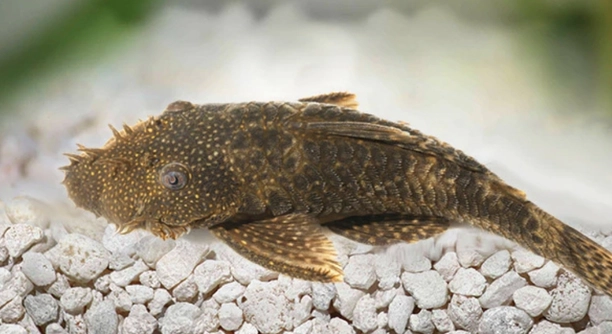
Plecostomus are popular freshwater fish often found in aquariums. Known for their unique appearance and algae-eating habits, many people wonder about their behavior, especially at night. Understanding their nocturnal tendencies can help aquarium owners better care for them.
Plecostomus are primarily nocturnal creatures. They are most active during the night, when they leave their hiding spots to feed and explore. During the day, they tend to rest in shaded areas or caves, conserving energy.
Knowing when your plecostomus is most active can make a difference in their health and behavior. It’s important to create a suitable environment that mimics their natural habitat.
Understanding the Nocturnal Habits of Plecostomus
Plecostomus fish are naturally nocturnal, which means they are most active during the night. They tend to rest during the daytime, often hiding in caves or under decorations in your aquarium. This behavior is part of their instinctual need for safety and comfort. In the wild, plecos usually live in environments with lots of hiding spaces to avoid predators. This need for hiding and resting helps them stay safe. When night falls, they emerge to feed on algae or organic matter, making them helpful aquarium cleaners. They also explore their surroundings during the night hours when the environment is calmer.
Plecostomus are not social fish and usually prefer solitude during their active hours. They will move around their tank to search for food, but their solitary behavior can sometimes make them seem less interactive. Understanding this trait helps in setting up their aquarium to cater to their needs, allowing them to feel secure and active during the right times.
If you have a plecostomus in your tank, it’s essential to provide plenty of hiding spots, especially for daytime. This gives them the opportunity to rest and feel secure. Adding caves, plants, or rocks to your tank can mimic their natural habitat, making them feel more at home. However, even though they are nocturnal, they still need a well-lit environment to know when it’s day and night. The key to keeping your pleco healthy is balancing their need for rest and active time.
How to Adjust Your Tank for Plecostomus
To keep your plecostomus happy, create an environment that supports their nocturnal behavior. Make sure your tank has plenty of hiding spots where they can rest safely during the day.
Plecostomus do best in tanks with caves, plants, and other hiding spaces where they can retreat when needed. Since they are nocturnal, you should also ensure your tank has a proper light cycle to mimic day and night. A good light schedule will help them know when to rest and when to be active. In addition, it’s important to maintain good water quality and keep the tank clean, especially if your pleco is working hard to eat algae. Plecostomus thrive in tanks that are well-maintained and have stable conditions, including temperature and pH. Ensuring these factors will help them feel comfortable and healthy in your home aquarium.
Plecostomus Feeding Habits at Night
Plecostomus are nocturnal feeders, meaning they prefer to eat after dark. They graze on algae, decaying plant matter, and any leftover food in the tank. Providing them with algae wafers or sinking pellets is a good way to ensure they have enough to eat.
At night, plecos use their specialized mouth to scrape algae off surfaces like rocks, glass, and decorations. This feeding behavior is part of their natural cleaning function in the aquarium. If algae isn’t abundant, they’ll go after sinking foods designed for bottom feeders. Ensure they have enough food to keep them active and healthy.
Since plecos are bottom dwellers, it’s crucial to place food where they can access it. Overfeeding your tank can lead to excess waste, which affects water quality. A proper balance of food ensures your pleco stays well-fed without creating issues with water pollution. Regular feeding at night matches their behavior and helps mimic their natural environment.
Creating a Comfortable Habitat for Your Pleco
Plecostomus need a suitable tank environment that reflects their natural habitat. This includes hiding places, stable water conditions, and appropriate tank mates. A comfortable space helps them feel secure, which is essential for their well-being.
To create a good habitat for your pleco, make sure there are plenty of hiding spots such as caves, rocks, or dense plants. This gives them a safe place to rest during the day. It’s also important to maintain water conditions, including temperature and pH levels, that match their natural environment. A tank with a steady temperature between 72-86°F (22-30°C) is ideal. Clean water helps prevent diseases and supports their algae-eating habits. Tank mates should be peaceful, as plecos prefer calm surroundings.
Monitoring Plecostomus Behavior
When observing your plecostomus, you’ll notice that they are more active after the lights are off. They tend to stay in their hiding spots during the day and move around mainly at night. Watching their patterns helps ensure they are healthy and comfortable.
At night, plecos are usually busy grazing on algae or scavenging for food. If they’re not moving around as much, it could indicate something’s wrong with their environment. Monitoring their behavior helps catch problems early, like stress or illness. It’s important to ensure they have everything they need for a healthy, active lifestyle.
Water Conditions for Plecostomus
Water quality is crucial for plecostomus health. They thrive in clean, well-maintained tanks with stable parameters. Ensure the water is filtered properly and test regularly for pH, ammonia, and nitrate levels.
Plecos are sensitive to poor water conditions, which can lead to stress or illness. Regular water changes and a good filtration system will help maintain a healthy environment. Stable water temperatures are also important for keeping your pleco comfortable and active. Regular monitoring keeps your tank’s ecosystem balanced and your pleco healthy.
Tank Size for Plecostomus
Plecostomus need a spacious tank to live comfortably. A tank of at least 75 gallons is recommended for adult plecos to allow them enough room to grow and swim.
FAQ
Do plecostomus need light at night?
While plecostomus are nocturnal, they still need a light cycle to understand day and night. A consistent light cycle helps regulate their natural behavior. You don’t need to keep the tank light on all night, but it’s important to have a light/dark pattern. This helps them know when to rest and when to be active. It also supports their overall health. Ensure the lighting schedule mimics natural day and night changes. Typically, 10-12 hours of light each day is ideal, with the tank being dark at night to help your pleco sleep.
How long do plecostomus live?
Plecostomus have a long lifespan when cared for properly. In a well-maintained tank, they can live anywhere from 10 to 15 years. They need good water quality, regular feeding, and space to thrive. Their longevity depends on providing them with a stable environment that mirrors their natural habitat. Keeping their water clean, feeding them the right food, and maintaining proper lighting conditions will contribute to a long, healthy life. If a pleco is stressed due to improper tank conditions, it can lead to a shorter lifespan.
Can plecostomus live with other fish?
Plecostomus are generally peaceful and can coexist with many other species of fish. However, it’s important to choose tank mates that are calm and won’t compete for space or food. Avoid placing them with aggressive fish or those that could stress your pleco. Plecos can also become territorial, especially as they grow larger. Having enough hiding spaces and swimming areas is essential to prevent conflicts. Species like tetras, guppies, and peaceful barbs often do well with plecostomus. Always monitor interactions between tank mates to ensure everyone is getting along.
What do plecostomus eat besides algae?
While plecos are known for eating algae, they are opportunistic feeders and will consume a variety of foods. Besides algae, you can feed them sinking pellets, vegetables like zucchini, cucumber, and spinach, or even frozen foods like brine shrimp. They also enjoy occasional protein-rich treats, such as bloodworms. Offering a balanced diet that mimics their natural food sources helps them stay healthy. Don’t rely solely on algae, as it’s important to provide additional nutrition. Offering a variety of foods ensures they get the necessary vitamins and minerals to thrive.
Why isn’t my plecostomus eating?
If your plecostomus isn’t eating, it could be due to stress, poor water quality, or an unsuitable environment. Stress from aggressive tank mates, changes in the tank, or improper water conditions can cause them to lose their appetite. Check the water parameters, including temperature, pH, and ammonia levels, to make sure they’re within the right range. Another reason could be a lack of food. Plecos need a variety of foods, especially if there isn’t enough algae to graze on. If problems persist, consult with a vet to rule out health issues.
How big do plecostomus get?
Plecostomus can grow quite large depending on the species. The most common type, the common pleco (Hypostomus plecostomus), can grow up to 24 inches (60 cm) long in an aquarium. However, the growth rate can vary depending on factors like tank size and water conditions. If they don’t have enough space to grow, they may become stunted, leading to health problems. Providing a spacious tank with plenty of hiding spots is crucial for their growth and well-being. Make sure to have a tank large enough to accommodate their full adult size.
Do plecostomus need a filter?
Yes, plecostomus require a filter to maintain clean and healthy water. They produce waste, and a filter helps keep the tank water clean by removing excess waste and debris. A good filtration system is essential to maintain water quality, especially if you have multiple fish in the tank. Plecos also help clean algae, but a filter is needed to handle the overall waste load. Choose a filter that is strong enough for the size of your tank and can handle the bioload of your pleco and any other tank mates.
Why is my plecostomus staying in one spot?
If your plecostomus is staying in one spot, it could be due to a variety of reasons. One of the most common causes is stress or poor water quality. Check the water parameters to make sure everything is in balance. If the water quality is off, your pleco may feel uncomfortable and seek out a safe hiding spot. It could also be that your pleco has become tired or is simply resting. Plecos are nocturnal and may spend the daytime resting, but if they’re staying in one spot for an extended period, it’s worth checking for any issues with the environment.
How often should I feed my plecostomus?
Feed your plecostomus once a day, but don’t overfeed. Plecos have slow metabolisms, so they don’t require large amounts of food at once. A small portion of sinking pellets or algae wafers is usually enough. You can also offer fresh vegetables like zucchini or cucumber once or twice a week. Keep in mind that plecos are opportunistic feeders and will eat whatever is available. However, it’s important to avoid leaving excess food in the tank, as it can lead to poor water quality. Be mindful of the amount of food you give to maintain a healthy tank environment.
Do plecostomus need to be in pairs?
Plecostomus are solitary fish and don’t require a mate. They are generally fine on their own, though some species may tolerate other plecos in the same tank if there’s enough space. In fact, keeping multiple plecos in a small tank can lead to territorial disputes. It’s best to keep a single pleco per tank or ensure that the tank is large enough to accommodate more than one, with plenty of hiding spots for each. Plecos don’t rely on social interactions for survival, so there’s no need to have more than one unless you have the space for them to coexist peacefully.
Final Thoughts
Plecostomus are fascinating and beneficial fish for many aquariums. They are natural algae eaters, which helps keep tanks clean and reduces the growth of unwanted algae. Their nocturnal behavior can be a unique feature to observe, as they are most active during the night. While they may not interact with you during the day, their actions at night can be quite interesting. As long as their environment is properly set up, plecos are relatively low-maintenance, making them a great choice for aquarium owners who want a peaceful and functional tank.
One of the key factors to keeping your plecostomus healthy is ensuring they have enough space to grow. These fish can get quite large, especially the common pleco, which can reach up to 24 inches. It’s important to provide a tank that is large enough for them to thrive, along with hiding spots and decorations to mimic their natural habitat. Water quality is also crucial for their well-being. Regular maintenance, like water changes and proper filtration, ensures that your pleco remains comfortable and healthy. Monitoring water conditions like temperature, pH, and ammonia levels is essential for maintaining a balanced and safe environment.
While plecostomus are generally peaceful and get along well with many other tank mates, it’s still important to choose compatible species. Avoid placing them with aggressive fish that might stress them out. They don’t need to be kept in pairs, as they are solitary by nature. A single pleco in a spacious tank with a good variety of foods and hiding spots is all they need to feel at home. By understanding their behavior and providing the right conditions, you can enjoy having a pleco in your aquarium for many years.

Hello,
If you enjoy the content that we create, please consider saying a "Thank You!" by leaving a tip.
Every little bit helps us continue crafting quality advice that supports the health, happiness, and well-being of pets around the world, for pets of all shapes, sizes, and species.
We really appreciate the kindness and support that you show us!