
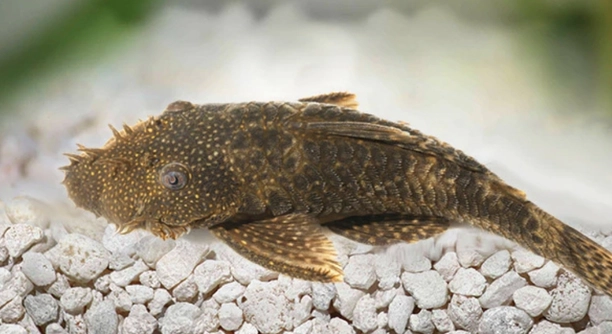
Do you ever find yourself watching your plecostomus and wondering if it’s normal for them to be so still all the time?
Plecostomus fish are often still because they are naturally nocturnal and prefer resting during the day. Their behavior also reflects their role as bottom dwellers who conserve energy while feeding mostly at night.
There are a few key reasons why your pleco may seem motionless, and understanding them can help you care for your fish with more confidence.
Why Your Plecostomus Is So Still
Plecostomus are known for being calm and motionless, especially during the day. This is because they are nocturnal fish that feel safest when hiding in dark, quiet spots. In their natural habitat, plecos spend much of their time attached to rocks or driftwood, scraping off algae. In a tank, they often do the same thing—staying still, blending into their surroundings, and avoiding unnecessary movement. It’s part of their energy-saving nature. They usually become more active at night when the lights are off and the environment is quieter. Some fish keepers may not even notice this nighttime activity unless they check after dark. As long as your plecostomus is healthy, eating, and not showing any signs of distress, being still during the day is completely normal. Tank setup also plays a role—if the lighting is too bright or there aren’t enough hiding spots, your pleco might stay hidden even more.
Your pleco is likely still because it feels safe and comfortable. This resting behavior helps it stay healthy.
If your pleco isn’t moving much but still eats and looks healthy, there’s usually nothing to worry about. Stillness is a natural part of how this species behaves, especially when it feels secure.
When Stillness Might Be a Sign of Trouble
Sometimes, a pleco staying still too long can mean something is wrong.
If your pleco is still for long periods and refuses food, looks pale, or has clamped fins, it might be stressed or sick. Water quality is the most common reason for sudden changes in behavior. Plecos are sensitive to ammonia and nitrate levels, so checking your tank parameters regularly is important. Another issue can be poor oxygen levels—if the tank isn’t well-aerated, the pleco may become sluggish. Look for subtle signs like labored breathing or staying near the water surface. Also, if the tank is too small or overcrowded, your pleco might not feel comfortable enough to move freely. Illnesses such as parasites or infections can also affect their energy levels. Keep an eye on color changes, bloating, or strange marks on the body. If any of these symptoms appear, it’s best to isolate the fish and consult an aquatic vet or experienced aquarist. Acting early helps prevent more serious problems later.
Common Environmental Factors
Poor lighting or lack of proper hiding spaces can cause your pleco to stay hidden and still for most of the day. Bright lights stress them out, and without caves or driftwood, they don’t feel safe enough to move around comfortably.
Tank conditions play a huge role in pleco behavior. If the environment doesn’t match their needs, they often stay motionless. They need hiding spots like driftwood, plants, or specially designed caves. Also, tank mates can affect how relaxed or active they are. If there are aggressive fish in the tank, your pleco may spend most of its time avoiding them. Temperature matters too—if the water is too cold or too warm, they’ll move less. You should aim to keep the tank between 72°F and 78°F. A well-maintained, calm tank helps your pleco feel secure enough to be more active, especially at night.
Noise and vibrations near the tank may also disturb your pleco’s sense of safety. Loud music, sudden movements, or frequent tank tapping can cause stress. Stress usually leads to more hiding and stillness. Even high foot traffic around the tank can be unsettling. Keeping the tank in a quieter location helps reduce this kind of stress. It’s a small change that can make a big difference.
Feeding Habits and Nutrition
Lack of proper nutrition can make plecos more sluggish. If they don’t get enough food or the right type of food, they may stop moving much altogether. This can be mistaken for normal resting.
A pleco’s diet should include more than just algae. Many people think algae alone is enough, but over time this leads to a lack of energy and poor health. Supplement their diet with sinking algae wafers, blanched vegetables like zucchini or cucumber, and occasional protein-rich treats like shrimp pellets or bloodworms. Feeding should be done when the lights are low or off, since they are more active at night. If other fish are eating all the food before your pleco gets to it, try feeding after dark. Overfeeding can also be a problem—it may cause bloating or discomfort. Stick to a consistent feeding schedule and observe how your pleco responds after eating. Small changes can lead to better health and activity.
Natural Behavior Patterns
Plecos are mostly active at night and rest during the day. This behavior is completely normal and part of their natural rhythm. They usually become more lively after the tank lights are turned off or when the room becomes darker.
You may also notice them staying attached to glass or decorations. This is typical behavior, not a sign of sickness. They enjoy staying in one spot for long periods, especially when they feel safe and the tank conditions are right.
Signs Your Pleco Is Comfortable
When your pleco eats regularly, has a full-looking belly, and shows up occasionally during low-light hours, it’s usually doing well. Smooth swimming movements, normal coloring, and time spent on driftwood or the tank glass are also good signs. If the pleco reacts when food is added or shifts positions slowly throughout the day, it’s likely content.
When to Observe More Closely
If your pleco stays in one spot for days and avoids food, something might be wrong. Watch for signs like pale color, clamped fins, or shallow breathing.
FAQ
Why does my pleco hide all day and only come out at night?
This is normal behavior. Plecostomus are nocturnal, which means they rest during the day and become active after dark. In the wild, this helps them avoid predators and stay safe. In your home tank, they follow the same pattern. They feel more comfortable moving around when the lights are low or off. Providing plenty of hiding places like driftwood, caves, or plants helps them feel secure. If they have places to rest during the day, they are more likely to come out during feeding time or after lights go off.
Is it bad if my pleco never moves during the day?
Not necessarily. Stillness is common in healthy plecos, especially during daylight hours. If your pleco eats well, has a healthy color, and looks full-bodied, there’s usually no issue. However, if it refuses food for several days, looks pale or thin, or shows any other signs of stress or illness, then it’s worth checking the water quality, tank size, and feeding habits. Make sure ammonia and nitrite levels are at zero, and that the temperature is in the right range. Slight activity at night is usually enough to show that they are doing fine.
What should I feed my plecostomus if I never see it eat?
Feed sinking foods at night, when your pleco is naturally active. Algae wafers, blanched zucchini or cucumber slices, and sinking pellets are great options. If your tank has other fish that eat everything quickly, wait until lights are off to feed your pleco directly. You can also gently place food near their favorite resting spots. If you wake up to find the food gone or partially eaten, that’s a good sign your pleco is feeding while you’re asleep. Avoid overfeeding, as uneaten food can affect water quality.
Can tank mates make my pleco stay still more often?
Yes. Aggressive or fast-moving tank mates can make plecos feel stressed or unsafe. If they are being chased or constantly disturbed, they may spend more time hiding and less time moving freely. Choose peaceful tank mates that won’t compete for food or space. Keep an eye out for signs of stress, such as darting away quickly when another fish comes near or hiding all day without moving. Giving your pleco a space of its own, like a cave or shaded corner, can help it feel more comfortable and secure.
How do I know if my pleco is sick?
Watch for physical signs like faded color, white patches, bloating, or clamped fins. Labored breathing, lying sideways, or staying near the surface can also mean something’s wrong. A loss of appetite is one of the most common early signs of illness. Check your tank’s water parameters first—many pleco health problems start with poor water quality. If water conditions are fine but symptoms continue, consider isolating your pleco and seeking advice from an aquatic vet or experienced aquarist. Quick action can help your pleco recover faster.
Do plecos need a specific tank setup to stay healthy?
Yes. They need plenty of hiding spots, clean water, and stable conditions. A soft substrate, driftwood, caves, and low lighting help them feel secure. A strong filter is also important since plecos produce a lot of waste. Make sure your tank is large enough—many plecos grow quite big over time. For common plecos, a 75-gallon tank or larger is ideal. Regular water changes and keeping ammonia, nitrite, and nitrate levels in check are key to keeping them healthy. A proper setup supports both their physical health and natural behavior.
Why is my pleco always attached to the same spot?
Plecos often stay in one spot they find safe and comfortable. It could be a favorite hiding place or an area with good algae to graze on. If the tank conditions are good and your pleco is eating and breathing normally, staying in one spot is not a problem. Some plecos are just more laid-back than others. You might notice them shift positions slightly throughout the day. As long as there are no signs of illness, this behavior is usually harmless and completely normal.
Final Thoughts
Watching your plecostomus stay still for hours can be confusing if you’re new to keeping them. But in most cases, this quiet behavior is completely normal. Plecos are not active like some other fish. They move slowly, rest often, and come out mostly at night. Their stillness is part of their natural habits, especially when they feel safe and the tank conditions are right. If your pleco looks healthy, eats, and sometimes moves around when the lights are off, there is usually no reason to worry. Their peaceful nature is one of the things that makes them unique.
Stillness does not always mean something is wrong, but it can be a signal if other signs appear. If your pleco stops eating, shows changes in color, or breathes differently, it’s a good idea to check the tank conditions. Water quality, tank size, lighting, and tank mates all affect how your pleco behaves. A stressed pleco may hide more, eat less, and stay in one place too long. Watching how your pleco acts day to day can help you notice early signs of discomfort. Many problems can be fixed with simple changes like adding hiding spots, adjusting food, or improving water quality.
Plecostomus are quiet fish, but they still need attention and care. A healthy pleco will rest often but still respond to feeding and move around at night. Keeping their environment calm, clean, and well-suited to their needs can help them live a long and healthy life. Every pleco has a slightly different personality—some are shy, some are more active—but all of them need the right setup to thrive. If you take the time to learn their habits and provide for them, you’ll find their calm presence in the tank relaxing to watch. Stillness, in this case, is often just a sign of a content fish.

Hello,
If you enjoy the content that we create, please consider saying a "Thank You!" by leaving a tip.
Every little bit helps us continue crafting quality advice that supports the health, happiness, and well-being of pets around the world, for pets of all shapes, sizes, and species.
We really appreciate the kindness and support that you show us!