
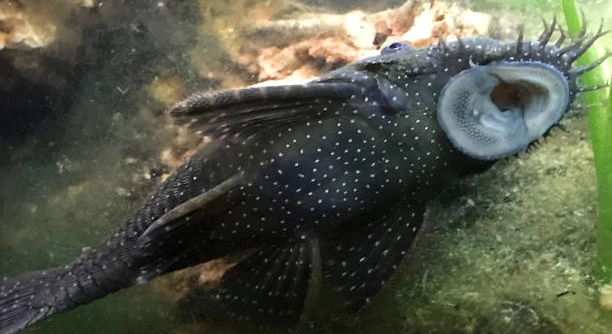
Plecos are popular aquarium fish known for their unique behavior and distinct appearance. Many owners wonder about their intelligence and what their actions reveal about their capabilities. Understanding their behavior can offer insights into their personality.
Plecos are not considered highly intelligent compared to other pets. However, they do exhibit behaviors such as learning routines, recognizing feeding times, and navigating their environment with ease, suggesting a basic level of problem-solving ability.
Their actions and interactions can provide you with valuable insights into how to care for them, making their behavior worth paying attention to.
Pleco Behavior and Problem-Solving Abilities
Plecos display a variety of behaviors that show their ability to solve simple problems. They are not necessarily quick learners, but with time, they can adapt to their environment. In the wild, they are scavengers and may face challenges that require them to find food, avoid predators, and navigate their surroundings. When kept in an aquarium, they often demonstrate curiosity and can learn routines such as recognizing feeding times. Over time, some plecos can even navigate through obstacles or reach food that is difficult to access.
They may not show complex problem-solving skills like some other species, but their ability to adapt is notable. If you’re providing a stable environment with regular feeding times, they will learn to expect food at certain times of the day. The more you interact with them, the more they may respond to your presence.
Their problem-solving abilities are limited, but they are adaptable and can learn basic patterns in their environment. This level of intelligence helps them thrive in the aquarium when their needs are consistently met.
Plecos and Their Environment
Plecos are extremely responsive to changes in their habitat. They rely heavily on environmental cues to understand when it’s time to feed or explore. This adaptability is an important aspect of their behavior.
In an aquarium, plecos will often display their behavior based on what is happening around them. For example, if the water conditions change, they may become more active or retreat to a hiding spot. Their ability to respond to these changes shows that they can recognize patterns. If there’s food in a specific area of the tank, they will often seek it out, displaying memory and awareness of their surroundings.
While they may not interact with humans in the same way as some other pets, their environmental awareness and problem-solving skills help them to survive and thrive in a controlled tank environment. They also learn to navigate obstacles in their space, which indicates a form of cognitive function. The pleco’s ability to adapt and respond to environmental cues is a key feature of their behavior and intelligence.
Plecos and Social Behavior
Plecos are generally solitary creatures, but they can tolerate the presence of other fish in their tank. They usually keep to themselves and prefer to stay in quiet corners, away from other fish. While they are not overtly social, they do not show aggressive behavior unless they feel threatened.
If placed in a tank with other peaceful species, plecos tend to ignore them, focusing more on their environment than social interactions. However, it’s important to ensure they have enough space and hiding spots to retreat to when they need peace. Plecos may engage in mild territorial behavior, especially when it comes to securing a favorite resting spot or food source.
Despite their preference for solitude, plecos do interact with their surroundings. They may explore their environment, climb decorations, or hide in crevices. They tend to come out more during the evening and nighttime, as they are nocturnal. Their social behavior is minimal, but they can coexist peacefully with other non-aggressive species in an aquarium.
Pleco Intelligence and Tank Exploration
Plecos are highly curious creatures, and they explore their environment with purpose. While they don’t show the same problem-solving abilities as some other fish, their curiosity is notable. They tend to investigate new objects, tank decorations, or any changes in their surroundings. This behavior is often mistaken for intelligence.
When a new object is placed in the tank, plecos will immediately start exploring it, using their sense of touch and sight to investigate it. This is a sign of their curiosity and desire to understand their space. Their exploration habits can also include interacting with other items like plants, rocks, and caves within the tank.
Despite this exploration, plecos do not demonstrate a high level of learning from their interactions. They will repeat the same actions, such as approaching food in the same manner, without adjusting their approach to the environment. This means their exploration is more about satisfying their curiosity rather than learning or adapting to complex situations.
Plecos and Feeding Behavior
Plecos are known for their grazing habits and often feed on algae and leftover food in the tank. They are bottom dwellers, frequently foraging on the tank floor. Their feeding routine is simple and mainly focused on finding food at the bottom or attached to surfaces.
Although plecos are known for consuming algae, they also rely on supplemental feeding. Commercial pleco pellets, vegetables like zucchini, and occasional protein-based foods can be offered. They will generally feed throughout the day but become more active during the evening. Their feeding habits are consistent and driven by instinct rather than complex learning.
It’s important to ensure plecos are provided with a varied diet to support their health. While algae is their primary food source, offering vegetables like cucumber or spinach can give them the nutrients they need. Their ability to find food on their own makes them relatively low-maintenance when it comes to feeding.
Plecos and Tank Maintenance
Plecos play a helpful role in maintaining a clean tank. They consume algae that naturally grow on tank surfaces, reducing the need for constant cleaning. However, they still require proper care and attention from their owners.
While plecos help with algae control, they don’t eliminate the need for regular tank maintenance. Tank owners still need to clean the substrate, water, and other areas that plecos don’t access. However, their feeding habits can keep algae from becoming overgrown, helping maintain a healthier environment for other fish.
FAQ
Are plecos smart?
Plecos are not considered highly intelligent when compared to other pets. Their cognitive abilities are quite basic. They exhibit simple behaviors such as learning feeding times and recognizing familiar environments, but they don’t solve complex problems or interact with humans in the way more social animals do. They do have some memory, which helps them adapt to routines and find food, but their intelligence is limited to these basic patterns. They aren’t the type of fish that will learn tricks or respond to commands like some other animals.
How can I tell if my pleco is happy?
A happy pleco can usually be seen swimming freely, exploring the tank, and foraging for food. They are known to be nocturnal, so don’t be alarmed if they are more active during the evening. If your pleco spends most of its time hiding, it could be a sign of stress or poor water conditions. A healthy pleco will also have a good appetite and will interact with its environment, such as grazing on algae and exploring new objects or tank features. The pleco’s behavior and activity levels can indicate its overall well-being.
How often should I feed my pleco?
Plecos should be fed daily, but the amount and type of food can vary. They are primarily herbivores and will graze on algae, so if your tank has a good amount of natural algae growth, they might not need additional feeding every day. However, it’s a good idea to supplement their diet with algae wafers, zucchini, or cucumber to ensure they are getting a balanced diet. Feeding should be adjusted based on the size of your pleco and the amount of algae in the tank. Be careful not to overfeed, as uneaten food can deteriorate water quality.
Why does my pleco hide so much?
Hiding is a common behavior for plecos, especially during the daytime, as they are nocturnal. They prefer to stay in dark areas, such as caves, crevices, or beneath plants. If your pleco hides all the time, it might indicate stress, poor water quality, or an unsuitable environment. Make sure your pleco has a well-maintained tank with places to hide and that the water conditions are optimal. However, if your pleco is eating, exploring at night, and coming out occasionally, there’s likely no need for concern.
Do plecos need a tank with other fish?
Plecos are generally solitary fish and don’t require the company of other fish. In fact, they can sometimes become territorial, especially when they find a favorite spot in the tank. However, they usually coexist peacefully with other non-aggressive fish. It’s important to make sure your pleco has enough space in the tank and places to hide. If you have other fish in the tank, make sure they are compatible with plecos and that no fish is harassing your pleco. Overcrowding or incompatible tank mates can lead to stress for your pleco.
Can plecos live with aggressive fish?
Plecos generally do not do well with aggressive fish. Their peaceful nature and slow-moving behavior can make them vulnerable to more dominant tank mates. Aggressive fish may chase or nip at plecos, which can lead to stress and health problems. If you’re planning to keep plecos with other fish, ensure the species are peaceful and similar in temperament. It’s also a good idea to provide hiding spots and territories where your pleco can retreat to feel safe.
How big do plecos get?
The size of a pleco depends on the species. The most common pleco species in aquariums, the Bristlenose Pleco, grows to around 4 to 5 inches. However, some larger species, like the Common Pleco, can grow up to 24 inches long. It’s important to research the specific species of pleco you own to understand its growth potential and ensure that your tank is large enough to accommodate it as it grows. Larger plecos need bigger tanks with proper filtration, as they produce more waste.
What water conditions do plecos need?
Plecos are quite hardy when it comes to water conditions, but they still require clean, well-maintained water to thrive. The water temperature should range between 72°F to 82°F (22°C to 28°C). They prefer slightly acidic to neutral water with a pH range of 6.5 to 7.5. Good filtration is essential as plecos can produce a lot of waste, which can quickly degrade water quality. Regular water changes and tank maintenance are necessary to keep your pleco healthy. Be sure to monitor ammonia, nitrite, and nitrate levels to prevent any harmful build-ups.
How long do plecos live?
Plecos are relatively long-lived fish. On average, they can live anywhere from 10 to 15 years, depending on the species and care they receive. Providing a stable and clean environment, a proper diet, and regular tank maintenance can help your pleco reach its full lifespan. Larger plecos tend to live longer than smaller species, with some even reaching 20 years in ideal conditions. Regular health checks and attention to their needs can help ensure a long and happy life for your pleco.
Do plecos need a special diet?
While plecos are primarily herbivores, they do benefit from a varied diet to stay healthy. In addition to algae, plecos enjoy vegetables like zucchini, cucumber, and spinach. They can also be fed commercial pleco pellets and wafers. Occasionally, you can offer protein-rich foods like bloodworms or shrimp. A balanced diet will help keep your pleco healthy and active. Avoid feeding too much protein, as it can lead to health issues like bloating. Feeding your pleco a range of plant-based foods along with algae will mimic their natural diet and help them thrive.
Can I keep multiple plecos together?
It is generally not recommended to keep multiple plecos of the same species in a small tank, as they can become territorial. They may fight for space, food, and hiding spots, which can lead to stress or injury. However, in larger tanks with plenty of hiding places, multiple plecos can coexist peacefully. It’s best to introduce them at the same time and ensure the tank is large enough to give them space. Keep in mind that different pleco species have different temperaments, so it’s important to research compatibility before adding multiple plecos to the same tank.
Final Thoughts
Plecos are fascinating creatures that can add both beauty and functionality to your aquarium. While they might not be the most intelligent of pets, their unique behaviors and the role they play in keeping tanks clean make them valuable additions. They are relatively low-maintenance, requiring simple care routines like regular feeding and water quality management. Though they may not interact with their owners in the same way other pets do, their peaceful nature and ability to adapt to tank conditions make them enjoyable to watch. Observing their nightly activities and feeding habits can be quite rewarding, especially when you provide them with a good environment.
It’s important to understand that plecos are not particularly social and prefer to keep to themselves. They can thrive in tanks with other peaceful species, but they need space to avoid territorial disputes. Their nocturnal habits mean they will likely be more active during the night or in the darker parts of the tank, which is completely normal. Providing them with hiding spots and making sure the water quality remains high are key factors in keeping them healthy and content. Though they may spend a lot of time hiding, it’s a natural part of their behavior, and they often feel safer in these dark, quiet spots.
Ultimately, keeping a pleco involves providing a stable, well-maintained environment where they can grow and thrive. While they may not seek human interaction like other pets, their ability to contribute to the health of your aquarium by controlling algae and their fascinating behaviors are worth appreciating. By offering a varied diet, monitoring tank conditions, and respecting their space, you can ensure a long and healthy life for your pleco. Their simple yet intriguing nature makes them a great addition for anyone looking to enhance their tank without the need for overly demanding care routines.

Hello,
If you enjoy the content that we create, please consider saying a "Thank You!" by leaving a tip.
Every little bit helps us continue crafting quality advice that supports the health, happiness, and well-being of pets around the world, for pets of all shapes, sizes, and species.
We really appreciate the kindness and support that you show us!