
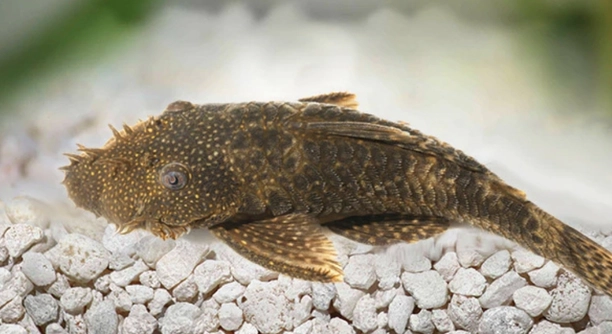
Do you ever find yourself watching your pleco and wondering if it can actually recognize patterns in your daily routine?
Plecos are capable of learning simple routines, especially those related to feeding times and environmental cues. Through repetition and consistent interaction, they can associate specific actions with expected outcomes, demonstrating a basic form of learning.
Understanding how plecos respond to routines can help you create a more predictable and stress-free environment for them.
How Plecos Show They’ve Learned a Routine
Plecos often show signs of routine learning through their behavior, especially during feeding. If you feed your pleco at the same time every day, it may start to become more active around that time. Some plecos will even come out from hiding when they sense someone approaching the tank, especially if that’s followed by food. This behavior suggests they’ve connected your presence or certain movements with feeding. These signs may seem small, but they show how plecos adjust and respond to predictable patterns. Changes in tank lighting, water changes, or other daily care routines can also become signals they react to. Over time, this creates a basic form of understanding for them. It’s not advanced thinking, but it does show they recognize patterns and respond to consistency. If you change the routine, they might seem less active or confused, which further proves how much they rely on learned timing.
Plecos often act differently before feeding, sometimes swimming to the front or becoming less shy. This signals recognition of the routine.
Repetition is key. Like many animals, plecos don’t learn quickly, but steady patterns help. When feeding and care happen regularly, they learn to expect and respond to those moments. This shows a limited but clear ability to adapt.
What Influences Their Learning
Tank environment, feeding habits, and consistency all shape how well a pleco can learn routines. Without steady patterns, learning doesn’t happen.
The type of pleco, age, and how often you interact with it can influence how easily it learns. Bristlenose plecos, for example, tend to be more visible and active than some larger, more secretive types. Younger plecos may adapt faster, but older ones can still respond with enough repetition. How often you feed, clean the tank, or adjust the lights matters too. Random changes confuse them, but repeated actions teach them what to expect. Even simple steps, like always turning on the light before feeding, can help create an association. A quiet, stable environment supports learning more than a tank with constant movement or changes. While plecos don’t have complex problem-solving abilities, they still recognize regular care patterns and respond to them. This makes routine important, especially if you want to keep them active and less stressed.
How You Can Help Your Pleco Learn
Using the same feeding time each day helps your pleco recognize patterns. Try to keep other routines like tank cleaning or light changes consistent as well. A stable schedule builds familiarity and encourages a stronger response from your pleco over time.
Feeding in the same spot can make a difference. Plecos will begin to associate that part of the tank with food, especially if it always arrives in the same place. This creates a strong habit over time. Avoid feeding at random times or moving food around too much. Even simple actions like opening the tank lid or tapping lightly before dropping food can become part of the routine they understand. These cues help them link certain moments to food or activity. Be patient—plecos learn slowly, and it may take several days or even weeks for these associations to become obvious in their behavior.
Light changes are also helpful tools. Turning on a light right before feeding can act like a signal over time. Your pleco may not respond right away, but with consistency, it may begin to stir or move toward its feeding area. If you also turn the lights off at the same time each night, it teaches them what to expect throughout the day. Over time, this structure helps reduce stress and improves their overall behavior. Keeping tank decorations in the same place and limiting loud movements around the tank also support this learning. It’s all about giving your pleco a stable environment to connect routine with action.
What to Avoid While Training
Avoid switching feeding times too often. Sudden changes can confuse your pleco and break any progress you’ve made. Try not to rearrange the tank frequently, as this may unsettle them and cause stress-related hiding.
Don’t expect fast progress. Plecos are slow learners, and they might not react right away. Repeating the same steps daily will lead to the best outcome. Avoid overfeeding to get their attention—this can cause health problems and doesn’t speed up learning. Be careful with distractions like loud noises or quick hand movements near the tank. These can undo some of the calm, steady responses you’re trying to build. Try not to mix up feeding tools or change where you drop food. Keep each part of the routine clear and predictable. It’s tempting to try shortcuts, but patience is more effective. A calm tank with steady routines is the best environment for helping your pleco learn and feel secure.
Common Signs Your Pleco Recognizes a Routine
You may notice your pleco becomes more active at feeding times, swimming out from its hiding spot or hovering near the food area. These small changes in behavior usually mean it’s expecting something it has learned to associate with your actions.
Another sign is if it reacts to tank lights turning on or off. Over time, plecos can connect light changes with specific events like feeding or rest. If your pleco starts moving when the light comes on, that’s a good indicator of routine recognition.
How Long It Might Take
Most plecos don’t show signs of learning right away. It usually takes at least a couple of weeks for them to respond to repeated patterns. Some may take longer, especially if they’re shy or if their environment changes often. Consistency matters more than speed. Feeding them at the same time, using the same tools, and keeping your approach calm will help. Avoid switching up your schedule, as this can set back any progress. It’s easy to think nothing is happening at first, but slow improvement is normal. Eventually, you’ll start to notice small signs—more activity during feeding hours or a shift in where they hang out in the tank.
Are Some Plecos Quicker to Learn?
Smaller, more active species like bristlenose plecos often respond faster to routines. Larger or more reclusive types may take longer to show visible changes. Age, personality, and tank setup also affect how quickly they adjust.
FAQ
Can plecos remember people or specific actions?
Plecos are not known for recognizing individual people, but they can learn to respond to repeated actions. If you’re the one who always feeds them, they may associate your presence with food. This can make them come out more when you’re nearby. They are reacting to routine, not your face. Their memory works through simple pattern recognition. Over time, they might even link the sound of the lid opening or a shadow over the tank with food or care routines.
How long should I keep the routine before expecting results?
It’s best to stick to a steady routine for at least two to three weeks before expecting any noticeable change. Some plecos may react a little sooner, while others might take over a month. What matters most is keeping things predictable. Feeding, lighting, and tank maintenance should all follow a steady pattern. Sudden changes can delay learning and confuse your pleco, especially if it’s already shy or easily stressed.
Do all plecos show the same learning behavior?
Not all plecos behave the same. Species, size, age, and temperament play a role. For example, bristlenose plecos are generally more active and social, which can make them easier to observe during training. Larger plecos, like common or sailfin types, tend to be more reserved. Young plecos may adapt more quickly, while older ones can be slower but still capable of learning. Some plecos just have a more relaxed nature and may show only subtle signs of routine recognition.
Is it harmful if I forget to stick to the routine?
Missing a feeding time or changing a routine once in a while isn’t harmful, but frequent changes can affect your pleco’s behavior. They rely on stable patterns to feel secure. If you’re inconsistent, they may hide more often, eat less, or seem less active. It’s okay if your schedule shifts sometimes, but try to get back to a steady routine quickly. A calm, predictable environment helps support your pleco’s health and learning.
Can I train my pleco to do tricks or come when called?
Plecos can’t be trained like dogs or even goldfish. They don’t respond to names or gestures. However, they can learn to associate signals—like tapping on the glass or turning on a light—with feeding. These are basic associations, not tricks. You can shape their behavior a bit by being consistent with these cues. Still, don’t expect anything flashy. Their learning is simple and slow, based mostly on routine and repetition.
Why is my pleco not responding to the routine at all?
There could be a few reasons. It may be new to the tank and still adjusting. If the environment is noisy or the tank is moved often, your pleco may feel unsafe. Stress and illness can also affect behavior. Make sure your tank setup is stable and that you aren’t overfeeding or handling the tank too much. Give it more time and keep your schedule steady. Some plecos are just slower to show changes, especially if they’re naturally shy.
Does tank size affect their ability to learn?
Tank size mainly affects comfort and behavior. A pleco kept in a tank that’s too small may become stressed, which makes learning harder. A proper tank size lets them move freely and find hiding spots, which lowers stress and supports natural behavior. This makes them more likely to observe and react to routines. While tank size doesn’t directly affect memory, a stable and appropriate space helps them settle into a pattern more easily.
Final Thoughts
Plecos are not highly intelligent animals, but they can still learn simple routines. Their ability to remember patterns like feeding times or tank light changes shows a basic form of learning. While they won’t do tricks or respond to their name, they can become more active and alert during familiar moments. This kind of behavior helps fish owners build a better care routine and keeps the pleco more comfortable in its environment. A steady daily rhythm helps them feel safe, and that safety plays a big part in how they act and respond. For people who enjoy observing their fish, watching these slow changes can be a rewarding experience.
Keeping things consistent is the most important part. Feeding at the same time, turning lights on or off regularly, and handling tank care in a calm, predictable way makes a big difference. Even though results can be slow, most plecos will respond to these actions eventually. Some may only change a little, while others might become more visible and active when they sense something familiar. A quiet tank with few changes and low stress will always support better behavior and learning. That means giving your pleco the space and time it needs to adjust, without rushing the process or switching things up too often.
Not all plecos will react the same, and that’s okay. Some species are more active and open to change than others. Age, health, and tank conditions can all affect how well a pleco learns routines. It’s important not to expect too much too fast. These fish are quiet and slow-moving by nature, and their learning reflects that pace. But when given a stable space and a regular pattern, even the shyest plecos can show signs of recognition. This simple form of learning helps them stay calm and healthy. In the end, helping your pleco learn routines is more about creating a steady home than teaching it something complex. It’s a small way to connect with your fish and support its well-being over time.

Hello,
If you enjoy the content that we create, please consider saying a "Thank You!" by leaving a tip.
Every little bit helps us continue crafting quality advice that supports the health, happiness, and well-being of pets around the world, for pets of all shapes, sizes, and species.
We really appreciate the kindness and support that you show us!