
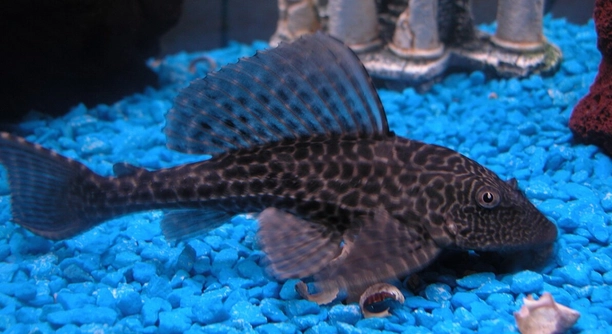
Plecos are popular aquarium fish known for their peaceful nature and algae-eating habits. Many fish owners enjoy keeping these unique creatures in their tanks. However, like all pets, plecos have specific needs and sensitivities.
Plecos can be sensitive to loud noises, especially those that disrupt their environment. Sudden or persistent noises can cause stress, which may affect their health and behavior. It is essential to maintain a quiet, calm setting for their well-being.
Creating a serene tank environment is crucial for keeping your plecos happy and healthy. By understanding how sound affects them, you can ensure they thrive in their home.
How Loud Noises Impact Plecos
Plecos, being bottom-dwelling fish, prefer calm environments. Loud noises, like the sound of a vacuum or heavy traffic, can cause them to feel stressed and anxious. These fish are sensitive to vibrations, which can lead to erratic swimming patterns or a decrease in appetite. When a pleco is stressed, it might also hide more often or show signs of physical discomfort. Keeping the environment around their tank peaceful is essential for their overall health.
When you add noise to their environment, it disrupts their sense of safety. Plecos are naturally drawn to quiet, stable surroundings. Prolonged exposure to loud sounds can make them uneasy, leading to behavioral changes or illness.
In the wild, plecos are found in calm rivers and streams, so they are adapted to peaceful, undisturbed habitats. High-pitched sounds or continuous loud noises can be overwhelming for them. Ensuring minimal noise in your home will help prevent these issues. If you have loud appliances or children running around, consider placing the tank in a quieter area of your house. A more peaceful space ensures plecos can feed properly and maintain a natural, healthy routine.
How to Reduce Stress for Plecos
The best way to protect your plecos from loud noises is to place their tank in a quiet spot.
To reduce stress, avoid placing your pleco tank near areas with high foot traffic or where loud machines are frequently used. If the noise level in your home is unavoidable, using tank covers or soundproof materials around the tank may help. Additionally, providing hiding spaces like caves or plants gives your plecos somewhere to retreat when they feel threatened.
Signs of Stress in Plecos
Stress in plecos can show up in various ways. Common signs include erratic swimming, hiding more than usual, or reduced eating. If your pleco seems lethargic or stops coming out to feed, it may be reacting to stress from loud noises.
A pleco might also start rubbing itself against objects in the tank if it’s feeling stressed. This behavior is a sign that the fish is trying to relieve discomfort. Constantly hiding, especially in places that are dark or tight, also indicates anxiety. These symptoms can worsen over time if the noise issue is not addressed.
Plecos rely on a calm environment to thrive. If loud sounds are affecting them, you might notice them swimming in circles or becoming more skittish than usual. This can lead to long-term health issues if not corrected. Even if the noise isn’t constant, its presence can cause lingering stress. Keeping an eye on these behaviors can help you determine if your pleco needs a quieter space.
Creating a Quiet Environment
To protect your pleco from stress, it’s essential to create a quiet environment. Reduce sudden noise around the tank, like slamming doors or loud conversations.
You can also add soft tank decorations like plants and caves, which help absorb sound. These elements not only offer a hideout for the pleco but also reduce the impact of external noises. If your tank is located near a high-traffic area, consider relocating it to a quieter part of your home. A calm and peaceful setting is key to maintaining the health and well-being of your plecos.
The Importance of Water Quality
Water quality plays a significant role in your pleco’s overall health. Stress caused by loud noises can be worse if the water conditions are poor. Always ensure the tank has clean, filtered water to help your pleco recover from stress.
Inadequate water quality can make plecos more susceptible to illness, especially when they are already stressed by external factors like noise. Regular water changes and monitoring of pH levels, ammonia, and nitrate concentrations will provide a healthier environment for them. Keep your tank properly maintained to prevent any additional stressors on your pleco.
Tank Lighting and Its Effect on Plecos
Plecos are sensitive to light levels in their tank. Too much light can increase stress, especially when combined with loud noises. Since they prefer darker, quieter environments, the tank lighting should mimic their natural habitat.
If your pleco is stressed, try reducing the brightness of the tank lights. This simple change, along with minimizing noise, can help them feel more secure. Plecos thrive in dimmer settings, and providing a nightlight or keeping lights on a timer can help regulate their environment. Too bright of a tank can make them feel exposed and unsafe.
Other Stressors to Avoid
Other stressors to avoid include sudden changes in temperature or tank water chemistry. These factors, when combined with loud noises, can further stress your pleco. Keeping a consistent and stable environment will help prevent these issues from arising.
FAQ
Are plecos sensitive to high-pitched noises?
Yes, plecos are sensitive to high-pitched noises, as their hearing is tuned to detect vibrations in their environment. Loud, sharp sounds can cause stress. While they don’t hear noises the same way humans do, they can still feel the vibrations through the water, which affects their behavior. It’s best to keep the environment around them quiet to ensure they feel safe and secure. If you notice your pleco becoming restless or hiding more often, high-pitched noises may be the cause.
Can plecos tolerate loud noises for a short time?
Plecos may tolerate brief, occasional loud noises without significant harm, but frequent or sudden loud sounds will stress them over time. These fish are naturally accustomed to calmer conditions, and even short bursts of loud noise can disrupt their peaceful nature. It’s important to minimize loud disruptions near their tank for their well-being, especially if they show signs of stress. Consistent quiet is crucial to keeping your pleco healthy.
How can I tell if my pleco is stressed from noise?
A stressed pleco may exhibit several signs, including erratic swimming, hiding more often, or reducing its food intake. If you notice your pleco darting around the tank or swimming in circles, it’s a clear indication that something in its environment is bothering it. In addition, stress can lead to changes in coloration or slower movements. Keeping an eye on these behaviors will help you identify if the stress is related to noise, and prompt corrective action.
Can noise affect plecos’ eating habits?
Yes, loud noises can affect your pleco’s appetite. If they feel stressed or frightened by the noise, they may not want to eat. Plecos are bottom-dwelling fish that feed primarily at night or during low activity periods. Excessive noise can make them hesitant to come out and eat, which can lead to malnutrition if it persists. Providing a quiet, stable environment encourages healthy feeding habits and reduces stress-related appetite loss.
Is it okay to have a pleco in a noisy room?
A noisy room is not the ideal environment for a pleco. They thrive in quiet, calm settings where they can feel safe and secure. If your pleco is placed in a noisy area, such as a room with heavy foot traffic or constant loud sounds, it can cause stress. This can lead to behavioral changes, such as excessive hiding or a decrease in overall health. Moving your pleco to a quieter room with less disturbance will improve its quality of life and help prevent stress-related issues.
Can plecos get used to loud noises over time?
Plecos may become somewhat accustomed to consistent noises over time, but their sensitivity to loud sounds is still likely to remain. While they may tolerate mild or familiar noise levels, sudden loud sounds can still trigger stress responses. Over time, though, they may become less reactive to consistent, low-level noises. It’s important to monitor their behavior and make adjustments if you notice signs of ongoing stress.
What are the best ways to reduce noise around my pleco tank?
To reduce noise around your pleco tank, consider placing the aquarium in a quieter part of the home. Keep the area free of loud appliances or sources of sudden noise, like vacuum cleaners or loud music. You can also add soft materials like tank covers or soundproofing around the tank to minimize external noise impact. Additionally, providing plenty of hiding spaces inside the tank, like caves or plants, gives your pleco a sense of safety and comfort during noisy moments.
Does having a lid on the tank help reduce noise?
A lid on the tank can help reduce the impact of some outside noises, but it’s not a complete solution. It can slightly muffle sounds, but it’s not enough to eliminate the stress caused by loud noises. The best way to protect your pleco is to address the source of the noise directly. If a lid is used, it’s important to ensure proper ventilation and airflow to maintain water quality, as excessive heat buildup can harm the pleco in other ways.
How can I tell if my pleco is hiding because of noise?
If your pleco is hiding more than usual, it could be due to the noise in the environment. Plecos naturally enjoy darker, more secluded spaces, but excessive hiding can be a sign of stress caused by loud sounds. Pay attention to when the hiding behavior occurs. If it coincides with times of loud noise, it may be related. If your pleco continues to hide for long periods, consider reducing noise levels in the area to make it feel more secure.
Can I reduce stress for plecos in a tank with other noisy fish?
If you have a tank with other noisy fish, it can be challenging to keep the pleco calm. Some fish are naturally more active and can create vibrations that affect the pleco. In this case, try adding more hiding spots or plants in the tank, as these can give the pleco a sense of security. If possible, reduce the number of active fish or place the tank in a quieter location to limit external stressors.
How often should I check on my pleco to ensure it’s not stressed?
Regularly observing your pleco is essential to ensure it’s not stressed. Check on your pleco daily for signs of stress, such as changes in swimming behavior, appetite, or hiding patterns. Monitoring your pleco helps you identify potential stressors early, so you can take action to reduce noise or improve water conditions. Healthy plecos should be active, have a good appetite, and swim normally without signs of distress.
Final Thoughts
Plecos are sensitive creatures that thrive in calm, stable environments. Noise, especially loud or high-pitched sounds, can cause them stress and affect their overall well-being. While occasional noise might not have a lasting impact, regular exposure to loud sounds can lead to noticeable changes in their behavior. Stress from noise can manifest in many ways, including erratic swimming, hiding more often, and a loss of appetite. These signs are your pleco’s way of telling you that something in its environment is disturbing it. Understanding these signs is the first step in ensuring your pleco remains healthy and happy.
Creating a peaceful environment for your pleco is key to its health. You don’t need to eliminate all sounds in your home, but reducing sudden, loud noises can make a big difference. Consider placing the tank in a quieter area of your home, away from high-traffic zones or noisy appliances. Adding soft decorations like plants or caves in the tank not only enhances the pleco’s environment but can also help absorb some noise. These simple changes can provide your pleco with a more comfortable, stress-free living space.
In addition to noise, remember that water quality and tank maintenance play a significant role in your pleco’s health. Even the calmest environment can’t fully compensate for poor water conditions. Regular water changes, proper filtration, and monitoring of pH and temperature levels should always be part of your care routine. By keeping noise levels in check and ensuring your pleco’s environment remains stable and clean, you can help it lead a long and healthy life.

Hello,
If you enjoy the content that we create, please consider saying a "Thank You!" by leaving a tip.
Every little bit helps us continue crafting quality advice that supports the health, happiness, and well-being of pets around the world, for pets of all shapes, sizes, and species.
We really appreciate the kindness and support that you show us!