
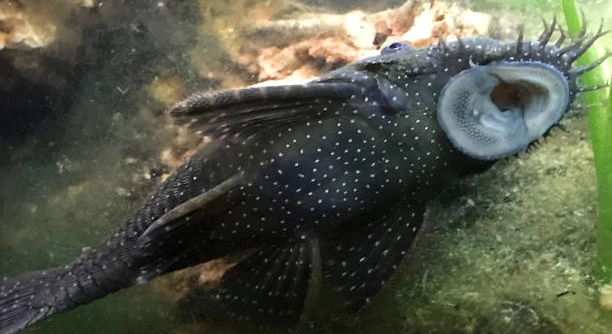
Plecos are a popular choice for aquarium enthusiasts, known for their algae-eating habits and peaceful nature. These fish are typically low-maintenance but have some behaviors that aquarium owners need to consider. One question many ask is whether plecos are prone to jumping out of their tanks.
Plecos are not generally prone to jumping, but certain conditions can make them more likely to attempt an escape. A cramped tank, poor water quality, or inadequate tank cover can increase the likelihood of a pleco jumping.
Understanding the potential risks can help ensure your pleco stays safe and comfortable in its home. By taking a few simple precautions, you can minimize the chances of any unexpected jumps.
Why Do Plecos Jump?
Plecos may seem calm, but they are naturally curious creatures. When a pleco jumps, it is usually a sign of stress or discomfort. Factors like poor water quality, overcrowded tanks, or improper tank setup can make them feel insecure. Plecos also need space to move and explore, so they may jump when they feel confined. This behavior is often linked to an attempt to find a better environment or escape from stressful conditions.
Plecos will typically jump if they are feeling unsafe or confined. This is not a common behavior, but it can occur in certain circumstances. Keeping your pleco in a proper tank with the right conditions reduces the likelihood of this happening.
A tank that is too small or lacks hiding spots can cause stress, leading to potential jumping. Additionally, an improperly covered tank can create an opportunity for a pleco to leap out. To prevent this, make sure your tank is the right size and that the water quality is optimal. Providing adequate hiding spots for your pleco will also help it feel secure and reduce the chances of jumping.
How to Prevent Plecos from Jumping
To keep your pleco from jumping, you need to create a secure, comfortable environment for it. Proper tank size, water quality, and hiding spaces will reduce stress.
One of the most effective ways to prevent plecos from jumping is to ensure the tank is large enough. A cramped tank creates a stressful environment where plecos may feel trapped. Larger tanks allow for more movement and provide ample space for them to feel secure. Additionally, maintaining good water quality is essential. Regular water changes and monitoring water parameters like temperature and pH can help keep your pleco calm.
Another important factor is providing plenty of hiding spots. Plecos are bottom-dwelling fish, so they appreciate having places to hide where they feel safe. Rocks, driftwood, and plants can be used to create these hiding spots. Having these structures in place not only helps your pleco feel secure but also reduces its urge to escape the tank. With the right tank setup and care, your pleco will be much less likely to attempt jumping.
Tank Size and Space Requirements
The size of your tank plays a significant role in preventing jumping. Plecos need plenty of space to feel comfortable. A tank that’s too small can cause stress, increasing the chance of escape attempts.
A pleco can grow quite large, and it requires room to swim and explore. A small tank restricts its movement and can make it feel trapped. For most pleco species, a tank of at least 75 gallons is recommended, though some may need even more space. Ensuring a larger environment will give your pleco enough room to grow and reduce stress.
In addition to the physical space, having a spacious tank allows for proper filtration and water circulation. Stagnant water can lead to poor water quality, which can stress out your pleco. A larger tank allows for better water movement and easier maintenance, further supporting a healthier environment for your fish.
Water Quality and Plecos
Water quality is essential in keeping plecos comfortable and minimizing jumping. Poor water conditions can cause stress, making them more likely to jump out.
To maintain good water quality, regularly monitor the levels of ammonia, nitrites, and nitrates. These chemicals can build up quickly, especially in smaller tanks, and can stress your pleco. Proper filtration is key to keeping these levels in check. A good filter will help keep the water clean and remove excess waste.
In addition to chemical balance, the temperature should be stable. Plecos are tropical fish and prefer warmer water, typically between 74°F and 80°F. Sudden changes in water temperature can cause shock, leading to stress and possible jumping behavior. Make sure your heater is reliable, and use a thermometer to monitor the tank’s temperature regularly.
Proper Tank Covering
An uncovered tank is one of the easiest ways for your pleco to escape. It’s crucial to use a secure lid to keep your pleco safe. Without it, your pleco might find its way out.
Make sure the cover fits tightly and is difficult for your pleco to move or dislodge. Some plecos, especially larger species, are stronger than they appear and may push off a loose cover. Also, ensure there are no gaps for them to slip through. A well-fitted lid helps prevent any chance of a jump, ensuring your pleco stays in its safe space.
Hiding Spots and Tank Decorations
Providing hiding spots in the tank can help reduce your pleco’s stress. Plecos feel safer when they have places to retreat.
Using rocks, driftwood, and plants gives your pleco areas to hide and rest. This helps your pleco feel more secure in its environment, reducing the urge to jump. In the wild, plecos are bottom dwellers that seek shelter in crevices and caves. Recreating this environment in your tank is essential for their wellbeing. Proper decorations provide not only a safer space but also an interesting and stimulating environment that encourages natural behaviors.
Tank Mates
Tank mates can impact your pleco’s behavior and overall comfort. When choosing fish, consider species that won’t stress your pleco out.
Plecos are generally peaceful but may feel threatened by aggressive or overly active tank mates. Territorial species can provoke stress, which may increase the likelihood of your pleco jumping. It’s important to pair your pleco with calm, non-aggressive fish that won’t compete for space or resources. Researching compatible species ensures a harmonious environment where your pleco feels secure enough to stay within the tank.
FAQ
Can plecos jump out of a tank?
Yes, plecos can jump out of a tank, though it is not common. This behavior typically happens when they feel stressed, cramped, or unsafe. An uncovered tank, poor water quality, or a lack of hiding spots can make plecos more likely to attempt an escape. Ensuring a secure tank setup is key to preventing jumping.
What size tank does a pleco need to avoid jumping?
To avoid stress and minimize the risk of jumping, plecos need a spacious tank. For most species, a minimum of 75 gallons is recommended. A larger tank provides ample space for movement and proper water filtration, both of which help keep plecos calm and prevent them from feeling confined.
How do I know if my pleco is stressed?
Stress in plecos can be indicated by a few behaviors. If your pleco is constantly hiding, not eating, or attempting to escape, it could be stressed. Changes in coloration, lethargy, and abnormal swimming patterns are also signs of stress. Ensure proper tank conditions and keep an eye on your pleco’s behavior for any signs of discomfort.
What should I do if my pleco keeps trying to jump?
If your pleco is attempting to jump, first check the tank conditions. Make sure the water quality is optimal, the tank is large enough, and there are plenty of hiding spots. Additionally, ensure the tank is securely covered. If these conditions are met and jumping continues, it may be worth checking for compatible tank mates, as aggressive or overly active fish can contribute to stress.
Why does my pleco stay at the top of the tank?
A pleco staying at the top of the tank could be a sign of poor water quality, especially low oxygen levels. Plecos are bottom dwellers, so spending too much time at the top can indicate that they are struggling to breathe properly. Check the water parameters and ensure proper filtration. If the tank’s oxygen levels are low, consider adding an air stone or improving water circulation.
Are plecos aggressive towards other fish?
Most plecos are peaceful and not aggressive. However, they can sometimes become territorial, especially when they feel crowded or stressed. Larger species might also show dominance if they’re housed with other bottom-dwelling fish. To avoid aggression, ensure your pleco has enough space and hiding spots, and choose tank mates that are calm.
Can plecos live with other bottom-dwelling fish?
Plecos can live with other bottom-dwelling fish, but it depends on the species. Some plecos are more territorial than others, especially larger species. When selecting tank mates, consider the size and temperament of the other fish. Peaceful species that don’t compete for the same resources will work best with plecos.
How often should I change the water for my pleco?
Water changes should be done regularly to maintain healthy tank conditions. For a tank with a pleco, aim for a 20-30% water change every 1-2 weeks. If you have a larger pleco or a tank with many fish, you might need to do more frequent water changes. Regular water changes help prevent the buildup of harmful chemicals and maintain water quality.
Can plecos live in cold water?
Plecos are tropical fish and require warm water to thrive. Their ideal temperature range is between 74°F and 80°F. Cold water can stress plecos, lower their immune system, and make them more susceptible to diseases. Always monitor the temperature in your tank and use a reliable heater if necessary to maintain a consistent warm environment.
Do plecos need a filter?
Yes, plecos need a filter to maintain good water quality. Plecos are messy eaters, and their waste can quickly build up in the tank, leading to poor water conditions. A good filtration system helps keep the water clean and provides proper circulation. Make sure the filter is appropriately sized for your tank to ensure the best water quality.
What type of decorations are best for plecos?
Plecos enjoy having decorations like rocks, driftwood, and plants in their tank. These provide hiding spots and help mimic their natural habitat. Driftwood is especially important for plecos, as it can help with their digestion. Ensure the decorations are safe and provide enough space for the pleco to swim and explore.
How can I tell if my pleco is healthy?
A healthy pleco will have smooth skin, clear eyes, and a strong appetite. It should be active and regularly grazing on algae or food. Signs of illness include faded coloration, swollen body parts, or abnormal swimming. If you notice any of these symptoms, check your tank’s conditions and consult a vet if necessary.
Why does my pleco have white spots?
White spots on your pleco may indicate a parasitic infection, such as ich. This condition causes small, white cysts to appear on the skin and fins. It is contagious, so it’s important to treat it as soon as possible. Raise the water temperature slightly and use an appropriate medication to treat the infection.
Can plecos eat plants in the tank?
While plecos are primarily herbivores, some species may nibble on live plants. They tend to eat algae, biofilm, and detritus, but they can occasionally damage softer plants. If you want to keep plants in the tank, choose hardy species like Java fern or Anubias, which can withstand some nibbling.
Are plecos nocturnal?
Yes, plecos are nocturnal creatures. They are most active during the night, when they feed and explore their environment. During the day, they tend to hide or rest in the darker, shaded areas of the tank. This behavior is typical of bottom-dwelling fish and helps them avoid predators in the wild.
How do I know which pleco species I have?
Identifying the species of your pleco can be challenging, as many have similar appearances. Some plecos are easy to identify based on their size, color patterns, or markings, while others require more detailed observation. Research the characteristics of common pleco species and compare them with your fish to make an accurate identification.
Can plecos live with shrimp?
Plecos can live with shrimp, but it depends on the size of the pleco and the species of shrimp. Smaller plecos may not pose a threat to shrimp, but larger plecos could see them as a snack. It’s important to consider the temperament and size of both the pleco and shrimp before pairing them in the same tank.
Final Thoughts
Plecos are fascinating fish that bring a unique charm to any aquarium. Their calm nature and algae-eating habits make them a popular choice for many tank owners. However, like all fish, they require specific care and attention to thrive in a home aquarium. Ensuring their environment is set up properly will help prevent common issues like jumping out of the tank or stress. By maintaining good water quality, providing ample hiding spaces, and securing the tank with a tight-fitting lid, you can create a safe and healthy habitat for your pleco.
While plecos are generally peaceful, understanding their behavior and needs is essential to keeping them happy and healthy. They are bottom-dwelling fish and prefer tanks that mimic their natural environment. This means providing plenty of places to hide and swim freely. Additionally, proper tank mates are important to avoid stress and aggression. When housed with compatible species, plecos can live harmoniously in a community tank. Remember to monitor their behavior and adjust the tank conditions as needed to meet their needs.
In the end, keeping a pleco in your aquarium can be a rewarding experience if you follow the necessary steps to create a suitable environment for them. Be mindful of their size, diet, and tank requirements. With proper care, your pleco will thrive, contributing to a balanced ecosystem in your tank. By ensuring your pleco is comfortable and secure, you’ll reduce the likelihood of behaviors like jumping and promote their overall well-being.

Hello,
If you enjoy the content that we create, please consider saying a "Thank You!" by leaving a tip.
Every little bit helps us continue crafting quality advice that supports the health, happiness, and well-being of pets around the world, for pets of all shapes, sizes, and species.
We really appreciate the kindness and support that you show us!