
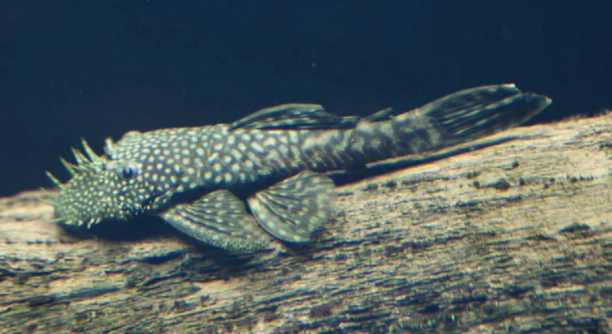
Plecos are popular aquarium fish, known for their unique appearance and peaceful nature. Many owners take extra care in creating a beautiful, vibrant environment for their fish. But how do vibrant substrate colors affect plecos?
Plecos are generally okay with vibrant substrate colors. These fish do not have a strong preference for specific colors. However, substrate colors may impact their behavior, such as hiding more often in darker substrates or being more active in brighter ones.
Understanding how different substrate colors influence plecos can help you create the ideal environment for their health and comfort.
Effects of Vibrant Substrates on Plecos
Plecos are bottom dwellers, which means they spend most of their time on the substrate. Choosing a vibrant substrate can have various effects on them. While some colors may appeal more to the eyes of the tank owner, they can also influence how the plecos interact with their environment. Plecos are naturally shy, and bright colors could cause stress if they feel exposed or uncomfortable. Darker or more neutral colors may help them feel more secure. In some cases, very bright substrates may even discourage plecos from coming out of hiding, as they may feel safer in dimmer conditions.
A key consideration when choosing vibrant colors for your pleco’s tank is the need for balance. Plecos do best in an environment that mimics their natural habitat, which typically includes subdued colors and plenty of hiding spots.
Plecos are adaptable, but their preferences can vary depending on the environment you create for them. For example, a brightly colored substrate may encourage more movement, while a darker one might keep them in their hiding spots longer. It’s essential to observe their behavior and adjust the setup to ensure their comfort. Ultimately, the right choice is the one that keeps your pleco active and healthy.
Factors to Consider When Choosing Substrate Colors
When selecting substrate colors for plecos, always keep in mind their well-being. If you have multiple fish species in the tank, it’s also important to consider how the colors will impact the overall dynamic.
Plecos are not typically picky about the color of their surroundings, but their behavior can be influenced by it. Bright colors can create a stimulating environment, which might lead to more exploration. However, it can also lead to stress if the colors are too intense or overwhelming. On the other hand, darker colors create a calm, secure environment where plecos can thrive. Many fish owners prefer using dark substrates, such as black or brown, to simulate natural riverbeds. This allows plecos to feel comfortable and safe, encouraging their natural behavior. Providing areas with both light and dark substrate can be a great way to give plecos the best of both worlds. Balancing the brightness of the colors while maintaining hiding spots will ensure that your plecos feel both secure and stimulated.
Substrate Color and Pleco Feeding Behavior
The color of the substrate can subtly impact the pleco’s feeding habits. Brightly colored substrates might encourage more exploration during feeding time. However, darker substrates can make plecos feel more secure, potentially leading them to feed at more consistent times.
Plecos are primarily nocturnal feeders, and the substrate’s color can influence when they feel comfortable coming out to feed. Darker or neutral colors may create an environment where they feel safer, allowing them to forage at night without being disturbed. On the other hand, brighter substrates might disrupt this behavior, as plecos may perceive the tank as too exposed. It’s important to remember that plecos are also grazers, meaning they will constantly search for algae or leftover food. In a tank with vibrant substrates, they may explore more frequently, which can lead to increased activity and better overall health.
In some cases, substrates that are too bright could cause plecos to become more reserved and feed less, as they may feel more vulnerable to predators. Creating a well-balanced environment that includes both darker and lighter areas can help them feel comfortable and encourage healthy feeding habits.
Substrate Colors and Pleco Breeding
Substrate colors might also have an indirect influence on pleco breeding. The environment you create, including the substrate, can affect how safe and secure the plecos feel, which is important for successful breeding.
Darker substrates may simulate the natural habitat of plecos, promoting a more secure feeling that can encourage breeding. Bright colors may have the opposite effect, potentially causing stress, which can interfere with their breeding behavior. Plecos often seek out caves or crevices to lay their eggs, and the substrate color could impact their choice of location. In some cases, the tank setup itself, such as hiding places made from darker rocks or plants, can be more appealing for spawning than a brightly colored substrate. By using darker hues, you may improve the chances of breeding success. It’s essential to keep the tank peaceful and quiet for plecos to feel safe enough to reproduce. The right combination of substrate and environment is key to their breeding success.
Choosing Between Light and Dark Substrates
When deciding on substrate color, it’s essential to weigh the pros and cons of light versus dark options. Light substrates can make the tank appear brighter but might cause stress for plecos. Dark substrates provide a calm environment, making plecos feel more secure.
Plecos are shy fish, and darker substrates create a sense of security, encouraging them to venture out and interact more. Light substrates, while visually appealing, can be overwhelming. They might make plecos feel more exposed and less likely to come out. Finding the right balance can make a difference in their comfort level.
Benefits of Natural Substrate Colors
Natural colors, such as shades of brown, black, or green, closely mimic plecos’ natural environment. These colors help plecos feel more at ease and encourage natural behavior like grazing and foraging.
Natural colors are also versatile, blending well with the overall aesthetic of the aquarium. They allow plecos to adapt better, as they can relate to the surroundings they would typically encounter in the wild. Additionally, these colors help maintain a peaceful atmosphere, which can lead to better health and behavior.
Monitoring Pleco Behavior After Changing Substrate
After changing the substrate in your pleco tank, closely observe how they behave. This can help you understand how the new environment is affecting them.
Changes in the substrate may cause some plecos to become more active or, conversely, more withdrawn. They may take some time to adjust, so it’s important to watch their feeding and hiding patterns. If your plecos seem more stressed, it may be worth experimenting with a more neutral substrate color or introducing more hiding spots.
FAQ
Will bright substrates stress out my plecos?
Bright substrates can stress out plecos, especially if they are too vibrant or flashy. Plecos are naturally shy creatures and prefer calm, subdued environments where they feel safe. Bright colors may make them feel exposed and vulnerable. Darker or neutral substrates can provide a more secure and comfortable environment, encouraging plecos to be more active and come out of hiding.
Can plecos adapt to a new substrate color easily?
Plecos are generally adaptable, but it may take them some time to adjust to a new substrate. If you change the substrate, monitor their behavior closely. They may initially hide or seem more reserved as they adjust. Giving them time and ensuring they feel secure will help ease the transition.
What type of substrate is best for plecos?
The best substrate for plecos is one that mimics their natural environment, usually dark and fine-textured. Sand or fine gravel are often preferred because they allow plecos to graze on algae and detritus more easily. Make sure the substrate is not sharp, as plecos have sensitive underbellies that could get scratched.
Does the color of the substrate affect pleco breeding?
Yes, the color of the substrate can influence pleco breeding behavior. Plecos tend to breed in quiet, secure environments. Darker substrates help create a sense of security, encouraging breeding activity. Bright substrates, on the other hand, can cause stress, potentially hindering breeding. Ensuring the tank is peaceful and comfortable is key for successful reproduction.
Are there any colors that plecos absolutely dislike?
While plecos don’t have strong preferences for specific colors, very bright or neon-colored substrates may be unsettling. These colors can cause stress, as they make the tank feel too exposed for plecos. It’s always best to avoid overly flashy or artificial colors and stick to more natural tones for a relaxed environment.
How does substrate color affect pleco feeding habits?
Substrate color can have a subtle effect on pleco feeding habits. Plecos are nocturnal grazers and may feel more comfortable feeding in darker environments. Darker substrates provide a safer space for them to graze at night, while bright substrates might make them feel exposed, leading them to feed less frequently.
Can plecos be kept with light-colored substrates in a community tank?
Plecos can be kept with light-colored substrates in a community tank, but it’s important to consider the tank’s overall setup. If the light-colored substrate creates an overly bright or stimulating environment, it could lead to stress for the plecos. Balancing the substrate with hiding spots or plants can help mitigate this.
How often should I change the substrate in my pleco tank?
Substrate in a pleco tank typically doesn’t need to be changed frequently. However, regular cleaning is important to maintain a healthy environment. If the substrate becomes compacted or clogged with waste, it may need to be replaced or stirred up. Always monitor the water quality to determine if a change is necessary.
Do plecos need specific substrates for different species?
Different species of plecos might have slightly different preferences when it comes to substrate, but the basic requirements are similar. Most plecos prefer smooth, fine substrates that are easy on their delicate bellies. Some species, like the gold nugget pleco, may require specific water conditions, but substrate color and texture remain largely the same.
Can I mix different substrate colors in a pleco tank?
Mixing different substrate colors in a pleco tank is possible, but it can create a visually jarring environment. If you do choose to mix colors, make sure the tank still provides plenty of hiding spots and a secure environment for your plecos. Try using a neutral color as the base and add accents of brighter colors if desired.
Final Thoughts
When setting up a pleco tank, substrate choice plays a significant role in the comfort and well-being of the fish. Plecos are naturally shy and prefer an environment that makes them feel secure. Substrate color can influence their behavior, so it’s important to choose wisely. Darker, more natural tones tend to work best, as they help plecos feel safe and encourage them to be more active. Bright and vibrant colors, while visually appealing, can create a stressful environment, making plecos more hesitant to come out and explore. This can lead to a reduction in feeding and overall activity.
The right substrate can also have an impact on pleco breeding behavior. Plecos tend to breed in quiet, secure environments, and the color of the substrate can affect their sense of safety. Darker, natural substrates mimic their natural habitat and can promote breeding. If you are aiming to breed plecos, it’s a good idea to use substrates that replicate their natural surroundings as closely as possible. Bright colors, while pleasing to the eye, may create an unnerving atmosphere that could discourage breeding or even cause stress to the fish.
Ultimately, choosing the right substrate for your plecos involves considering their comfort, health, and behavior. While color can play a role in their well-being, it’s also important to ensure the substrate is functional. Smooth, fine-textured substrates like sand or fine gravel are ideal, as they are gentle on the pleco’s sensitive skin and allow for natural foraging. Pay attention to the overall tank environment, including hiding spots and tank mates, to ensure that your plecos feel safe and secure in their home.

Hello,
If you enjoy the content that we create, please consider saying a "Thank You!" by leaving a tip.
Every little bit helps us continue crafting quality advice that supports the health, happiness, and well-being of pets around the world, for pets of all shapes, sizes, and species.
We really appreciate the kindness and support that you show us!