
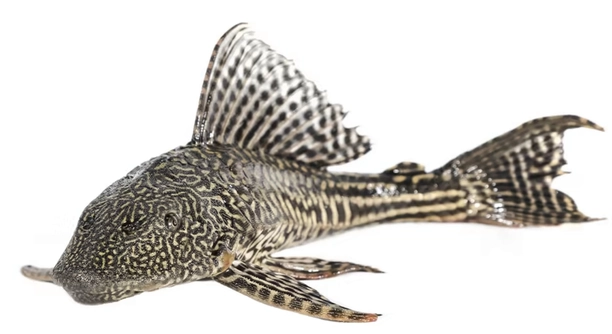
Are your aquarium decorations more about looks than your fish’s needs? Many fishkeepers enjoy bright setups, but it’s important to think about how those choices affect the fish living in them.
Colored gravel is generally safe for plecos as long as it is aquarium-safe, non-toxic, and smooth. Rough or sharp gravel can harm their sensitive undersides, and painted gravel should not flake or dissolve in water.
Some types of gravel might seem appealing, but knowing what’s best for your pleco helps create a safe and stress-free tank environment.
Why Gravel Choice Matters for Plecos
Plecos are bottom-dwelling fish that spend a lot of time resting on the substrate. Because of this, the type of gravel you choose can make a big difference in their comfort and health. Colored gravel that’s coated with aquarium-safe paint is usually fine, but you should make sure it doesn’t chip easily or release any harmful substances into the water. Smooth, rounded gravel is better than sharp or jagged types, which can scrape their bellies or fins. Plecos also like to graze on the bottom, so any substrate they come into contact with regularly needs to be safe and clean. Some plecos even like to dig a bit, which means smaller gravel or soft sand can also be a suitable option. Always rinse the gravel well before adding it to your tank to avoid cloudy water and to remove any dust or loose particles.
Rough gravel can cause scrapes or infections, especially for plecos that like to rest along the bottom of the tank.
It’s also worth noting that while color doesn’t directly harm your pleco, certain types of painted gravel might lose their coating over time. Once the coating wears off, the underlying material could be unsafe, especially if it contains metals or dyes not meant for aquariums. Always read the packaging to ensure the gravel is marked aquarium-safe. It’s easy to find colored gravel that fits this description, so you don’t have to choose between a good look and your fish’s health. If you’re unsure, choosing natural or sand-based substrate is a safe alternative. Some fishkeepers also mix smooth, dark-colored gravel with small stones to create a soft surface while still giving the tank some variety. It’s all about balance—making sure the tank looks good while keeping your pleco safe and healthy.
Cleaning and Maintenance Tips
Colored gravel often makes waste and algae more visible, which helps you know when it’s time to clean the tank.
Keeping the gravel clean is especially important for plecos, since they often eat near the bottom and may come into contact with waste or leftover food. Use a gravel vacuum regularly to remove debris and prevent ammonia spikes. Even if the tank looks clean from the outside, waste can collect under the gravel, especially in low-flow areas. Try not to overfeed your fish, as uneaten food will break down and affect water quality. Rinsing the gravel before adding it to the tank also reduces cloudiness and keeps your water clearer from the start. A consistent cleaning schedule, even just once a week, can go a long way in keeping your tank safe for plecos. Avoid soaps or detergents—just use warm water and gentle rinsing if you’re cleaning gravel outside of the tank.
Potential Issues With Some Gravel Types
Some gravel types have sharp edges or rough textures that can scratch a pleco’s skin. These scratches can lead to stress or infection over time. It’s better to choose smoother gravel that won’t harm your fish during regular movement or resting.
Another concern is gravel that has been painted or coated with low-quality materials. When this coating starts to wear off, it can flake into the water and affect water quality. Some coatings may even include harmful dyes or chemicals not safe for aquatic life. If plecos suck on or graze near these flakes, it can upset their digestive system or stress their immune response. A safer choice is natural gravel or those labeled as non-toxic and aquarium-safe. These are designed to stay stable in water without breaking down. Always check reviews or product details before making a choice, especially for brightly colored options.
Some gravel is also too large or uneven for smaller plecos to move around comfortably. When gravel pieces are bulky, they leave big gaps where waste and food can fall through and rot. This affects the water quality and makes cleaning harder. Since plecos are often shy and like to hide or sit quietly at the bottom, they may spend a lot of time among this gravel. Dirty or uneven surfaces create a higher risk for bacteria and poor tank hygiene. In contrast, smaller, smooth gravel creates a more stable and safer base. It’s easier to clean and gentler on their bodies. Choosing a gravel type that balances looks and safety is key to supporting your pleco’s health long-term.
Matching Substrate to Pleco Behavior
Plecos often rest or suck on tank surfaces, so they interact closely with the substrate. Because of that, the gravel should feel smooth and not restrict their movement. It should also allow food to sit on top for easier access.
If you’ve watched your pleco, you might notice it often glides across the bottom or stays tucked under decorations. They like a calm, steady space with minimal disruption. Substrate that shifts too easily or feels sharp can make them feel unsettled. Fine gravel or sand works well for plecos that like to stay close to the ground. It also helps prevent injury while they graze for algae or food bits. Choose a gravel size that won’t trap food too deeply and doesn’t have jagged edges. Make sure the substrate allows for stable placement of hiding spots or driftwood—plecos love having places to retreat to, especially during the day.
Signs Your Gravel May Be a Problem
If your pleco has scrapes on its underside or fins, the gravel might be too rough. Look for redness, missing patches of skin, or changes in behavior like less movement or hiding more than usual.
Discoloration in the water or small paint flakes floating around could mean the gravel coating is breaking down. This can lead to poor water quality and stress for your pleco. Always check the gravel regularly and replace it if you notice changes in texture or color.
Choosing the Right Gravel Type
Gravel labeled as “aquarium-safe” is the best place to start. These options are made to avoid leaching chemicals or breaking down over time. Smooth, rounded gravel or fine sand is ideal for plecos. It’s gentle, easy to clean, and helps reduce the risk of injuries. If you like the look of colored gravel, go for types that are coated with durable, non-toxic finishes. Stay away from gravel meant for crafts or decorations not intended for aquariums, even if it looks similar. You can also mix natural stones into the base layer to give your tank a more natural feel while keeping the environment safe for your pleco.
Final Check Before You Buy
Always rinse the gravel well before adding it to the tank. If the water stays cloudy or smells strange after rinsing, it may not be safe to use.
FAQ
Can plecos eat gravel by mistake?
Plecos may accidentally suck in small pieces of gravel while grazing along the tank floor. This usually isn’t a problem if the gravel is smooth and too large to swallow. Their mouths are adapted to filter and spit out anything that isn’t food. However, if the gravel is sharp or very small, it can be risky. Ingesting jagged or tiny gravel could lead to injury or digestive issues. This is why using rounded, aquarium-safe gravel is always the safer choice. Avoid crushed stone or decorative gravel that breaks easily or has uneven edges.
Is colored gravel safe for plecos long-term?
Colored gravel can be safe for plecos as long as it’s made specifically for aquariums. These gravels are coated in non-toxic, water-stable paints that don’t flake or affect the water chemistry. Cheaper versions, especially those not labeled for aquarium use, may wear down over time or release unsafe chemicals into the water. If you notice the color fading or particles floating, it’s time to replace it. Long-term use is fine if the gravel stays intact and smooth. Just be sure to clean it often and monitor for any changes in water quality or your pleco’s behavior.
Can plecos be kept with sand instead of gravel?
Yes, many plecos do well with sand. In fact, sand is softer and more comfortable for plecos that like to stay close to the bottom. It reduces the chance of scratches or skin irritation and allows for easier movement. Sand also helps food stay on the surface, which makes it easier for plecos to find it. The only downside is that sand can compact over time and hold gases, so regular stirring or using burrowing tank mates helps. If you want a natural look and a soft base, sand is a great option for most pleco species.
What size gravel is best for plecos?
Medium to fine gravel works best for plecos. Avoid gravel that’s too large, as it leaves wide gaps where waste can collect. That makes cleaning harder and lowers water quality. Tiny gravel or sand is easier to clean and less likely to cause harm. Anything sharp or rough should be avoided completely. A good test is to hold a piece in your hand and check if it feels smooth. If it feels gritty or jagged, it’s not ideal for plecos. Look for smooth pebbles or small rounded stones labeled for aquarium use.
Will colored gravel affect the water chemistry?
If the gravel is made for aquariums, it shouldn’t affect water chemistry. These types are designed to be stable in both fresh and saltwater environments. However, if the gravel isn’t labeled aquarium-safe, it might leach chemicals or heavy metals into the tank over time. That can cause pH changes, water cloudiness, or stress in your fish. Always test the water regularly, especially after adding new substrate. If you see any unexpected changes or odd smells, remove the gravel and replace it with a trusted brand.
Can sharp gravel really hurt plecos?
Yes, sharp gravel can cause cuts or scrapes on a pleco’s body. Since plecos often stay close to the bottom and rest on the substrate, anything rough will come into direct contact with their skin. Even minor scratches can turn into infections, especially in tanks that aren’t cleaned often. Smooth gravel or sand helps avoid these problems. Injuries might not be obvious at first, but watch for redness, swelling, or sudden behavior changes like less movement or hiding. It’s better to prevent injury with the right substrate than to treat it later.
How often should I clean gravel in a pleco tank?
It’s best to clean the gravel once a week using a gravel vacuum. Plecos produce a fair amount of waste and tend to stir up debris while moving around. Food also tends to settle at the bottom, so regular cleaning helps keep ammonia and bacteria from building up. Even if the tank looks clean, waste can hide deep in the gravel. During water changes, siphon the gravel lightly to remove debris without disturbing your pleco too much. Keeping the gravel clean helps maintain stable water quality and keeps your pleco healthier over time.
Can plecos live in a bare-bottom tank instead of using gravel?
Yes, plecos can live in a bare-bottom tank, especially if you want easier cleaning and clearer monitoring of waste levels. Bare-bottom setups make it simple to spot leftover food and debris. However, these tanks may feel less natural and offer fewer hiding spots for your pleco. If you choose this setup, add caves or decorations to give them some cover. Some people use bare bottoms temporarily for quarantine or breeding tanks. Just make sure to adjust lighting and tank décor so your pleco still feels secure and calm.
Final Thoughts
Keeping plecos healthy starts with choosing the right substrate. Gravel that is smooth, rounded, and made for aquariums is usually safe. Colored gravel can also be used, but it needs to be labeled as non-toxic and safe for fish tanks. Avoid gravel with sharp edges or loose coatings that could chip or affect the water. Some types of gravel look nice but are not made for aquarium use. These can cause problems for your pleco over time. If the gravel scratches their underside or changes the water chemistry, your fish may become stressed or even sick. Always check the label and do a little research before adding anything new to the tank.
Plecos spend a lot of their time close to the bottom, so what they rest on every day matters. If they are always in contact with rough or dirty gravel, they may develop skin problems or infections. Smooth gravel or fine sand is much better for them. It’s also easier to keep clean, which helps keep the water healthy. Plecos are peaceful fish that enjoy calm and steady environments. They need safe surfaces to rest and graze on. If the gravel hurts them or causes waste to build up, it creates a stressful and unsafe living space. Choosing a safe and comfortable substrate gives your pleco the chance to live a longer, healthier life.
Maintaining a pleco-friendly tank is not difficult if you start with the right materials. Good gravel, regular cleaning, and proper tank conditions go a long way. You don’t need expensive supplies—just make sure the products you use are made for aquariums. Watch your pleco for signs of discomfort or injury. If you notice them acting differently, it might be a sign that something in the tank needs to change. Substrate plays a bigger role than many people think. It affects not just the look of the tank but also your pleco’s well-being. With the right gravel and proper care, your pleco can thrive in a clean, safe, and comfortable environment.

Hello,
If you enjoy the content that we create, please consider saying a "Thank You!" by leaving a tip.
Every little bit helps us continue crafting quality advice that supports the health, happiness, and well-being of pets around the world, for pets of all shapes, sizes, and species.
We really appreciate the kindness and support that you show us!