
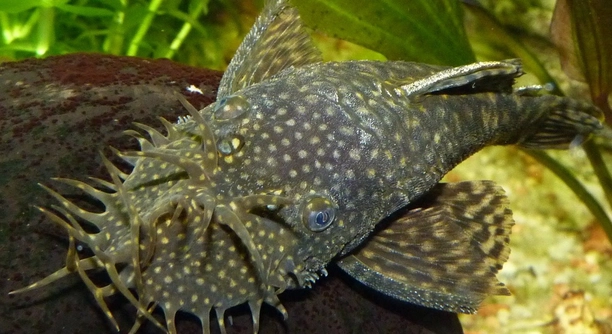
Plecos are fascinating fish that can often be found in aquariums around the world. Their unique appearance and gentle nature make them popular among fish enthusiasts. However, understanding their behavior, especially regarding hunger, can be quite intriguing for their caretakers.
Plecos tend to become more active when they are hungry. This behavior is primarily driven by the fish’s search for food, which increases its movement throughout the tank. Hunger can lead to more visible and frequent interactions with tank decor.
Understanding this behavior will help you care for your plecos and meet their needs effectively. This insight will help you maintain a healthier, happier environment for your fish.
Why Do Plecos Get More Active When Hungry?
Plecos, like many fish, instinctively become more active when they are hungry. This is a natural response to their need for food. They may begin swimming around the tank more frequently and seem restless as they search for their next meal. Their heightened activity is often a result of the physical need to find food, which can lead them to interact with their environment more noticeably.
While it may seem like they are just exploring, it’s important to remember that the primary cause is hunger. The search for food triggers their behavior, prompting them to move more. In an aquarium, this is often seen as the pleco swimming across different levels of the tank, searching for food or interacting with the substrate and decorations.
The more food they need, the more likely they are to explore their surroundings. This can sometimes lead to them being seen more often, particularly during feeding times. It’s a sign that your pleco is ready to eat.
What Does Pleco Behavior Look Like When Hungry?
When plecos are hungry, their behavior becomes quite noticeable. You may notice them hanging around the tank’s surface or near areas where food is often placed. This increased activity is a way for them to indicate their hunger and desire to eat.
This behavior can be accompanied by an increased interest in their surroundings. Plecos may swim faster or search more thoroughly in areas where they can find food. Their movements become more pronounced, and it can be easier to spot them at different times of the day. This is a signal to their owner that it’s feeding time, as the pleco becomes more interactive.
How to Tell When Your Pleco Is Hungry
When plecos are hungry, their behavior changes significantly. They become more active, swimming around the tank and often seeking food. You may notice them near the surface or hanging around areas where food tends to settle. It’s a clear sign they are looking for a meal.
Plecos are scavengers by nature, so they spend a lot of time grazing on algae or leftover food in the tank. When their normal food source runs out, they may appear more restless, especially if they are searching for anything edible. This behavior can sometimes be mistaken for general exploration, but it’s more about their drive to find food.
Monitoring your pleco’s behavior can help you understand when they are hungry. If you notice them constantly moving around, it’s likely time for their next feeding. This behavior is common, especially in the evenings, when they are most active in their search for food.
Pleco Feeding Habits
Plecos are known for their grazing habits, often nibbling on algae, plants, or even leftover food in the tank. They are opportunistic feeders, which means they will actively look for food sources in their environment. This feeding behavior is generally driven by the availability of food.
Understanding their feeding habits can help prevent overfeeding. Plecos will often appear more active during feeding times, especially if they are hungry or food is scarce. While they will forage for algae and detritus, providing a balanced diet is essential to their health. Offering sinking pellets, algae wafers, or fresh vegetables will ensure they get the nutrients they need.
It’s important to observe how much food your pleco consumes to avoid overfeeding. Since they may seem more active during hunger, it’s easy to mistake their behavior for the need for more food. Regular feeding schedules are key to maintaining a healthy diet for your pleco.
Pleco Activity at Feeding Time
When it’s time to feed your pleco, you’ll notice a sharp increase in their activity. They’ll often swim around more, checking every corner of the tank for food. Their movements become faster, and they may approach the surface or areas where food is typically placed.
At feeding time, plecos are eager to eat and often exhibit behavior like rubbing their bodies against decorations or the glass. This is a way of exploring and seeking out food sources. It’s common for them to become more active around their feeding schedule, showing anticipation for the meal.
Pleco Feeding Frequency
Plecos should be fed at least once or twice a day, depending on their size and species. Smaller plecos may need smaller, more frequent feedings, while larger ones can typically go a bit longer between meals. It’s important to stick to a routine.
Feeding frequency is important for keeping your pleco healthy. Overfeeding can lead to poor water quality, while underfeeding might leave your pleco undernourished. Observing their behavior can help you determine if they need more food or if you are feeding them enough.
Pleco’s Feeding Preferences
Plecos can have specific food preferences, with many favoring algae and vegetable-based foods. Algae wafers and spinach are common choices, but they also enjoy sinking pellets and occasionally live food like worms. Variety is essential for their diet.
Plecos are scavengers and need a diet that mimics what they would naturally eat in the wild. They may also nibble on the tank’s decor and plants. Offering them a range of options ensures they are getting the nutrients they need for optimal health.
FAQ
How often should I feed my pleco?
Plecos should be fed at least once a day, but the frequency can vary depending on their size and species. Smaller plecos may need smaller meals more often, while larger ones might be fine with one meal every other day. Always observe their behavior to make sure they’re not hungry or overfed.
Can plecos eat fish food?
Yes, plecos can eat fish food, but they prefer food designed for bottom feeders, such as algae wafers and sinking pellets. Fish flakes can float at the top and are difficult for plecos to access, so it’s best to provide them with sinking food that reaches the bottom of the tank.
Do plecos need live food?
Live food is not essential for plecos, but they do enjoy it occasionally. Plecos will eat live worms, brine shrimp, and small insects, but these should be treated as an occasional treat rather than a regular part of their diet. Their primary food should be algae and vegetables.
What happens if I overfeed my pleco?
Overfeeding your pleco can lead to poor water quality and unhealthy aquarium conditions. Uneaten food decays in the tank, which can increase ammonia levels and harm both your pleco and other fish. To avoid this, feed only the amount they can consume within a few hours.
Can plecos survive on algae alone?
Algae is an important part of a pleco’s diet, but it’s not enough to sustain them entirely. While they can graze on algae in the tank, providing additional food like algae wafers, vegetables, and sinking pellets will ensure they get a balanced diet with all the necessary nutrients.
How can I tell if my pleco is hungry?
A hungry pleco may become more active and swim around the tank searching for food. They might be more visible than usual and spend time near the bottom, interacting with decorations or the substrate. This behavior indicates they are ready to eat and looking for food sources.
Do plecos eat at night?
Yes, plecos are nocturnal creatures and tend to feed during the night. They may be more active in the dark, looking for food and grazing on algae or other food sources. It’s common to see them foraging for food after the tank lights go out.
Can plecos eat vegetables?
Yes, plecos enjoy a variety of vegetables. Leafy greens like spinach, lettuce, and zucchini are great options. These vegetables should be blanched before offering them to ensure they are soft enough for the pleco to eat. You can also provide them with peas, cucumber, or sweet potato.
How do I prevent my pleco from eating my plants?
Plecos may nibble on plants, especially if they’re hungry or the tank doesn’t provide enough algae. You can try providing them with enough algae wafers, vegetables, or other food to keep them satisfied. If they continue eating your plants, consider using more robust plant species or creating a separate grazing area.
Can plecos eat too much algae?
While plecos enjoy algae, they should not rely solely on it for their diet. Excessive algae consumption can lead to nutritional deficiencies, as algae doesn’t provide all the necessary nutrients. It’s important to provide a varied diet with other food sources to ensure your pleco remains healthy.
Should I feed my pleco after cleaning the tank?
It’s a good idea to feed your pleco after cleaning the tank. Cleaning can stir up dirt and debris, which may make them search for food. After cleaning, your pleco will likely be more active and ready to eat. Ensure that you provide food soon after to satisfy their hunger.
Why is my pleco not eating?
If your pleco isn’t eating, there may be a few reasons. It could be due to stress, water quality issues, or illness. Make sure the water conditions are appropriate, such as temperature, pH, and hardness. Also, check if your pleco has access to food, and monitor for any signs of disease.
Can plecos eat fruit?
Plecos can eat certain fruits, but only in moderation. Fruits like apples, bananas, and berries can be offered as an occasional treat. Make sure the fruit is chopped into small pieces and avoid feeding them sugary fruits in large quantities, as this can cause digestive issues.
Why does my pleco swim upside down?
If your pleco is swimming upside down, this could indicate a health problem, such as swim bladder disorder. This condition can result from overeating, poor water quality, or bacterial infections. If the behavior persists, it’s a good idea to consult a veterinarian or an aquarium specialist to ensure your pleco’s health.
Can plecos help keep my tank clean?
Yes, plecos can help clean your tank by eating algae and organic matter that accumulates in the tank. However, they shouldn’t be relied upon as the sole cleaning method. Regular water changes and tank maintenance are still necessary to maintain a healthy environment for all your fish.
How big do plecos get?
Plecos can grow quite large, depending on the species. Some species, like the common pleco, can grow up to 24 inches or more in length. Smaller species, like the bristlenose pleco, usually stay around 4-6 inches. It’s important to know which species you have to provide the right space for them.
How long do plecos live?
Plecos can live anywhere from 10 to 15 years in an aquarium if properly cared for. Their lifespan is influenced by factors like water quality, diet, and the size of their living environment. Providing a healthy and stable tank can help your pleco live a long and happy life.
Final Thoughts
Plecos are fascinating fish that can add beauty and uniqueness to any aquarium. They are not just decorative but also play an important role in keeping the tank clean by consuming algae and organic waste. With proper care, they can live for many years, growing to sizes that require adequate space in the tank. Their diet is varied, including algae, vegetables, and specially designed sinking pellets. Understanding their needs helps ensure they remain healthy and active.
It’s important to remember that while plecos are often seen as low-maintenance, they do require consistent attention. Their tank environment, including water quality, temperature, and space, plays a crucial role in their well-being. Regular feeding is essential, but it’s also important not to overfeed, as this can lead to poor water quality and health issues. Offering a variety of foods, such as algae wafers, blanched vegetables, and the occasional live food, ensures they receive the nutrients they need.
Ultimately, a pleco’s behavior is closely tied to its diet, feeding schedule, and overall environment. If your pleco is more active when hungry, it’s a clear sign that they are ready for a meal and may need more food or a change in their feeding routine. As with any fish, understanding the signs of hunger and responding appropriately will lead to a healthier and happier pleco. By paying attention to their needs, you can create an environment that supports both their natural instincts and the long-term health of your aquarium.

Hello,
If you enjoy the content that we create, please consider saying a "Thank You!" by leaving a tip.
Every little bit helps us continue crafting quality advice that supports the health, happiness, and well-being of pets around the world, for pets of all shapes, sizes, and species.
We really appreciate the kindness and support that you show us!