
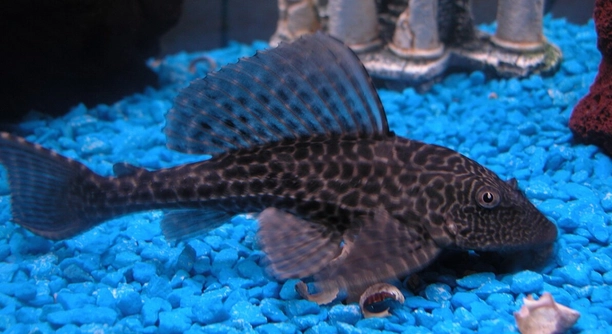
Planted tanks are a beautiful way to bring nature into your home. Many aquarium owners wonder if plecos, with their unique behaviors and care needs, are a good fit for these lush, green environments.
Plecos can be beneficial for planted tanks, as they help keep algae under control. However, their size, feeding habits, and potential damage to plants must be considered before introducing them into a planted tank setup.
Understanding the needs of plecos will help you maintain a healthy balance in your tank. Proper care can ensure they thrive alongside your plants, making your aquarium even more enjoyable.
What Are Plecos and How Do They Affect Your Tank?
Plecos, or plecostomus, are a type of freshwater fish that are commonly kept in aquariums. They are known for their algae-eating habits, which can help reduce the growth of algae on tank surfaces. Plecos are bottom dwellers and typically have armored bodies with spines to protect themselves from predators in the wild. As they grow, they can reach impressive sizes, with some species growing over a foot long. Their distinct behavior and appearance make them popular in planted tanks, but their presence in such setups comes with certain considerations.
Although plecos can help manage algae, they may also cause damage to plants. Their feeding habits involve scraping algae off surfaces, which can sometimes mean uprooting or damaging delicate plants. Larger plecos, in particular, are more likely to cause significant harm to plants due to their size and movement. They may even graze on soft plants or disturb the roots of those that are more fragile.
When deciding whether to introduce a pleco to a planted tank, it’s important to consider both the tank’s plant species and the pleco’s size. Some plecos are more plant-friendly than others, and smaller species are less likely to cause problems with the plants. Additionally, keeping your plants healthy with proper care can help minimize damage. Always monitor your tank closely after introducing a pleco to ensure everything remains balanced.
The Pros and Cons of Having Plecos in Planted Tanks
Plecos are great for controlling algae, but their presence isn’t without drawbacks. Their constant grazing can clean up tank surfaces, but this doesn’t always translate into a pristine tank if the pleco is overly active.
Some pleco species are more suited to planted tanks than others. For example, smaller varieties, such as the bristlenose pleco, tend to be gentler on plants, while larger types can be more destructive. Even with the right species, a pleco may occasionally uproot plants, especially if it’s not well-fed.
Do Plecos Help Control Algae in Planted Tanks?
Plecos are well-known for their algae-eating habits, making them a popular choice for those looking to control algae growth. However, their ability to truly keep algae at bay can depend on the type of pleco and the tank setup.
While plecos can help reduce algae on tank surfaces, they often won’t fully eliminate it. Their algae consumption mainly targets the algae on the glass, decorations, and sometimes the plants. However, if your tank has a significant algae issue, a pleco alone won’t solve it. Regular tank maintenance and proper lighting control are essential to keeping algae growth manageable.
In some cases, plecos can make a noticeable difference in keeping algae levels lower. Their constant grazing on surfaces can prevent algae from becoming overgrown, especially on hard surfaces like rocks and decorations. But don’t rely entirely on a pleco. They should be considered part of a balanced approach to algae control, which includes water changes, proper filtration, and managing light exposure.
Do Plecos Damage Plants in Planted Tanks?
While plecos can offer some algae control, they may also harm plants in your tank. They are known for scraping surfaces and may uproot or disturb plants while feeding.
The amount of damage depends on the size of the pleco and the type of plants in the tank. Larger plecos tend to be more destructive because of their size and movement. Some species of plecos have been known to graze on soft plants, sometimes causing significant harm. However, smaller pleco species, such as the bristlenose pleco, are generally gentler on plants, making them a better option for planted tanks. If your tank features delicate or slow-growing plants, it’s important to closely monitor the pleco’s behavior.
In addition, plecos sometimes root around in the substrate while foraging for food, which can disrupt the roots of plants. The damage may not always be visible immediately, but over time, it could weaken plants and lead to their decline. If you want to keep plants intact, ensure that the pleco species you choose is less likely to cause damage.
Do Plecos Require Special Care in Planted Tanks?
Plecos have specific care needs, especially in planted tanks. They require a proper diet, a tank with sufficient hiding spaces, and regular water changes to thrive.
A healthy pleco in a planted tank will need a balanced diet consisting of algae, vegetables, and sometimes protein. If your tank lacks enough algae for them to feed on, supplement their diet with algae wafers or blanched vegetables like zucchini. Providing caves or driftwood will also help plecos feel secure, as they enjoy hiding. Regular water changes are necessary to maintain water quality.
Tank parameters should be stable, with a temperature between 72°F and 80°F, a pH level of 6.5 to 7.5, and soft to moderate water hardness. If these needs are met, your pleco should be happy and healthy, without negatively impacting your plants.
Will Plecos Thrive in Smaller Planted Tanks?
Plecos typically grow large, and smaller tanks may not provide enough space for them to thrive. A small tank might stress out your pleco and limit its ability to swim comfortably. It can also lead to more damage to plants due to a lack of hiding places or space to explore.
It’s important to give plecos room to move and feed. For smaller species, a 20-gallon tank can suffice, but larger species may require 75 gallons or more. The size of your pleco should match the size of your tank to ensure they stay healthy and do not cause harm to plants.
FAQ
Can plecos live in a tank with live plants?
Yes, plecos can live in tanks with live plants, but they may cause some damage. Larger plecos are more likely to uproot or graze on plants, especially soft-leaved varieties. Smaller species, like the bristlenose pleco, are usually less destructive and can coexist with most live plants without causing significant harm. If you have delicate or slow-growing plants, choose a more plant-friendly pleco species and monitor their behavior.
Do plecos need a lot of space in a planted tank?
Yes, plecos require plenty of space. They can grow large, especially species like the common pleco, which can reach over a foot long. A small tank will limit their movement and increase stress, leading to potential health problems. It’s essential to provide at least a 75-gallon tank for larger plecos, while smaller species can live in tanks as small as 20 gallons. The more space they have, the less likely they are to damage plants or other tank inhabitants.
What should I feed my pleco in a planted tank?
In a planted tank, plecos can graze on algae, but they will need additional food if algae is scarce. Offer algae wafers, blanched vegetables like zucchini, cucumber, or spinach, and occasionally high-quality protein-based foods like shrimp pellets. It’s important to ensure they get a balanced diet to stay healthy, as an insufficient diet can lead to malnutrition and poor growth.
Will plecos eat my aquarium plants?
It depends on the species and the type of plants. Larger plecos, especially those with bigger mouths, may munch on soft-leaved plants. Bristlenose plecos, on the other hand, are usually more plant-friendly and are less likely to cause damage. If you notice your pleco eating plants, consider switching to hardier varieties, such as anubias or java fern, which can withstand more feeding activity.
Can plecos live in a tank with other fish?
Plecos can generally live with other peaceful fish. They are bottom dwellers and tend to mind their own business. However, they may become territorial, especially when they feel crowded or stressed. Avoid keeping them with overly aggressive fish. It’s best to house them with other calm species that don’t compete for the same food or space.
Do plecos require special lighting in planted tanks?
No, plecos don’t need special lighting in planted tanks. However, your plants might require proper lighting to thrive, and plecos will benefit from any algae that grows as a result. If you have a heavily planted tank, the light should be bright enough to promote plant growth, but not too intense to encourage excessive algae. Plecos will graze on whatever algae grows, which helps to reduce the need for additional cleaning.
How can I prevent my pleco from damaging plants?
To reduce the risk of plant damage, choose a smaller pleco species, like the bristlenose pleco, which is less likely to harm plants. Additionally, provide enough algae or food for the pleco so it isn’t forced to feed on your plants. Add caves, driftwood, and other hiding spots to give your pleco plenty of space to feel secure, which may reduce its tendency to disturb plants.
Are plecos hard to take care of in a planted tank?
Plecos are relatively easy to care for, but they do have specific needs. They require a balanced diet, stable water conditions, and ample space to thrive. Maintaining a planted tank can be a little more challenging if you have a pleco, as their movement and feeding habits can disrupt the plants. However, if you provide the right environment and regularly monitor the health of your plants and pleco, they can coexist peacefully.
Do plecos need a filter in a planted tank?
Yes, plecos produce waste, and having a good filtration system is essential to keep the water clean and the tank healthy. A filter helps maintain water quality, preventing harmful buildup of toxins. Be sure to choose a filter with appropriate flow rate for the size of your tank, as plecos are sensitive to high water flow. A gentle filter will suffice for most planted tanks, allowing the pleco and plants to thrive without causing too much disturbance in the water.
How do I know if my pleco is happy in a planted tank?
A healthy and happy pleco will have clear eyes, an active appetite, and a good feeding response. They should spend most of their time grazing on tank surfaces, such as rocks, glass, or decorations. If your pleco starts hiding excessively, has visible signs of stress like faded colors or damaged fins, or stops eating, these are signs of distress. Keep an eye on water conditions and ensure the tank is suitable for both the pleco and your plants.
What’s the best pleco for a planted tank?
The best plecos for a planted tank are usually smaller species, like the bristlenose pleco, which grow to a more manageable size and are less likely to damage plants. Other suitable options include the clown pleco or the rubber lip pleco, both of which are less aggressive towards plants and can live happily in a planted tank. When choosing a pleco, always consider the size of your tank and the types of plants you have to ensure compatibility.
Can plecos live with shrimp or snails in a planted tank?
Yes, plecos can live with shrimp and snails, but it depends on the species. Plecos tend to ignore snails, especially those that are tough-skinned like apple snails. However, some plecos might eat smaller or soft-shelled snails, so it’s important to monitor their behavior. As for shrimp, plecos may sometimes disturb or eat smaller shrimp, especially if they are younger or more fragile. Larger, more mature shrimp are typically safe, but it’s best to choose a pleco species that is less likely to target them.
Final Thoughts
When it comes to adding plecos to a planted tank, there are both advantages and challenges. Plecos are beneficial for controlling algae, which can help keep your tank looking clean and healthy. They are natural scavengers, often feeding on algae that grow on surfaces like rocks, glass, and decorations. However, their feeding habits can sometimes lead to unintended consequences, especially when it comes to plants. While smaller pleco species like the bristlenose are less likely to harm plants, larger plecos may cause significant damage by uprooting plants or grazing on softer leaves. It’s important to consider these factors before deciding to add a pleco to your planted tank.
Choosing the right pleco species is key to minimizing potential damage to your plants. Smaller species tend to be more plant-friendly and are better suited for planted tanks. Plecos like the bristlenose pleco, clown pleco, and rubber lip pleco are generally more peaceful and less destructive than their larger counterparts. If you already have a planted tank or plan to add one, it’s essential to select a species that will fit well within your tank’s size and environment. In addition to picking the right pleco, you must provide a proper diet, enough space, and stable water conditions to ensure your pleco thrives. A happy pleco is less likely to harm your plants or stress other tank inhabitants.
Ultimately, plecos can coexist with plants in a tank if the right care and attention are given. Regular maintenance, such as monitoring algae levels, maintaining water quality, and ensuring your pleco is well-fed, will help balance the needs of both your fish and plants. If you want a peaceful and healthy tank, consider the size of your pleco, the types of plants you have, and the overall setup. While plecos can be helpful, it’s essential to understand their behavior and needs to avoid complications. With careful planning and the right species, plecos can be a beneficial and interesting addition to your planted aquarium.

Hello,
If you enjoy the content that we create, please consider saying a "Thank You!" by leaving a tip.
Every little bit helps us continue crafting quality advice that supports the health, happiness, and well-being of pets around the world, for pets of all shapes, sizes, and species.
We really appreciate the kindness and support that you show us!