
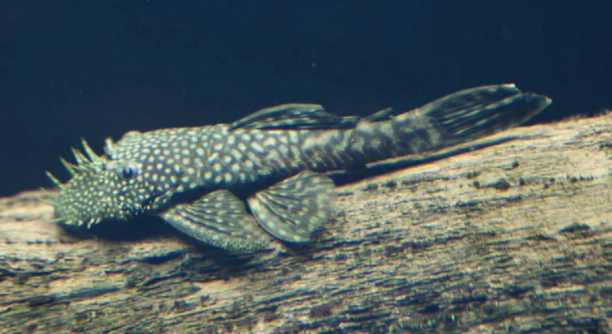
Plecos are often considered helpful when it comes to algae control in aquariums. These fish are known for their ability to keep tanks cleaner, but there’s more to their algae-eating habits than meets the eye.
Plecos are indeed effective at eating algae, but their efficiency can vary depending on the species and their diet. While some plecos are excellent algae grazers, others may need supplementary food to stay healthy and maintain algae levels in your tank.
Understanding the different types of plecos and their algae-eating habits can help you make an informed choice for your aquarium. The right pleco can make a big difference in how clean your tank stays.
What are Plecos and Why are They Popular for Algae Control?
Plecos, also known as suckerfish, are freshwater fish that are often chosen for their algae-eating abilities. They have specialized mouths that allow them to scrape algae off surfaces like rocks, glass, and plants in aquariums. While they are not the only fish to help with algae control, they are one of the most popular due to their hard-working nature and low-maintenance care. Plecos come in many varieties, with some species better suited for cleaning than others. Their size and temperament make them a good option for a wide range of tank sizes. Plecos are generally peaceful and can coexist with other fish without issues. This makes them an attractive option for aquarists who want a natural way to control algae growth without disturbing their other fish. Despite their reputation as excellent algae eaters, not all plecos are created equal when it comes to efficiency.
While many plecos are good algae eaters, some need extra food to stay healthy. Supplementing their diet with algae wafers or other food will ensure they thrive.
For those looking to control algae in a tank, choosing the right pleco species is key. The most popular species for algae control is the Common Pleco (Hypostomus plecostomus), which can grow quite large and eat a variety of algae. However, they can become too big for smaller tanks and may require more maintenance. Another popular choice is the Bristlenose Pleco (Ancistrus spp.), which stays smaller and is known for being a more efficient algae eater. This species is ideal for smaller aquariums or for people who don’t want to deal with the maintenance needs of larger plecos. There are also other plecos, like the Rubber Lip Pleco, which have different algae preferences and feeding habits. Understanding the species’ size, activity level, and dietary needs is important for ensuring they can do their job without negatively impacting your aquarium’s balance.
Do Plecos Eat All Types of Algae?
Not all types of algae are equal in the eyes of a pleco. Some plecos are more selective when it comes to the algae they consume.
Different types of algae grow in aquariums, ranging from soft green algae to tough brown algae, and plecos may not eat all of them. Common algae types, like green algae, are often eaten by plecos, especially those with more active algae-feeding habits. However, harder algae types like black beard algae or certain forms of red algae can be more difficult for plecos to handle. While they may nibble on these types of algae, they often won’t be able to keep them under control on their own. This means that plecos alone might not fully address all algae growth issues in your tank. In some cases, additional methods may be required to keep tougher algae under control.
Understanding your pleco’s algae preferences can help you avoid potential issues with stubborn algae.
Do Plecos Need to Be Supplemented with Food?
While plecos are excellent algae eaters, they should be supplemented with additional food. Algae alone might not provide all the nutrients they need to thrive in your tank.
Though plecos can graze on algae, it often doesn’t make up for their full dietary requirements. Many species, especially in captivity, need more than just algae to stay healthy. Common supplements include algae wafers, vegetables like zucchini or spinach, and protein-based foods. This ensures they get all the vitamins and minerals they need, particularly if your tank’s algae growth is not enough to sustain them. Without proper supplementation, plecos can suffer from malnutrition, leading to health issues.
Even though plecos are known to consume algae, their diets in the wild are more varied. In aquariums, a consistent and balanced diet helps them maintain good health and energy levels. It’s also important to rotate their food so they don’t get bored with the same meal. Providing fresh vegetables or a mix of pellets ensures that they enjoy different textures and flavors, mimicking their natural diet. Remember, an underfed pleco may stop eating algae altogether, so supplementing their diet is crucial for their well-being.
Are Plecos Suitable for Small Aquariums?
Plecos are not always ideal for smaller tanks due to their size. Even smaller species can still grow larger than expected.
Some plecos, like the Bristlenose Pleco, stay small and are well-suited for small aquariums. However, many pleco species, such as the Common Pleco, can grow quite large—up to 2 feet or more. These larger plecos require larger tanks to thrive and will not do well in cramped spaces. Keeping a pleco in a tank that’s too small can lead to stress, poor health, and behavioral problems. Smaller plecos, though easier to manage, still need plenty of space to move around.
For small tanks, it’s crucial to pick the right pleco species. The Bristlenose Pleco, for example, is a great option for tanks of 20 gallons or more. They are efficient algae eaters and relatively low-maintenance compared to larger species. Another good choice for smaller aquariums is the Rubber Lip Pleco. These fish can help keep algae levels in check without outgrowing the tank. Choosing a smaller species ensures both the health of your pleco and the comfort of your other fish.
Do Plecos Help with All Tank Maintenance?
Plecos are good for cleaning algae but don’t contribute much to other forms of tank maintenance. They can’t replace water changes or filter cleaning.
While plecos can help reduce algae buildup, they do not assist with other essential tasks like removing detritus, cleaning substrates, or maintaining water quality. Regular tank maintenance, such as water changes and filter maintenance, is still necessary for a healthy environment. Plecos do their part in controlling algae but don’t perform the full scope of tank cleaning that is required for a balanced ecosystem.
Common Issues Plecos Face in Captivity
In captivity, plecos can face several challenges. Overcrowded tanks, poor water quality, and an inadequate diet can all negatively impact their health.
One of the biggest issues for plecos is the lack of space. In smaller tanks, plecos may not have enough room to move around, which can lead to stress and poor health. In addition, plecos are sensitive to water quality and require consistent water changes to avoid illness. Without proper filtration, plecos can develop skin issues or fungal infections. Feeding them a poor diet or not supplementing their food with necessary nutrients also results in malnutrition, affecting their algae-eating abilities and overall health.
How to Ensure Plecos Stay Healthy
To keep your pleco healthy, maintain good water quality, provide a balanced diet, and ensure they have enough space to grow.
Regular water changes, at least once a week, will help keep the tank environment clean and ensure that your pleco thrives.
FAQ
Can plecos live with other fish?
Yes, plecos are generally peaceful and can live with a variety of other fish. They tend to keep to themselves, especially if they have enough space to establish their own territory. It’s important to avoid pairing them with aggressive fish, as plecos can become stressed or injured. Species like tetras, guppies, and peaceful barbs are good tank mates. However, keep in mind that plecos can sometimes suck on the sides of other fish, especially in tanks with low algae, so providing enough algae or food options is crucial to avoid this behavior.
How big do plecos get?
The size of a pleco depends on the species. Some, like the Bristlenose Pleco, stay relatively small, growing up to 4-5 inches in length. On the other hand, the Common Pleco can grow as large as 24 inches or more. When choosing a pleco for your tank, it’s essential to consider the species’ full adult size to avoid overcrowding. Larger plecos also require more maintenance and a bigger tank to thrive. Always do your research before adding a pleco to your aquarium.
How often should I feed my pleco?
Plecos should be fed at least once a day, but the amount depends on their size and the type of diet they’re getting. If your pleco is actively eating algae, you may not need to feed them as often. However, if your tank lacks sufficient algae, you should supplement their diet with algae wafers, vegetables, or protein-based foods. Overfeeding can lead to poor water quality, so make sure to remove any uneaten food after a few hours to avoid waste buildup.
What vegetables can I feed my pleco?
Plecos enjoy a variety of vegetables, including zucchini, cucumber, spinach, and kale. You can blanch these vegetables by briefly boiling them and then allowing them to cool before adding them to the tank. This makes it easier for your pleco to eat. Avoid using vegetables that are high in starch, such as potatoes, as these can negatively affect their digestion. Offering a mix of vegetables will keep your pleco’s diet balanced and provide them with essential nutrients.
Do plecos need a special tank setup?
While plecos are not overly demanding in terms of tank setup, there are a few things you should consider to ensure their well-being. They require a tank with plenty of hiding spots, like caves, rocks, and plants, where they can rest. Plecos prefer slightly warmer water temperatures and thrive in tanks with stable water conditions, so keeping an eye on the pH and water temperature is important. Additionally, providing a strong filtration system is crucial, as plecos are sensitive to poor water quality.
Are plecos good for planted aquariums?
Yes, plecos can live in planted aquariums, but you should be cautious about their behavior. Some plecos may nibble on soft plants or disturb them while searching for food. The Bristlenose Pleco, for example, is less likely to damage plants, making it a good option for planted tanks. However, species like the Common Pleco may uproot plants as they grow larger. If you want to maintain a planted aquarium, consider species that are less likely to cause harm to plants while still keeping algae levels under control.
Why is my pleco not eating algae?
If your pleco is not eating algae, there may be a few reasons for this. First, the tank may not have enough algae for them to graze on. If this is the case, supplementing their diet with algae wafers, vegetables, or other foods can help. Another possibility is that your pleco is stressed, which can affect their appetite. Poor water quality, overcrowding, or the presence of aggressive tank mates can contribute to stress. Ensure that your pleco’s environment is stable, with good water quality and appropriate tank mates.
How can I prevent my pleco from becoming aggressive?
Most plecos are peaceful, but some species may become territorial, especially if they feel crowded or stressed. To prevent aggression, ensure your pleco has enough space to establish its territory. Providing plenty of hiding spots and adequate food will also reduce competition and aggression. If you notice any aggressive behavior, such as chasing or fin nipping, it could be a sign that your pleco feels threatened. In such cases, adjusting the tank environment or adding more hiding spots can help.
How do I know if my pleco is healthy?
A healthy pleco is active and alert, with clear eyes and a smooth body. They should actively forage for food, whether it’s algae or other supplements, and should not appear lethargic. Signs of an unhealthy pleco include loss of appetite, pale or discolored skin, and visible lesions or bumps. Poor water quality, inadequate food, and stress are common causes of health problems in plecos. Regular water changes, a balanced diet, and a proper tank setup are key to ensuring your pleco remains healthy.
How long do plecos live?
Plecos have a relatively long lifespan for aquarium fish. On average, plecos live anywhere from 10 to 15 years in captivity, though some species can live even longer with the right care. Factors such as tank size, water quality, diet, and overall stress levels can all impact their lifespan. Ensuring a stable environment with regular maintenance will help your pleco live a long and healthy life. Properly feeding them and avoiding overcrowded tanks will also contribute to their longevity.
Final Thoughts
Plecos are popular additions to many aquariums due to their algae-eating habits and peaceful nature. They can help control algae growth, making them an attractive option for those looking for a natural cleaning solution in their tanks. However, while they do have their benefits, it’s important to remember that plecos are not a complete solution for tank maintenance. They may not be able to keep up with all types of algae, especially tougher ones, and they still require regular food supplementation and proper care to stay healthy. Without proper nutrition, their algae-eating behavior may decrease, leading to imbalanced tank conditions.
When choosing a pleco for your aquarium, size is a crucial factor to consider. While some species, like the Bristlenose Pleco, are smaller and more suited for medium or small tanks, others, like the Common Pleco, can grow very large and may need a much bigger space. Selecting the right species for your tank size and layout is important for the well-being of your pleco and the overall harmony of your aquarium. Plecos also thrive when they have access to hiding spots, as they are often shy and prefer to stay in darker, quieter areas. A tank setup with sufficient space and shelter can help reduce stress and promote healthier behavior.
In the end, plecos can be wonderful tank mates if their needs are properly met. With the right care, they can live a long, healthy life and contribute to the overall cleanliness of your tank. It’s essential to ensure they have a balanced diet, sufficient space, and a stable environment to thrive. By selecting the right species, providing proper nutrition, and maintaining good water quality, you can enjoy having plecos in your tank for many years. They’re not a one-size-fits-all solution, but with proper attention, they can be valuable members of your aquarium community.

Hello,
If you enjoy the content that we create, please consider saying a "Thank You!" by leaving a tip.
Every little bit helps us continue crafting quality advice that supports the health, happiness, and well-being of pets around the world, for pets of all shapes, sizes, and species.
We really appreciate the kindness and support that you show us!