
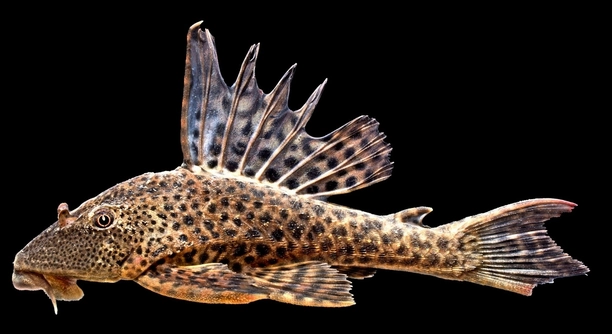
Plecos are popular fish for aquarium enthusiasts, known for their algae-eating habits and peaceful nature. However, if you have a smaller tank, you might wonder if they’re active enough to thrive in such a space.
Plecos are relatively low-energy fish and can adapt to smaller tanks. However, they still require enough space to roam, hide, and explore. Overcrowding or improper tank conditions may lead to stress or inactivity, which could affect their health.
Understanding the activity levels of plecos in a confined space is essential for their well-being. This article will explore how to provide them with the right environment in your small tank.
Understanding Plecos’ Activity Levels in Small Tanks
Plecos are known for being peaceful bottom dwellers. They spend most of their time grazing on algae or hiding in caves. In smaller tanks, however, they might not have the space they need to swim freely or engage in natural behaviors. This can impact their overall activity. While plecos aren’t the most active swimmers, they do appreciate room to explore, especially if they have hiding spots or different surfaces to explore. Without this, they may become more sedentary, leading to a decrease in health or even stress.
Smaller tanks can sometimes limit a pleco’s ability to express its natural behavior. It is crucial to assess if your tank is suitable for their needs. If not, it might be time to reconsider their living space.
For plecos to thrive, your tank should mimic their natural environment as much as possible. A smaller tank can still work, but it’s important to provide enough hiding spots and surface areas. This allows them to explore, graze, and feel secure. Ensuring that the tank is not overcrowded and that the water quality is maintained is essential. Even though plecos can adapt to smaller spaces, offering them some variety in their environment helps prevent boredom and stress. Regular tank maintenance, such as water changes, can also help ensure that the environment remains healthy. The right conditions will keep your pleco happy, even in a confined space.
The Importance of Proper Tank Size
Tank size plays a significant role in how active your pleco will be. If it’s too small, they may feel cramped.
Inadequate tank size leads to poor water quality, lack of stimulation, and eventually stress. While plecos are often marketed as low-maintenance fish, they still need a suitable environment to stay healthy. A tank that is too small forces plecos into a sedentary lifestyle, limiting their movement and reducing their overall activity. It’s essential to choose a tank that offers enough space for them to swim comfortably, along with hiding spots. Additionally, a properly sized tank makes maintaining water quality easier, benefiting the fish and any other tank mates.
Creating a Pleco-Friendly Environment in Small Tanks
Providing your pleco with an environment that allows for natural behavior is crucial, even in a small tank.
Plecos need caves, driftwood, or other structures that allow them to hide and explore. These elements not only provide security but also give them surfaces to graze on. Adding plants or decorations that mimic their natural habitat can help create a more stimulating environment. This encourages plecos to move around and be more active. Having some variation in the tank layout will reduce the chances of them becoming stressed or bored. Regular cleaning and water changes are also essential to keep the tank’s environment healthy.
In smaller tanks, plecos may not have the same amount of space they would enjoy in a larger tank. However, with the right setup, they can still be active and healthy. Offering them hiding places, surfaces to graze on, and some variety in their surroundings is key to maintaining a healthy, active pleco. You can also encourage movement by placing algae wafers or other foods in different areas of the tank. This helps them move around and engage in more natural foraging behaviors, keeping them physically active.
Feeding Habits and Activity Levels
Feeding plays an important role in keeping your pleco active in a small tank.
Plecos are primarily herbivores and enjoy grazing on algae or vegetables. Regularly feeding them algae wafers or fresh vegetables such as zucchini or cucumber can keep them active. When they forage for food, it encourages movement and helps to maintain healthy digestion. While plecos are not overly demanding when it comes to feeding, variety in their diet can help keep them stimulated. It’s important not to overfeed, as excess food can lead to poor water quality, which would cause stress and lower their activity levels.
You can also use feeding time as an opportunity to get your pleco moving. Placing food in different parts of the tank will encourage them to swim and explore. This not only makes the feeding process more interesting for them but also promotes more physical activity. When plecos are constantly grazing or searching for food, they stay more active and healthier overall. Regular, balanced feeding routines are a simple yet effective way to keep plecos moving and engaged.
Water Quality and Its Impact on Activity
Water quality directly influences the activity levels of your pleco. Poor water conditions can cause stress, leading to a less active fish.
Regular water changes and filtration are essential to maintain a healthy environment. High ammonia or nitrite levels can lead to lethargy and reduced movement. Ensuring the water temperature and pH are within appropriate ranges will also help your pleco remain active. A clean tank allows them to thrive, encouraging natural behaviors like foraging and exploring. If the water quality deteriorates, plecos will likely become more sedentary, affecting their health over time.
Tankmates and Their Influence on Activity
Tankmates can affect how active your pleco is in a small tank.
If your pleco shares the tank with aggressive or overly active fish, it might become stressed and spend more time hiding. Stress can lead to inactivity and a reluctance to move around. It’s important to pair plecos with peaceful species that won’t compete for food or space. Adding tankmates that encourage movement, like small, peaceful fish, can help boost your pleco’s activity level. Avoid overcrowding, as this can create more stress and reduce the available space for movement.
Light and Its Role in Pleco Activity
Proper lighting can help encourage natural activity in plecos.
Plecos are typically more active at night when they feel more secure. Providing a gentle light cycle that mimics their natural environment can support their nocturnal habits. Avoid bright, harsh lights, as they may cause stress and lead to hiding. A subdued light setup will allow your pleco to engage in more activity when it’s naturally inclined to do so. Having a stable light-dark cycle helps maintain their biological rhythms, supporting a healthier, more active lifestyle.
FAQ
Are plecos good for small tanks?
Plecos can live in small tanks, but their activity level depends on the tank’s setup. While they are not highly active swimmers, they need space to graze and explore. A small tank can work if it includes hiding spots and surfaces for them to interact with. However, overcrowding or inadequate hiding spaces can lead to stress, making them less active. Ensuring proper water quality, filtration, and regular maintenance will also help them remain healthier and more active in smaller tanks.
How big should a tank be for a pleco?
For most pleco species, a tank size of at least 30 gallons is recommended. However, some smaller pleco species can thrive in tanks as small as 20 gallons. The size will depend on the species and the number of tankmates. Larger plecos need more space to move around, graze, and hide. For smaller plecos, even a tank on the smaller side can work, but ensuring it’s well-maintained with proper filtration and hiding spots is crucial for their well-being.
Do plecos need a filter in a small tank?
Yes, plecos need a filter, even in small tanks. Plecos produce waste, and having a filter helps maintain good water quality. In a small tank, waste can build up quickly, leading to poor water conditions. A filter ensures the water stays clean, which is essential for the health of your pleco. It’s important to choose a filter that’s appropriately sized for the tank to avoid stressing your pleco with strong currents. Regular maintenance of the filter and water changes will further help keep the tank in good shape.
Can plecos live with other fish in a small tank?
Plecos can live with other fish in a small tank, but it’s important to choose compatible species. Avoid aggressive or overly active fish that could stress out your pleco. Peaceful tankmates, such as small tetras or rasboras, are ideal. Overcrowding is another concern, as it can lead to competition for food and space, causing stress. Additionally, ensure your pleco has enough hiding spots to retreat when needed. This helps them feel secure and reduces the likelihood of stress from interactions with other fish.
How often should I feed my pleco in a small tank?
Plecos should be fed 2-3 times per week, and the amount of food should be enough to last them a few hours. Overfeeding is a common mistake, especially in small tanks. Uneaten food will degrade the water quality. Plecos primarily graze on algae, but you can supplement their diet with algae wafers, zucchini, or cucumber. Make sure to remove any uneaten food to prevent waste buildup. In a small tank, it’s essential to monitor food levels closely to keep the water clean and to avoid overfeeding.
What kind of food should I give my pleco in a small tank?
Plecos are herbivores and prefer algae, which is often naturally present in a tank. You can supplement their diet with algae wafers, blanched vegetables like zucchini or cucumber, and occasional protein-rich foods like shrimp pellets. Make sure the food you provide is appropriate for their size and dietary needs. For plecos in small tanks, offering food that encourages movement—like placing it in different spots—can help keep them more active. It’s also important to avoid overfeeding to maintain water quality.
What is the best tank setup for a pleco in a small tank?
The best setup for a pleco in a small tank includes plenty of hiding spots, surfaces to graze on, and a clean environment. Adding driftwood, caves, or rocks can provide hiding spaces and help mimic their natural habitat. For smaller tanks, it’s also helpful to have live plants that provide both grazing material and cover. A good filtration system is essential to maintain water quality. The tank should not be overcrowded, and it should include space for your pleco to move around, even in a confined area.
Do plecos like to hide?
Yes, plecos enjoy having hiding spots where they can retreat when they feel stressed or need rest. In a small tank, providing caves, driftwood, or plants will give your pleco a place to hide. This helps them feel secure and can reduce stress, leading to healthier, more active behavior. While plecos may not be as active as some other fish, they still need an environment where they can seek shelter. Without these hiding spots, they may become more lethargic or stressed, which can affect their overall well-being.
Can plecos survive without algae in a small tank?
Plecos rely on algae as a primary food source, but they can survive without it in a small tank if they are provided with the proper alternative foods. Algae wafers, blanched vegetables like zucchini or cucumber, and occasional protein-based foods like shrimp pellets can replace algae. However, these foods should be provided consistently to ensure your pleco gets the necessary nutrients. While they can live without algae, it’s important to monitor their diet closely and offer a variety of food to keep them healthy and active.
How can I keep my pleco active in a small tank?
To keep your pleco active in a small tank, ensure they have plenty of things to explore, such as rocks, driftwood, and plants. Feeding them in different areas of the tank can also encourage movement. Providing a consistent light-dark cycle mimicking natural conditions will help maintain their nocturnal activity. Additionally, ensuring good water quality and maintaining a stress-free environment by avoiding aggressive tankmates will allow your pleco to remain active. Regular tank maintenance and offering food that encourages movement are key to their overall activity levels.
Final Thoughts
When it comes to keeping a pleco in a small tank, there are several important factors to consider to ensure their health and well-being. While plecos are not overly active fish, they still need enough space to move around and exhibit natural behaviors. Even in a smaller tank, providing hiding spots, surfaces to graze on, and maintaining proper water conditions can help your pleco stay healthy. Small tanks are fine, but they require careful attention to make sure the pleco has everything it needs to thrive.
Tank size is one of the most crucial aspects of pleco care. While plecos can adapt to smaller spaces, it’s essential to remember that the tank should not be overcrowded. When choosing tankmates, pick peaceful species that will not stress your pleco. Aggressive or overly active fish can cause plecos to hide more often, leading to reduced activity levels. Ensuring your pleco has space to explore, hide, and swim will make a big difference in their health. Regular tank maintenance, such as cleaning and water changes, is necessary to keep the environment suitable for your pleco.
Feeding your pleco the right food also plays a significant role in keeping them active and healthy in a small tank. Plecos are mostly herbivores, so providing them with algae wafers, vegetables, and occasional protein will give them a well-balanced diet. Overfeeding should be avoided, as it can lead to poor water quality and other health issues. Offering food in different parts of the tank encourages plecos to move around, keeping them engaged and physically active. When all of these factors are carefully managed, your pleco can live a long, healthy life in a small tank, without becoming too sedentary or stressed.

Hello,
If you enjoy the content that we create, please consider saying a "Thank You!" by leaving a tip.
Every little bit helps us continue crafting quality advice that supports the health, happiness, and well-being of pets around the world, for pets of all shapes, sizes, and species.
We really appreciate the kindness and support that you show us!