
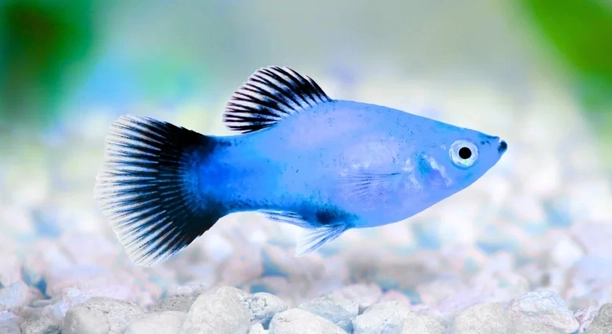
Are your platies more active during certain times of the day? Many fish owners notice their platies behaving differently in the morning compared to later hours. Understanding these activity patterns can help improve their care and tank environment.
Platies tend to show increased activity in the morning hours, often swimming and feeding more vigorously after lights turn on. This behavior is influenced by their natural circadian rhythms and environmental factors such as light and temperature.
Recognizing these activity trends can help you better meet your platies’ needs and create a more balanced habitat for them.
Morning Activity Patterns of Platies
Platies often become noticeably more active in the morning. When the tank lights turn on, they start swimming around more energetically. This increase in movement is natural, as platies rely on light cues to regulate their behavior. Their feeding activity also tends to peak during this time. Mornings provide a fresh start after their resting period at night, so they look for food and explore their environment. Temperature can also play a role; cooler morning water may encourage movement as they adjust. Observing these patterns helps in scheduling feeding and maintenance. Keeping a consistent light schedule supports their natural rhythm and keeps them healthy. Sudden changes in lighting or feeding times can disrupt this balance and cause stress. Overall, recognizing the importance of morning activity helps you create a better environment for your platies to thrive.
Morning activity in platies is mostly driven by their response to light and feeding habits. Consistent lighting promotes stable behavior.
Understanding the daily rhythms of platies can improve their care significantly. They rely heavily on environmental cues, especially light, to regulate when they eat, swim, and rest. Providing a consistent schedule not only helps them stay healthy but also reduces stress. If lights are turned on suddenly or feeding times vary widely, platies might become anxious or inactive. Morning is their natural peak activity period, making it the best time for feeding and tank maintenance. Monitoring their behavior in the morning can give you clues about their overall well-being. If they are less active than usual, it might indicate a problem with water quality, temperature, or diet. Adjusting tank conditions based on these observations ensures your platies remain lively and healthy throughout the day.
Factors Influencing Platies’ Activity
Light is the primary factor that affects when platies are active. They respond strongly to changes in lighting in their environment.
Other factors also influence platies’ activity levels, including water temperature, tank size, and social interactions. Warmer water tends to increase their movement, while colder temperatures slow them down. A spacious tank allows more room for swimming and exploration, which can boost activity. Platies are social fish and often become more active when interacting with tank mates. Feeding schedules also play a role; platies often anticipate food and become more active near feeding times. Maintaining stable water conditions, appropriate tank size, and a regular feeding routine helps encourage natural activity patterns. These combined factors create an environment where platies can exhibit their typical behaviors and stay healthy. Paying attention to these elements ensures your platies remain energetic and content in their habitat.
Feeding and Activity in Platies
Platies tend to be more active around feeding times. They quickly learn when to expect food and increase their movement in anticipation. Morning feedings often trigger the highest activity levels.
Feeding schedule consistency plays a key role in platies’ activity. If they receive food at roughly the same times daily, they develop a routine that aligns with these moments. This routine encourages them to swim actively and search for food during feeding periods. Inconsistent feeding times can lead to stress and reduced activity. Proper nutrition is important too; a balanced diet supports their energy levels and overall health. Observing your platies’ behavior during feeding helps identify their preferences and improve care.
Overfeeding can reduce activity since platies may feel lethargic or bloated after excessive food intake. Feeding small portions multiple times a day is ideal. Quality food designed for livebearers enhances their vitality. Healthy, active platies often reflect good feeding practices and a stable tank environment.
Impact of Tank Environment on Platies’ Activity
Tank environment directly affects platies’ behavior and activity levels. Proper conditions promote natural movement patterns and well-being.
Water quality and temperature are critical for maintaining platies’ activity. Poor water conditions can cause stress and lethargy, while stable, clean water supports normal behavior. The ideal temperature range for platies is between 72°F and 78°F (22°C–26°C), which encourages regular swimming and feeding activity. Tank decorations and plants offer hiding places, reducing stress and allowing platies to feel safe while exploring. Overcrowded tanks limit movement and cause competition, which lowers activity. Providing ample space and a balanced community helps platies stay active and healthy. Regular water testing and maintenance ensure a suitable environment for their daily activity.
Natural Behavior of Platies
Platies are naturally active fish, especially during daylight hours. Their activity peaks in the morning and early afternoon as they swim and explore their environment.
These fish are social and often swim in groups. Interaction with other platies boosts their movement and reduces stress, making them more lively and visible in the tank.
Adjusting Light for Optimal Activity
Light influences platies’ daily routines. Gradually increasing light in the morning mimics natural sunrise, encouraging gentle waking and steady activity.
Sudden changes in lighting can startle platies, causing them to hide or freeze. A consistent light schedule supports their health and encourages predictable activity patterns.
Signs of Low Activity in Platies
Low activity may indicate health or environmental issues. Watch for lethargy, hiding, or lack of appetite as warning signs.
Monitoring these signs early helps address problems before they worsen, keeping platies active and healthy in their tank.
FAQ
Are platies active only in the morning?
Platies are most active in the morning, especially right after the tank lights turn on. However, they do show activity throughout the day. Their peak activity tends to be in the morning because their natural circadian rhythm is tied to light. Activity usually decreases in the late afternoon and evening as they prepare to rest.
How does feeding time affect platies’ activity?
Feeding time greatly influences platies’ movement. They quickly learn when food will be offered and become more active around those times. Regular feeding schedules help platies develop consistent activity patterns. If feeding times are irregular, platies may become stressed or less active because they cannot anticipate when food will come.
What is the ideal tank temperature for platies?
Platies thrive best between 72°F and 78°F (22°C to 26°C). Temperatures within this range encourage normal swimming and feeding behavior. If the water gets too cold, platies tend to slow down and become less active. If it gets too warm, it may stress them and cause erratic behavior or decreased activity.
Can lighting affect platies’ activity?
Yes, lighting plays a key role in regulating platies’ behavior. A consistent light schedule that mimics natural day and night cycles supports their natural rhythms. Gradually turning on lights in the morning helps them wake up calmly and encourages steady activity. Sudden bright lights can cause stress and reduce movement.
Why do platies sometimes hide and appear inactive?
Hiding is a natural behavior, especially if platies feel threatened or stressed. Poor water quality, sudden changes in temperature, or aggressive tank mates can cause hiding. If platies hide frequently and show low activity, check tank conditions and ensure they feel safe and comfortable.
Do platies need tank mates to stay active?
Platies are social fish and usually become more active when kept with others. Swimming and interacting with tank mates stimulate their natural behavior and reduce stress. Keeping platies alone can lead to boredom or lethargy, so a small group is recommended.
How can I tell if my platies are healthy based on their activity?
Healthy platies are active, swim smoothly, and respond to feeding times. Sudden drops in activity or lethargy can signal health issues. Also, look for signs like loss of appetite, abnormal swimming patterns, or discoloration, which may indicate illness or poor tank conditions.
What should I do if my platies are less active than usual?
If platies show decreased activity, first check water quality, temperature, and tank conditions. Test ammonia, nitrite, and nitrate levels. Make sure the temperature is stable and within the proper range. Adjust feeding schedules if needed. Observing behavior closely can help identify if a visit to a vet or aquatic specialist is necessary.
Can overfeeding affect platies’ activity levels?
Yes, overfeeding can cause platies to become sluggish or bloated, reducing their movement. Feeding small amounts twice a day is ideal. Overfeeding not only affects activity but also degrades water quality, which can further stress fish and lower their energy.
How much space do platies need to stay active?
Platies need enough room to swim freely. A minimum of 10 gallons is recommended for a small group. Overcrowded tanks limit their movement and cause stress, leading to lower activity. Providing a well-decorated but spacious tank encourages natural behavior and exploration.
Final Thoughts
Platies are naturally active fish, especially during the morning hours when their environment signals the start of a new day. This increased activity is tied closely to light exposure and feeding schedules. Providing consistent lighting and regular feeding times helps maintain their natural rhythm. It is important to observe your platies during these peak activity times to understand their normal behavior. Noticing changes can help you address potential problems early, such as illness or poor tank conditions. Consistency in care is key to keeping platies lively and healthy.
The environment you create for your platies has a strong impact on their activity levels. Maintaining clean water, stable temperatures, and enough space encourages natural swimming and social interaction. Platies are social fish that thrive when kept in groups, which promotes movement and reduces stress. Overcrowding or sudden changes in tank conditions can lead to hiding and low activity. Adding plants and decorations can provide safe areas for platies to rest while still allowing them to explore. Taking these steps helps your platies feel secure and comfortable.
Feeding practices also influence how active platies are throughout the day. Overfeeding can cause sluggish behavior and water quality issues, while regular small meals boost energy and activity. Watching your platies during feeding times will show you how responsive and lively they are. Overall, a well-maintained tank with a stable routine supports healthy, active platies. Understanding their natural patterns and needs will help you provide the best care possible for these lively fish.

Hello,
If you enjoy the content that we create, please consider saying a "Thank You!" by leaving a tip.
Every little bit helps us continue crafting quality advice that supports the health, happiness, and well-being of pets around the world, for pets of all shapes, sizes, and species.
We really appreciate the kindness and support that you show us!