
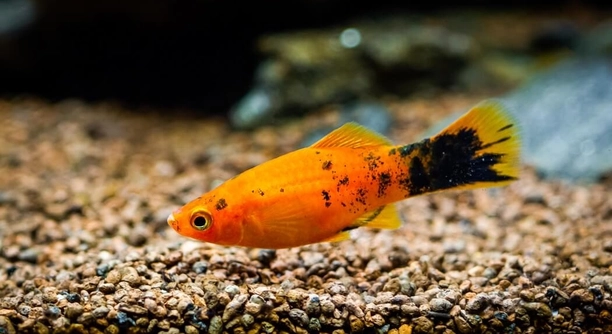
Platies are small, colorful fish often chosen by beginners interested in home aquariums. Their peaceful nature and vibrant appearance make them a popular choice for first-time fish owners. Many find platies easy to care for in simple tank setups.
Platies are well-suited for first-time owners because they are hardy, adaptable to various water conditions, and require minimal maintenance. Their calm temperament and moderate size reduce challenges commonly faced by beginners in aquarium care.
Learning about platies’ needs can help new owners provide a healthy environment. This article covers key points to support their successful care and enjoyment.
Why Platies Are Ideal for Beginners
Platies are hardy fish that can tolerate a range of water conditions, making them forgiving for first-time owners. They do well in tanks of at least 10 gallons, which is manageable for new hobbyists. These fish are peaceful and get along with many other species, reducing stress in community tanks. Their diet is simple; they eat flake food, frozen, or live foods without fuss. Platies also breed easily, which can be a rewarding experience for owners who want to learn more about fish care. Their small size and bright colors add visual appeal without requiring complex equipment or setups. Overall, platies offer a straightforward way to start keeping fish without overwhelming challenges.
Their adaptability and calm nature are key reasons they suit beginners.
Caring for platies involves basic maintenance like regular water changes and monitoring water quality. Their hardy nature allows some flexibility in tank conditions, but stable parameters ensure they stay healthy and active. Keeping a filter and heater in the tank helps maintain good water quality. Feeding them twice a day with varied food supports their health. Observing platies regularly allows early detection of any illness. Simple care routines build confidence for new owners and encourage continued aquarium keeping.
Basic Tank Setup for Platies
A 10-gallon tank is the minimum size recommended for platies. This size provides enough space for their swimming needs and helps maintain stable water conditions. A filter is necessary to keep the water clean and oxygenated. Platies prefer temperatures between 70 and 78 degrees Fahrenheit, so a heater may be required depending on the climate. Substrate can be gravel or sand, with some live or artificial plants to create hiding spots. Lighting should be moderate to support plant growth and showcase the fish’s colors. Regular water testing is important to avoid harmful levels of ammonia or nitrates. Setting up the tank with these basics makes it easier to maintain a healthy environment for platies.
Maintaining a proper tank setup is essential for platies’ well-being.
In addition to basic equipment, consider adding decorations that do not overcrowd the tank. Platies appreciate open swimming areas and places to hide when stressed. Live plants like Java fern or Anubias are low-maintenance choices that improve water quality. Avoid sharp objects that can injure fish. Regular water changes, about 20% weekly, help keep the tank clean. Proper filtration combined with aeration promotes oxygen circulation. Testing water parameters weekly helps catch any imbalances early. With these steps, new owners can create a stable habitat that supports platies’ health and vibrant appearance. Following these guidelines simplifies the care process and reduces common beginner mistakes.
Feeding and Nutrition
Platies eat a variety of foods, including flakes, pellets, and frozen or live options. Feeding them twice daily in small amounts prevents overfeeding and keeps the tank clean.
A balanced diet is important for platies’ health and color. High-quality flake food designed for tropical fish provides essential nutrients. Supplementing with frozen foods like brine shrimp or bloodworms adds protein and variety. Occasionally offering blanched vegetables such as zucchini or spinach supports digestion. Overfeeding can lead to poor water quality and health issues, so portion control is key. Removing uneaten food after a few minutes helps maintain tank cleanliness.
Platies are not picky eaters but benefit from diverse food sources. A mix of flakes and occasional treats supports their immune system. Consistent feeding schedules create routine and help owners monitor fish behavior. Watching platies eat also reveals their health—lack of appetite can signal stress or illness. Keeping their diet varied and moderate ensures they stay active and vibrant.
Common Health Issues
Platies are generally hardy but can face health problems like ich, fin rot, and swim bladder disease. Early detection and treatment are essential to prevent serious harm.
Ich appears as small white spots and causes scratching against objects. Fin rot results from bacterial infections and causes frayed fins. Swim bladder issues affect buoyancy and may cause fish to float or sink abnormally. Maintaining clean water and avoiding sudden changes reduce disease risks. Quarantining new fish before adding them to the main tank prevents spreading illnesses. Proper nutrition strengthens platies’ resistance to infections.
Regular observation is important to catch health problems early. Changes in behavior, appetite, or appearance can indicate illness. Treatments often involve medicated water or antibiotics. Following care guidelines and monitoring water quality limits stress and promotes recovery. Preventive measures are the best defense against common diseases in platies.
Tank Mates for Platies
Platies do well with other peaceful fish like guppies, mollies, and tetras. Avoid aggressive or very large fish that may stress or harm them. Compatibility helps maintain a calm tank environment.
Choosing the right tank mates promotes harmony and reduces competition for food. Community tanks with similarly sized and tempered fish work best. Keeping peaceful species together supports healthy social behavior.
Breeding Platies
Platies breed easily in home aquariums. Females give birth to live young after about 4 weeks of pregnancy. Providing plants or hiding spots helps protect the fry.
Cleaning and Maintenance
Regular water changes and filter cleaning keep the tank environment healthy. Removing debris and monitoring water parameters prevent common issues.
FAQ
How often should I feed my platies?
Feeding platies twice a day in small amounts is ideal. Offer only what they can eat within 2-3 minutes to avoid leftover food that can pollute the tank. A balanced diet with flakes and occasional treats keeps them healthy and colorful.
Can platies live with other fish?
Yes, platies are peaceful and compatible with many small, non-aggressive species such as guppies, mollies, and tetras. Avoid keeping them with larger or aggressive fish to prevent stress and injury. Proper tank mates create a peaceful community tank.
What tank size is best for platies?
A minimum of 10 gallons is recommended for a small group of platies. This size provides enough swimming space and helps maintain stable water conditions. Larger tanks are better for multiple fish and reduce maintenance frequency.
How do I know if my platy is sick?
Signs of illness include loss of appetite, lethargy, abnormal swimming, faded colors, or spots on the body and fins. Early detection allows prompt treatment and improves recovery chances. Regular observation helps catch problems early.
What water temperature do platies prefer?
Platies thrive between 70°F and 78°F. A heater may be necessary in cooler environments to keep the temperature stable. Avoid sudden temperature changes, which can stress fish and lead to illness.
Do platies need special water conditions?
Platies are tolerant of a range of water parameters but prefer slightly alkaline water with a pH between 7.0 and 8.2. Regular water testing and partial water changes keep conditions safe and stable.
How often should I clean the tank?
Partial water changes of 20-25% weekly help keep the tank clean. Clean the filter monthly or as needed, avoiding full water changes to preserve beneficial bacteria. Removing debris and uneaten food prevents water quality problems.
Can platies breed in a community tank?
Yes, platies breed easily in community tanks. Females give birth to live fry without needing a special breeding setup. However, fry may be eaten by other fish unless there are plenty of hiding spots.
What should I feed platy fry?
Newborn platy fry eat finely crushed flakes or specially made fry food. Microworms or baby brine shrimp are good live options. Feeding small amounts multiple times daily helps ensure their growth.
Are platies easy to care for?
Platies are considered easy to care for due to their hardiness, simple diet, and peaceful nature. Basic maintenance, proper feeding, and a stable environment make them suitable for beginners.
Can platies live in unheated tanks?
Platies can tolerate unheated tanks if the room temperature stays within their preferred range (70°F-78°F). In colder climates or winter, a heater helps maintain consistent warmth and prevents stress.
How long do platies live?
With proper care, platies usually live 2 to 3 years. Good water quality, a balanced diet, and a stress-free environment contribute to their lifespan.
What plants are best for a platy tank?
Low-maintenance plants like Java fern, Anubias, and hornwort provide hiding spots and improve water quality. These plants tolerate various light conditions and do not require frequent care.
Can I keep only platies in a tank?
Yes, platies do well in species-only tanks. Keeping a group of 4-6 fish promotes natural social behavior and reduces stress. Species-only tanks allow easy monitoring and control of conditions.
How do I prevent diseases in platies?
Maintaining clean water, stable conditions, proper diet, and quarantining new fish reduces disease risks. Early treatment and avoiding overcrowding also help keep platies healthy.
What is the best substrate for a platy tank?
Gravel or sand substrates both work well. Choose smooth gravel or fine sand to avoid harming the fish. Substrate supports plants and beneficial bacteria growth.
Do platies require special lighting?
Moderate lighting is sufficient for platies and any live plants. Avoid overly bright or direct light to reduce stress. Timed lighting with a day-night cycle supports healthy behavior.
Can platies jump out of the tank?
Platies can jump, especially if startled or water conditions are poor. A secure tank lid prevents escapes and protects fish from harm.
Is it okay to keep male and female platies together?
Yes, keeping both males and females together is common. Be aware that females will give birth frequently. Providing hiding spots protects fry from being eaten.
How often should I test my aquarium water?
Testing water weekly helps maintain safe levels of ammonia, nitrites, nitrates, and pH. Regular checks allow early detection of problems and adjustments to keep fish healthy.
Platies are a good choice for first-time fish owners because they are easy to care for and hardy. They adapt well to a range of water conditions and do not require complicated setups. Their peaceful nature means they can live with many other small fish without causing problems. This makes them a great option for beginners who want a colorful and lively aquarium without too much hassle. Understanding their basic needs can help new owners provide a healthy environment and enjoy watching their fish thrive.
Maintaining platies involves simple routines like regular water changes, feeding the right amount, and keeping the tank clean. They do best in tanks of at least 10 gallons with stable temperatures between 70 and 78 degrees Fahrenheit. Feeding them twice a day with a mix of flakes and occasional live or frozen foods keeps them healthy and active. Observing platies regularly is important to notice any signs of illness early. Taking these basic steps helps prevent common problems and ensures the fish live a long, healthy life.
Platies also offer the chance to learn more about fish breeding because they reproduce easily in home tanks. Providing plants and hiding spots helps protect the fry from other fish. While they are forgiving fish, paying attention to water quality, diet, and tank mates improves their well-being. Overall, platies combine beauty, hardiness, and ease of care. This makes them an excellent starting point for anyone new to aquarium keeping who wants a rewarding and manageable experience.

Hello,
If you enjoy the content that we create, please consider saying a "Thank You!" by leaving a tip.
Every little bit helps us continue crafting quality advice that supports the health, happiness, and well-being of pets around the world, for pets of all shapes, sizes, and species.
We really appreciate the kindness and support that you show us!