
Have you ever walked past a row of colorful fish at the pet store and wondered which ones are best for beginners? Their bright colors and calm movements can be hard to ignore, especially for someone new to fishkeeping.
Platies are an excellent choice for beginner aquarists due to their peaceful nature, adaptability to a range of water conditions, and low-maintenance care needs. Their hardy behavior makes them suitable for those new to managing an aquarium.
From their social behavior to their simple dietary needs, each reason highlights why platies are a popular pick for newcomers to the hobby.
Platies Are Easy to Care For
Platies are one of the easiest freshwater fish to care for. They do well in standard 10-gallon tanks and can adapt to a variety of water conditions. Their ideal temperature range is between 70°F to 78°F, and they’re not too picky about pH, as long as it stays stable. Weekly water changes and basic filter maintenance are usually enough to keep them happy. They also get along well with other peaceful fish, so there’s no need to worry about aggression. Their simple needs make them a great option for someone starting out who doesn’t want to feel overwhelmed.
They don’t require any fancy equipment or special care routines, which helps reduce stress for new keepers.
Their calm behavior and ability to thrive in basic setups make them reliable fish for learning how to maintain an aquarium. You’ll gain confidence while enjoying their lively colors and peaceful swimming.
Platies Eat Simple, Affordable Food
Platies are not picky eaters and thrive on basic fish flakes or pellets.
They can also enjoy occasional treats like blanched vegetables or freeze-dried bloodworms. Their diet is easy to manage and doesn’t require anything expensive or hard to find. Feeding them once or twice a day is usually enough, and they don’t need large amounts of food. This makes mealtime quick and simple, especially for beginners. Plus, overfeeding is easy to avoid with platies, as they don’t beg constantly like some other fish. Their flexible diet also allows you to try different foods while keeping them healthy. With consistent feeding and clean water, they stay active and colorful without much effort.
Platies Get Along With Other Fish
Platies are peaceful and social, which makes them great for community tanks. They usually stay out of trouble and won’t bother their tankmates, as long as everyone has enough space and isn’t aggressive.
They pair well with other non-aggressive species like guppies, mollies, tetras, and corydoras. Their calm nature helps reduce stress in the tank, and they often swim in small groups, adding more activity without chaos. Even if you’re new to mixing species, platies make things easier because they don’t need much to feel secure. As long as the tank is clean and not overcrowded, they’ll be fine. They also don’t claim territory or nip fins, which keeps the peace. Watching them interact with other fish can help you learn more about tank behavior without dealing with conflict. You’ll get to enjoy a lively tank without any major challenges.
It’s important to avoid placing them with larger or aggressive fish, such as cichlids, which may bully or eat them. Keeping them in a calm environment helps prevent injuries or stress. Stick with species that are similar in size and temperament. Always monitor new fish during the first few days. If you notice any chasing or signs of stress, separating the aggressive fish early can prevent harm and protect your platies.
Platies Are Active and Fun to Watch
Platies are always moving around and exploring their tank. They swim through plants, play in bubbles, and often stay near the front of the glass, making it easy to enjoy their behavior.
They aren’t shy, which helps new fishkeepers feel more connected to the aquarium. Their bright colors and curious movements add a lot of life to the tank. You don’t have to wait around to spot them—they’re almost always visible. This makes them more rewarding to care for, especially when you’re learning. Platies also show mild schooling behavior. Even though they’re not true schooling fish, they often swim close to each other, which looks nice and keeps the tank feeling balanced. They also don’t hide when people walk by, which is helpful for beginners who want fish they can actually see. Having active, colorful fish can make tank care feel more enjoyable, rather than like a chore.
Platies Come in Many Colors
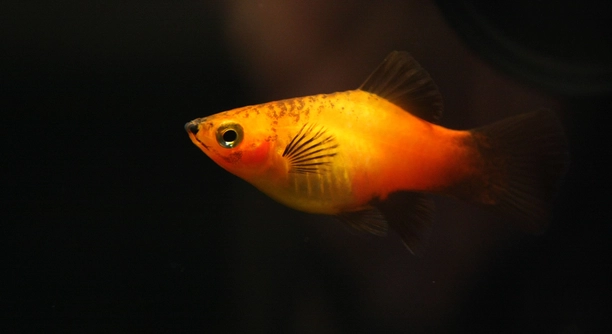
Platies are available in a wide range of colors like red, orange, yellow, blue, and even black. Some have spotted patterns or shiny finishes, making it easy to find one that matches your style or tank setup.
You can mix different types to create a colorful and lively tank. Their bright shades stand out, even in basic lighting, which adds charm without extra effort.
Platies Don’t Need a Big Tank
A 10-gallon tank is enough for a small group of platies, making them perfect for people with limited space. They don’t require a large setup or fancy gear. This makes getting started more affordable. You can add plants, decorations, and a simple filter to keep things running smoothly without spending a lot.
Platies Breed Easily
If you keep both males and females, platies will likely breed on their own. They give birth to live young, and baby fish may appear without warning.
FAQ
How many platies should I keep together?
Platies do best in small groups. Keeping at least three to five together helps them feel safe and stay active. They are social and like to interact with other fish, especially their own kind. A group setting also helps spread out any minor chasing behavior. Just make sure your tank is big enough to give each fish enough space. A 10-gallon tank is a good starting point for three to four platies. If you want more, you’ll need a larger tank to avoid overcrowding and keep the water quality stable.
Can platies live with bettas?
Sometimes, but it depends on the betta’s temperament. Some bettas are calm, while others can be aggressive toward colorful or active fish like platies. If you want to try keeping them together, make sure the tank is large enough with plenty of hiding spots. Watch them closely during the first few days. If the betta starts chasing or nipping at the platies, it’s best to separate them. Many people prefer to keep platies with peaceful tankmates like mollies, guppies, and tetras for less risk of conflict.
Do platies need a heater?
Yes, in most cases. Platies prefer water temperatures between 70°F and 78°F. If the room temperature drops below that, a heater is necessary to keep the tank stable. Sudden changes in temperature can cause stress or illness. Even if you live in a warmer area, it’s helpful to have a small, adjustable heater to prevent fluctuations. Consistent temperature makes a big difference in keeping them active and healthy. It’s also easier to manage their care when the water stays within the right range.
How often should I feed platies?
Feed them once or twice a day in small amounts they can finish in a couple of minutes. Overfeeding can lead to poor water quality, so it’s better to feed less and observe. You can give them flakes, pellets, or occasional treats like freeze-dried bloodworms or boiled vegetables. Make sure the food size is small enough for them to eat easily. If they leave leftovers, reduce the amount next time. Sticking to a routine helps avoid water issues and keeps your fish in good condition.
Do platies need live plants in their tank?
Live plants are not required, but they’re a great addition. Platies enjoy swimming through plants and hiding among them, especially if they’re feeling stressed. Plants also help improve water quality by absorbing extra nutrients. Java fern, hornwort, and anubias are easy choices for beginners. If you prefer fake plants, that’s okay too—just choose soft ones that won’t tear fins. Whether live or artificial, giving your platies places to explore and hide makes the tank more comfortable for them. It also helps reduce boredom and stress-related behavior.
How long do platies live?
Platies usually live for two to three years. With good care—clean water, a balanced diet, and a stable environment—they may live a little longer. Regular maintenance, like water changes and filter cleaning, helps prevent disease and stress. Keeping an eye on their behavior is also helpful. If you notice changes in swimming, appetite, or appearance, it might be a sign something’s wrong. Catching problems early gives you the best chance of helping them recover and stay healthy for as long as possible.
Can platies live alone?
Yes, they can live alone, but they usually do better with others. A single platy might become less active or seem bored over time. They enjoy being in small groups and tend to stay more lively when other fish are around. If you only want one, make sure the tank has enough stimulation like plants and decorations. Watching their behavior closely helps you decide if they seem happy or stressed. Most people find it more rewarding to keep platies in pairs or small groups so they can interact naturally.
Final Thoughts
Platies are one of the best freshwater fish for beginners. They are peaceful, easy to care for, and come in many colors. Their ability to live in small tanks and adapt to different water conditions makes them a simple choice for someone just starting out. You don’t need to buy expensive equipment or learn complicated care routines. Basic food, clean water, and a calm environment are usually all they need to stay healthy and active. This helps new fishkeepers build confidence while enjoying a bright, active aquarium.
Another helpful thing about platies is how well they get along with other fish. They do not start fights, and they don’t claim territory. You can keep them with other peaceful fish like guppies, mollies, tetras, or corydoras without worrying about trouble. This makes them great for community tanks. They also breed easily, which can be interesting to watch. Just keep in mind that you may need a plan for baby fish. If you don’t want them to multiply, keeping only males or only females is a good idea. Either way, their calm behavior and bright colors can make any tank feel more lively.
For someone who wants a low-stress start to fishkeeping, platies are a smart choice. They are active but not wild, social but not demanding. Watching them swim around, interact, and explore is both relaxing and rewarding. They don’t hide much, so you always get to enjoy them. With a little care and attention, they can bring color and life to your tank without causing frustration. Whether you’re new to aquariums or just want something simple to manage, platies offer a nice balance of ease, beauty, and personality.

Hello,
If you enjoy the content that we create, please consider saying a "Thank You!" by leaving a tip.
Every little bit helps us continue crafting quality advice that supports the health, happiness, and well-being of pets around the world, for pets of all shapes, sizes, and species.
We really appreciate the kindness and support that you show us!