
Are your aquarium fish constantly fighting or stressing each other out, leaving you unsure which species can live together peacefully?
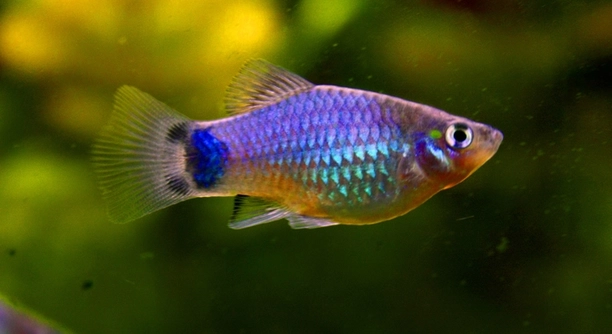
Platies are considered community fish due to their peaceful nature and compatibility with other non-aggressive species. They thrive in groups and adapt well to shared tank environments, making them a popular choice for community aquariums.
Learning about their behavior, tank needs, and suitable companions can help you build a peaceful aquarium with healthy, active platies.
What Makes Platies Good Community Fish
Platies are peaceful, colorful freshwater fish that are easy to care for. They rarely bother other species and usually spend their time swimming around calmly. Their small size and gentle behavior allow them to live well with other non-aggressive fish. As long as their tank mates share a similar temperament and environment needs, platies can thrive. They enjoy being in small groups and benefit from the social activity a community tank provides. With a good filter, clean water, and enough space, platies can show their best colors and behavior. They also get along with fish like mollies, tetras, and guppies. These species usually do not show aggression, which helps maintain a stress-free tank. Feeding is simple as platies are not picky eaters. They will do well with flakes, pellets, and small live foods. Choosing platies can make maintaining a healthy tank much easier for new and experienced aquarists.
Platies prefer tanks with steady water conditions, gentle currents, and plenty of plants or hiding spots.
Because they do not compete aggressively for food or territory, platies bring calm energy to mixed-species tanks. They usually swim in the mid to upper levels and do not bother bottom dwellers. When housed with peaceful species, their natural behaviors, like group swimming or exploring plants, become more visible. This adds movement and color to your tank without causing stress to other fish. Always monitor new tank mates closely to prevent bullying or food issues. A balanced tank setup includes space for all fish to thrive. Platies’ flexible nature means they often adjust well, as long as their tank mates are not aggressive. Choosing the right tank companions, like swordtails or peaceful barbs, helps maintain harmony. A well-managed community tank can lead to healthier fish and easier care overall. Providing high-quality food, regular water changes, and hiding spots will support platies and their tank mates for the long term.
What to Avoid When Keeping Platies in a Community Tank
Avoid keeping platies with large or aggressive fish that may chase, nip, or stress them out.
Platies should not be housed with species that show territorial or aggressive behavior. Fish like cichlids or large barbs can easily intimidate or harm them. While platies are social, they are also gentle and avoid confrontation. This makes them vulnerable in tanks with fish that compete for space or food. If they feel stressed, platies may hide constantly, lose their appetite, or become ill. Keeping their tank mates peaceful and their environment stable is key to their health. Also, avoid overcrowding. Too many fish in one tank leads to poor water quality and territorial stress. Maintain good filtration and test water often for ammonia, nitrate, and pH levels. Feed only as much as your fish can eat in two minutes to avoid waste buildup. Giving platies enough space, food, and calm company will keep them healthy and active. Watching for changes in behavior can help catch any issues early.
How to Choose the Right Tank Mates for Platies
Choose fish that are peaceful, similar in size, and prefer the same water conditions. Avoid aggressive or overly active fish that may stress platies or compete too strongly for food and space.
Good tank mates for platies include mollies, guppies, neon tetras, and corydoras. These fish share a calm nature and thrive in the same temperature and pH range. It’s also helpful to choose species that swim in different parts of the tank. For example, corydoras stay near the bottom, while platies prefer mid to upper levels. This reduces competition for space and keeps the tank balanced. Avoid fish like tiger barbs or aggressive cichlids that may nip fins or bully others. When adding new fish, quarantine them first to prevent spreading disease. Slowly introduce them to the tank and monitor behavior closely to make sure there’s no stress or fighting.
Providing enough plants, rocks, or decorations will help reduce tension and give fish places to hide if needed. This is especially helpful when introducing new tank mates or during feeding times. Platies are generally flexible and adjust to different tank setups, but they do best when the environment supports all species present. Having a mix of calm fish with similar care needs makes feeding and maintenance easier. Use a tank that’s at least 20 gallons to give everyone enough space. A larger tank also keeps water conditions more stable, which helps prevent illness. Regular water changes, a good filter, and steady temperature will help all fish stay active and healthy together.
Tips for Keeping Platies Stress-Free in a Shared Tank
Keep your tank calm by avoiding loud noises, sudden changes in lighting, or rough water flow. Stress often makes fish sick or inactive.
Use floating plants or gentle filters to keep water movement low. Platies prefer calm currents and plenty of light cover to feel safe. Feed them at regular times and offer a balanced diet of flakes, pellets, and occasional treats like bloodworms or daphnia. Stick to a routine when cleaning the tank and always treat tap water with conditioner. Watch for signs of stress, such as hiding, loss of color, or not eating. If platies look nervous, check for bullying or poor water quality. Ensure every fish in the tank has space and shelter. Use a test kit to monitor ammonia, nitrate, and pH weekly. A peaceful tank environment leads to healthier, more active platies that display brighter colors and more natural behaviors. Keeping things consistent helps reduce stress and supports long-term health.
Do Platies Need to Be in Groups?
Platies feel more secure and active when kept in small groups. A group of at least three is ideal to support their social behavior.
Keeping them in groups helps reduce stress and encourages natural swimming and feeding patterns. A single platy may become shy or less active over time.
Ideal Tank Setup for Community Platies
Platies do best in tanks with stable temperatures between 72–78°F, a pH of 7.0–8.0, and plenty of plants or hiding spots. A 20-gallon tank is a good starting size for a small group. Use a gentle filter to avoid strong water currents. Add decorations like driftwood or rocks to create different areas for exploration and privacy. Floating plants help diffuse lighting and make fish feel safer. Clean the tank weekly and test water regularly to avoid issues. Provide consistent feeding and avoid overstocking the tank. Good space, clean water, and quiet surroundings will help your platies live longer and stay healthy.
Do Platies Show Aggression?
Platies are mostly peaceful but may nip fins during mating or when overcrowded. Keeping the tank balanced usually prevents this behavior.
Are platies good for beginners?
Platies are excellent for beginners because they are hardy, easy to care for, and adapt well to a variety of water conditions. They tolerate minor water fluctuations better than many other fish, making them forgiving for new aquarists. Their peaceful nature and small size reduce the risk of aggressive behavior, which helps beginners avoid common tank conflicts. Platies also accept a wide range of foods, including flakes, pellets, and live or frozen options. Their active swimming and bright colors add life to any beginner tank without requiring complicated setups. As long as basic water quality is maintained with regular changes and a filter, platies will thrive. This makes them a popular choice for those new to freshwater aquariums.
How many platies should I keep together?
It is best to keep platies in groups of at least three to promote social interaction and reduce stress. In a small tank around 20 gallons, six platies can live comfortably without overcrowding. Larger tanks allow more fish but keep the general rule of one inch of fish per gallon in mind. Groups encourage natural behaviors like schooling and reduce shyness. Platies are peaceful and do not require strict hierarchies, so they get along well in groups. Keeping only one or two platies might cause them to become timid or stressed since they rely on company. Maintaining proper group sizes supports their health and active nature.
Can platies live with other types of fish?
Yes, platies can live with many other peaceful freshwater fish species that share similar water requirements. Common companions include mollies, guppies, swordtails, neon tetras, and corydoras catfish. These fish generally do not display aggressive behavior and tolerate similar tank conditions such as temperature and pH. When choosing tank mates, avoid aggressive or territorial species like some cichlids and large barbs. Mixing platies with fish that swim at different levels of the tank can reduce competition for space. Always quarantine new fish before adding them to the community tank to prevent disease spread. Proper care and careful selection help maintain harmony in a mixed-species aquarium.
What do platies eat?
Platies are omnivores with simple dietary needs. They thrive on a diet consisting of high-quality flake or pellet foods designed for tropical fish. Supplement their diet with occasional live or frozen foods like bloodworms, brine shrimp, or daphnia to provide protein variety. They also benefit from plant-based foods such as spirulina flakes or blanched vegetables like zucchini or spinach. Avoid overfeeding, which can lead to water quality issues and health problems. Feeding small amounts two to three times a day is ideal. Platies are not picky eaters and will readily accept different food types, making feeding easy and flexible.
Do platies breed easily in community tanks?
Platies are livebearers and breed quite easily in community tanks when conditions are right. If males and females are kept together, breeding will usually occur without much intervention. Females give birth to live fry instead of laying eggs, which can make it difficult to protect the babies from being eaten by other fish. To increase fry survival, provide plenty of plants or breeding traps where fry can hide. Regular water changes and good nutrition also encourage breeding. If you want to control or avoid breeding, separate males and females or keep only one gender in the tank. Breeding platies can be rewarding but requires extra care to ensure fry grow safely.
How can I tell if my platy is sick?
Signs of illness in platies include loss of appetite, lethargy, clamped fins, faded colors, and unusual swimming patterns like darting or floating near the surface. White spots, redness, or visible wounds on the body may indicate infections or parasites. Early detection is key to effective treatment. Poor water quality is a common cause of illness, so test water parameters regularly and maintain cleanliness. If a fish appears sick, isolate it in a quarantine tank and consult treatment guides for common diseases such as ich, fin rot, or fungal infections. Healthy platies are active, colorful, and responsive to feeding.
How often should I clean a tank with platies?
Regular maintenance helps keep platies healthy. Perform partial water changes of 20–30% every week or every two weeks depending on tank size and stocking levels. Removing uneaten food and waste prevents toxic buildup. Clean the filter monthly but avoid washing it with untreated tap water, which can kill beneficial bacteria. Clean decorations and plants as needed to reduce algae growth. Testing water parameters weekly is important to detect harmful changes. Keeping the tank clean and stable reduces stress and disease risk. Avoid overcleaning, which can disrupt the tank’s natural balance. Consistent care ensures a healthy environment for platies.
Can platies live in a planted tank?
Yes, platies thrive in planted tanks. Live plants provide hiding spots, improve water quality by absorbing nitrates, and help reduce stress by creating a more natural environment. Plants like java moss, hornwort, and anubias grow well with platies. Floating plants offer shade and diffuse lighting, which platies prefer. A planted tank also benefits the entire community by providing oxygen and reducing algae growth. Just be sure to choose hardy plants that tolerate similar water conditions. Regular trimming and care keep plants healthy and prevent overcrowding. A planted setup can enhance both the beauty and health of your aquarium.
Platies are a popular choice for community aquariums because they are peaceful, adaptable, and easy to care for. Their calm nature allows them to live well alongside many other non-aggressive fish, making them a reliable option for both beginners and experienced hobbyists. When kept in proper groups and with compatible tank mates, platies remain active and healthy, adding color and life to the tank. Their small size and flexible diet make feeding and tank maintenance straightforward. Understanding their basic needs can help ensure they thrive and avoid common problems like stress or illness.
Creating a suitable environment for platies involves providing stable water conditions, appropriate tank size, and plenty of hiding spots. A well-filtered tank with gentle water flow helps keep platies comfortable, while plants and decorations offer places to explore and feel safe. Keeping them in groups of three or more encourages natural behavior and reduces stress. It’s important to avoid mixing platies with aggressive fish or overcrowding the tank, as this can cause tension and harm. Regular water changes and careful monitoring of water quality also play a critical role in maintaining their health.
Overall, platies are a great addition to a community aquarium when their needs are met with proper care and attention. They bring a peaceful energy to mixed tanks and are generally easy to care for, which makes them popular among fishkeepers. By choosing compatible tank mates, providing a suitable environment, and maintaining good water quality, platies can live long, healthy lives while enriching your aquarium with their vibrant colors and lively behavior. Paying attention to these factors will help create a balanced and enjoyable aquatic community.

Hello,
If you enjoy the content that we create, please consider saying a "Thank You!" by leaving a tip.
Every little bit helps us continue crafting quality advice that supports the health, happiness, and well-being of pets around the world, for pets of all shapes, sizes, and species.
We really appreciate the kindness and support that you show us!