
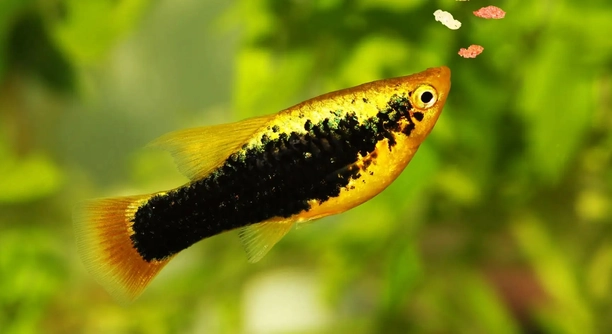
Are your platies showing signs of stress or restlessness in their tank? Lighting conditions can impact fish behavior in many ways. Many aquarium owners look for simple ways to create a calmer environment for their platies.
Platies tend to exhibit calmer behavior in dim lighting because lower light levels reduce stress and mimic their natural habitats. Dim lighting limits overstimulation and helps maintain a stable environment that supports their well-being.
Understanding how lighting affects your platies can improve their health and happiness. This article explores practical ways to adjust lighting for a more peaceful aquarium.
How Lighting Affects Platy Behavior
Lighting plays an important role in how platies behave. In brighter tanks, platies can become more active and sometimes appear stressed. This happens because strong light can be overwhelming for them, especially if there are no shaded areas in the tank. In their natural environment, platies often live in places with plenty of plants that provide shelter from bright sunlight. When they feel exposed or too visible, they may swim quickly or hide less, showing signs of discomfort. Lowering the light intensity or adding floating plants can create a more comfortable space. Dimmer lighting helps them feel safer, encouraging calmer movements and longer resting periods. It also affects their feeding patterns, as they tend to eat better in moderate light. Adjusting lighting can be a simple way to help your platies settle and reduce unnecessary activity that could lead to stress or health issues.
Platies prefer environments where light mimics their natural habitat. Soft, dim lighting supports their natural rhythms and behavior.
Tank setup matters too. Using adjustable lights and adding plants or decorations to create shaded spots can help balance brightness. Providing these options lets platies choose where they feel most comfortable. This freedom reduces stress and promotes healthier social interactions among the fish. Consistent lighting schedules also improve their overall well-being by establishing routine day and night cycles. Making these small changes creates a better environment, supporting calmer and happier platies over time.
Signs of Stress in Platies
Stress in platies often shows through changes in their behavior.
Stress can cause platies to hide frequently, swim erratically, or lose interest in food. They may also display faded colors or rapid gill movement. These signs can appear when lighting is too harsh or inconsistent. A bright, constant light without breaks can tire them out and increase their stress levels. On the other hand, too little light can disrupt their natural habits. Watching for these signs helps identify if lighting is affecting them negatively. It’s important to adjust the environment quickly to prevent long-term health issues.
Keeping an eye on your platies’ behavior allows you to respond early. Changing the lighting setup or adding more plants can reduce stress and improve their comfort. Creating a balanced lighting environment supports their natural behavior and health, making your aquarium a more peaceful space for these colorful fish. Proper lighting adjustment is an easy and effective way to care for your platies.
Ideal Lighting Conditions for Platies
Platies do best in moderate to low lighting. Bright lights can cause stress, while very dim lights may disrupt their natural activity.
Using a timer to provide 8 to 10 hours of light daily mimics natural day-night cycles. This helps platies maintain a regular routine and reduces stress. Choosing LED lights with adjustable brightness can give better control over their environment. Adding live or artificial plants also helps diffuse the light and provides hiding spots.
Positioning lights so they don’t shine directly and strongly into the tank is important. A softer, indirect glow creates a calm atmosphere. Watching how your platies react can guide adjustments. If they seem restless or hide too much, try lowering or softening the light. This simple change often results in calmer, more relaxed fish that show their best colors and natural behavior.
Adjusting Your Aquarium Setup
Changing the aquarium setup can improve platies’ comfort.
Start by adding plants or decorations that create shaded areas. This gives platies options to choose brighter or darker spots depending on their mood. Floating plants are especially useful for softening light and making the tank feel more natural. Make sure the tank isn’t overcrowded; too many fish or decorations can increase stress.
Use a light timer for consistent lighting schedules, helping platies develop healthy habits. Avoid sudden light changes or turning lights on and off abruptly, as this can startle them. A calm environment with balanced lighting and plenty of hiding places encourages peaceful behavior and supports their overall health. Regularly check the setup and adjust based on your platies’ responses to keep them comfortable.
Light Intensity and Fish Activity
Higher light intensity usually increases platy activity levels. Brighter tanks encourage more swimming and exploration but can also lead to stress if too strong.
Lower light intensity helps platies feel secure. Dimmer lighting reduces their need to hide and calms their movements, promoting a peaceful tank environment.
Natural Habitat Lighting
Platies naturally live in shaded waters with moderate light, often filtered through plants or debris. This environment keeps them calm and safe from predators.
Recreating these lighting conditions in your aquarium helps mimic their natural setting, supporting healthier and less stressed fish.
Monitoring Your Platies’ Response
Regularly observe how your platies react to changes in lighting. Their behavior is the best indicator of comfort or stress.
Adjust light levels gradually to find what suits them best.
Using Plants to Control Lighting
Plants play a key role in softening tank light and providing shelter. They improve light diffusion and reduce harsh glare for platies.
FAQ
Are platies more active in bright light?
Platies tend to be more active in brighter lighting because the light stimulates their natural curiosity and movement. However, too much brightness can stress them out, making them swim erratically or hide frequently. Finding a balance with moderate light helps keep them lively without causing discomfort.
How long should the lights be on for platies?
It’s best to keep aquarium lights on for about 8 to 10 hours a day. This mimics a natural day-night cycle, helping platies maintain their internal rhythms. Using a timer ensures consistent lighting, which reduces stress and promotes healthy behavior.
Can too little light harm platies?
Yes, very low light or complete darkness for long periods can disrupt platies’ natural activity and feeding patterns. They need some light to navigate the tank, find food, and interact with other fish. Dim lighting is ideal, but total darkness during daytime is not recommended.
What types of lights are best for platies?
LED lights with adjustable brightness are a great choice. They produce less heat and allow you to control light intensity to suit your platies’ needs. Avoid harsh fluorescent lights that are too bright and don’t offer much flexibility.
Do platies need shaded areas in the tank?
Yes, shaded or dim areas help platies feel secure. These spots mimic their natural habitat, providing shelter from strong light and potential stressors. Adding plants, rocks, or decorations creates these calm zones and encourages natural behavior.
Can changing the light schedule improve platy behavior?
Adjusting the light schedule to keep it consistent and balanced can greatly improve platy behavior. Sudden or irregular changes can stress them, so gradual changes and stable timing help them adjust and feel comfortable.
How do plants affect lighting for platies?
Plants soften and filter the light, reducing its intensity and creating a more natural environment. They also offer hiding places and improve water quality, which contributes to calmer, healthier platies.
Is it okay to keep the tank in a dim room?
Keeping the tank in a dim room can help reduce overall light intensity and stress for platies. However, the tank itself still needs a reliable light source to maintain their day-night cycle and allow for normal feeding and activity.
What are signs of light-related stress in platies?
Signs include hiding too much, erratic swimming, faded colors, and loss of appetite. Rapid gill movement and lethargy can also indicate stress. If these appear after changing lighting, adjusting brightness or adding shaded areas can help.
Should lighting be adjusted for baby platies?
Baby platies benefit from softer, dimmer lighting compared to adults. Strong light can overwhelm young fish and increase stress. Gradually increasing light as they grow helps them adapt comfortably.
Platies are peaceful fish that respond well to their environment. Lighting plays an important role in their comfort and behavior. Dim or moderate lighting tends to keep them calmer because it resembles the natural, shaded waters where they live. Bright lights can sometimes cause stress or make platies more active than usual, which might not always be good for their health. By adjusting the lighting to softer levels and creating shaded spots with plants or decorations, you can help your platies feel safer and more relaxed in the aquarium.
It is also important to maintain a consistent lighting schedule. Platies do best when their tank has a regular day and night cycle, usually about 8 to 10 hours of light per day. Using a timer helps keep the lighting steady without sudden changes that can upset the fish. Sudden bright lights or turning lights on and off quickly can startle platies and increase their stress. A steady routine not only calms your fish but also supports their natural behaviors, including feeding and resting.
In addition to lighting, the overall tank setup matters a lot. Providing plants, both live or artificial, adds to the comfort of your platies by offering places to hide and softening the light inside the tank. These hiding spots reduce stress and make the fish feel more secure. Observing your platies closely will help you understand how they respond to changes in lighting and tank conditions. Small adjustments can make a big difference in their well-being. Paying attention to these factors ensures your platies stay healthy, calm, and happy in their home.

Hello,
If you enjoy the content that we create, please consider saying a "Thank You!" by leaving a tip.
Every little bit helps us continue crafting quality advice that supports the health, happiness, and well-being of pets around the world, for pets of all shapes, sizes, and species.
We really appreciate the kindness and support that you show us!