
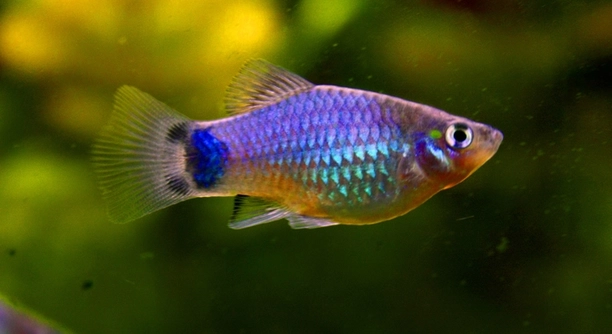
Are your platies showing signs of stress or unusual behavior at home? Many fish owners notice changes in their platies but aren’t sure if room temperature plays a role. Understanding environmental effects can help keep your fish healthy and comfortable.
Platies are indeed affected by outside room temperature, as they are tropical fish requiring stable warm water. Fluctuations in room temperature can cause water temperature changes, which stress platies and may lead to illness or reduced activity. Maintaining consistent aquarium temperature is essential for their well-being.
Knowing how room temperature influences your platies will help you provide better care and prevent potential health problems in your aquatic pets.
How Room Temperature Affects Aquarium Water
Room temperature directly influences the water temperature in your platies’ tank. Since platies are tropical fish, they thrive best between 74°F and 78°F. If the room gets too cold or too hot, the water temperature will follow, which can stress your fish. Sudden changes can weaken their immune systems, making them more vulnerable to diseases. Even small temperature shifts during the day or night can disturb their natural behavior and feeding patterns. Monitoring room temperature is important, especially in seasons with extreme heat or cold. Using a reliable aquarium heater and thermometer helps keep the environment stable. Additionally, placing the tank away from windows, vents, or direct sunlight can reduce temperature swings. Consistency in water temperature promotes healthy metabolism and better overall health in your platies.
Temperature fluctuations cause stress and can lead to illness in platies. Keeping the aquarium water steady helps maintain their health and comfort.
Paying attention to room temperature and its effects on the aquarium water creates a safer and more stable habitat for your platies. It is an easy way to avoid preventable health issues.
Maintaining Stable Temperatures for Platies
Room temperature can change based on the season or how well your home is insulated. These changes impact the aquarium water and, consequently, your platies. To maintain stable temperatures, use an adjustable aquarium heater designed for tropical fish. The heater will compensate for colder room temperatures by keeping the water warm. In warmer months, consider using a fan or cooling system to prevent the water from overheating. Regularly checking the water temperature with a thermometer is essential to catch any unexpected shifts early. Besides equipment, positioning the tank in a consistent environment away from drafts, heaters, or direct sunlight reduces the risk of fluctuations. By managing the tank’s environment carefully, you support your platies’ health and encourage active, vibrant fish.
Proper temperature control requires monitoring and adjustment throughout the year. A stable environment means healthier fish and fewer surprises.
Regular maintenance of the tank’s temperature and environment protects your platies from stress-related health problems. It also improves their lifespan and behavior.
Signs of Temperature Stress in Platies
When platies experience temperature stress, they often become less active and may hide more than usual. Their appetite might decrease, and they could display unusual swimming patterns like darting or lethargy. Changes in color or clamped fins are also common signs.
Temperature stress weakens a platy’s immune system, making it prone to infections such as ich or fin rot. You might notice white spots, torn fins, or excessive mucus. Stress can also cause irregular breathing or gasping at the water’s surface. Early detection of these symptoms is important to prevent serious health problems. Monitoring water temperature and maintaining stability help reduce these risks and keep your fish lively.
If you notice any of these signs, adjusting the aquarium temperature gradually and ensuring proper filtration can improve your platies’ condition. Regular water changes also support their recovery and overall health.
Best Practices for Temperature Regulation
Keeping the aquarium in a room with consistent temperature minimizes sudden changes. Using an aquarium heater with a built-in thermostat helps maintain the ideal water temperature without constant manual adjustments. Place the heater in an area with good water circulation to distribute heat evenly.
Regularly check the room temperature and avoid placing the tank near windows, heaters, or air conditioners. During winter, additional insulation around the tank can prevent heat loss. In summer, using a fan or chiller system may be necessary if the room temperature rises too high. Combining these measures ensures a stable environment, reducing stress and promoting healthy platy behavior.
Effects of Cold Room Temperature
Cold room temperatures cause the aquarium water to drop below the ideal range for platies. This slows down their metabolism, making them less active and more vulnerable to illness. Prolonged exposure to cold water can lead to serious health issues.
Lower water temperatures reduce oxygen levels, which can cause difficulty in breathing. Platies may show signs of stress and weakened immune response, increasing the chance of infections and slower recovery from diseases.
Effects of High Room Temperature
High room temperatures raise the aquarium water temperature, sometimes beyond what platies can tolerate. This can cause increased metabolism, leading to stress and shorter lifespans. Overheated water holds less oxygen, further stressing the fish.
Adjusting Temperature Gradually
Sudden temperature changes are more harmful than slow adjustments. When correcting water temperature, raise or lower it gradually by about 1°F per hour to avoid shocking your platies.
Monitoring Water Temperature
Using a reliable thermometer is key to tracking water temperature and ensuring it remains within the safe range for your platies’ health.
FAQ
How important is maintaining a stable temperature for platies?
Maintaining a stable temperature is crucial for platies because sudden changes can cause stress and weaken their immune systems. Stable temperatures help keep their metabolism steady, encouraging healthy growth and activity. Fluctuations often lead to illness or behavioral problems. Consistency creates a comfortable environment where platies can thrive.
Can platies survive outside their ideal temperature range?
Platies can tolerate minor temperature changes for short periods, but prolonged exposure outside their ideal range (74°F to 78°F) puts them at risk. Too cold or too warm water weakens their immune response and can lead to infections or even death. It’s best to keep their environment as consistent as possible.
What equipment do I need to control aquarium temperature effectively?
A quality aquarium heater with a built-in thermostat is essential. It keeps water warm during cold periods without overheating. A thermometer is also necessary to monitor temperature regularly. In warmer climates or seasons, a fan or aquarium chiller may help prevent overheating. These tools help maintain the right conditions for your platies.
How often should I check my tank’s temperature?
Daily monitoring is ideal, especially if your room temperature fluctuates or if you don’t have an automated system. Regular checks allow you to notice changes early and adjust as needed. This simple step can prevent stress and health problems in your platies.
What should I do if the water temperature suddenly changes?
Do not attempt to fix the temperature abruptly. Instead, adjust the heater or cooling devices gradually, by about 1°F per hour. Sudden temperature shifts shock platies and increase stress levels. Patience during adjustments helps your fish adapt smoothly.
Does room temperature affect other water parameters in the tank?
Yes, room temperature changes can affect oxygen levels, pH, and ammonia toxicity. Warmer water holds less oxygen, which can stress fish, while colder water slows biological processes. Keeping a steady temperature helps maintain balanced water chemistry, supporting overall fish health.
Are there any signs that indicate temperature problems in my platies?
Look for sluggish movement, hiding, loss of appetite, clamped fins, or abnormal swimming patterns. Color fading and rapid breathing are also warning signs. If you notice these, check the water temperature immediately and make adjustments as necessary.
Can seasonal changes affect my platies’ health?
Seasonal changes often cause room temperature fluctuations, which in turn impact aquarium water. Without proper equipment or precautions, these changes can stress your platies. Taking extra care during winter and summer months helps maintain a stable environment year-round.
Is it safe to place the aquarium near windows or heating vents?
It’s best to avoid placing the tank near windows, heaters, or air conditioners. These areas often have temperature fluctuations that can affect water temperature. Choose a stable spot away from drafts and direct sunlight to protect your platies from sudden temperature swings.
How does temperature affect platy breeding?
Stable and optimal temperature encourages breeding behavior in platies. If temperatures drop or rise too much, breeding may slow down or stop completely. Keeping the water within the recommended range supports healthy reproduction and fry development.
What temperature should I set my aquarium heater to for platies?
Set the heater to maintain the water temperature between 74°F and 78°F. This range mimics their natural tropical environment and supports their health. Regularly verify the temperature with a reliable thermometer to ensure accuracy.
Can I use a room heater to control aquarium temperature?
Using a room heater alone is not recommended, as it affects air temperature but does not guarantee stable water temperature. Aquarium heaters are designed to keep water warm consistently and are safer for your fish.
What happens if my aquarium water gets too warm?
If the water becomes too warm, oxygen levels drop, which can cause respiratory stress. High temperatures also speed up metabolism, increasing waste and the risk of disease. Overheated water can shorten your platies’ lifespan if not corrected quickly.
Are there any natural ways to help regulate tank temperature?
Keeping the tank in a room with stable temperature and away from drafts or sunlight is a natural way to help. Adding live plants can provide some shading and cooling, but equipment like heaters and chillers are necessary for precise control.
How do I prepare my tank for winter?
Make sure the aquarium heater is working well and set to the correct temperature. Insulate the tank by placing it away from cold walls or drafts. Avoid placing the tank near doors that open frequently to prevent sudden temperature drops.
Is it necessary to have a backup power source for the heater?
If possible, yes. Power outages can cause rapid temperature drops, putting your platies at risk. A battery backup or generator helps maintain temperature until power returns, especially in colder climates.
How quickly can platies recover from temperature stress?
Recovery time varies depending on how severe the stress was. Minor temperature fluctuations may cause temporary lethargy, with recovery in a few days. Severe or prolonged stress might require weeks and sometimes medication to heal infections caused by weakened immunity.
Can I mix platies with other fish species if room temperature fluctuates?
Mixing species with different temperature needs can be risky. If one species requires cooler water and platies need warmer temperatures, it’s difficult to maintain a balanced environment. Stick to fish with similar temperature requirements for the best results.
What is the best way to acclimate new platies to my tank’s temperature?
Acclimate new platies slowly by floating their sealed bag in the tank for about 20 minutes. Gradually add small amounts of tank water to the bag over the next hour. This process helps them adjust to the temperature and water conditions, reducing shock.
How can I tell if my thermometer is accurate?
Test the thermometer by comparing it with a trusted device or placing it in water with a known temperature. Digital thermometers with calibration features tend to be more reliable. Regular checks ensure you get accurate readings to protect your platies.
Maintaining the right temperature for your platies is one of the most important parts of keeping them healthy and happy. Platies are tropical fish that need warm, stable water to thrive. When room temperature causes the aquarium water to change too much, it can stress the fish and make them more likely to get sick. Simple steps like using a good heater, monitoring the water temperature daily, and keeping the tank away from windows or heating vents can make a big difference. A consistent environment helps platies stay active, eat well, and avoid common health problems.
Temperature changes can affect many parts of your aquarium, not just the fish. Warmer water holds less oxygen, which makes it harder for platies to breathe. Cold water slows their metabolism and can weaken their immune system. This means they might not fight off infections as easily. Watching for signs like slow swimming, clamped fins, or color changes can help you catch temperature problems early. If you notice any of these signs, checking the water temperature and making small, gradual adjustments is the best way to protect your fish. Avoid sudden temperature swings to keep your platies safe.
Overall, keeping your aquarium at the right temperature requires some attention but is not difficult. Using the right equipment and being aware of how room temperature affects the tank helps create a stable home for your platies. Remember, small changes in their environment can have big effects on their health. By making sure the water stays warm and steady, you support your platies’ natural behavior and longevity. Taking these simple steps means your fish can live comfortably and enjoy a better quality of life.

Hello,
If you enjoy the content that we create, please consider saying a "Thank You!" by leaving a tip.
Every little bit helps us continue crafting quality advice that supports the health, happiness, and well-being of pets around the world, for pets of all shapes, sizes, and species.
We really appreciate the kindness and support that you show us!