
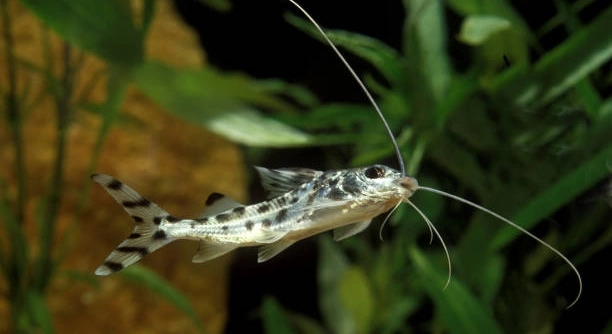
Are your Pictus catfish often hiding in your aquarium, leaving you wondering about their behavior? These lively fish are popular for home tanks but can be puzzling with their quiet nature. Many owners notice they keep to themselves more than expected.
Pictus catfish are generally shy rather than territorial. They prefer to avoid conflict and often seek shelter when feeling threatened. While they may show mild territorial behavior in cramped spaces, their natural tendency is to coexist peacefully with other fish.
Understanding these traits helps you create a better environment for your Pictus catfish. Their shy nature influences how they interact and thrive, making it important to know what they really need in your tank.
Understanding Pictus Catfish Behavior
Pictus catfish are naturally shy creatures that prefer staying near the bottom of the tank and hiding among plants or decorations. They are nocturnal, meaning they are most active at night, which explains why they often seem to disappear during the day. Their shy nature is not about being unfriendly but about feeling safe. When they sense sudden movements or loud noises, they retreat quickly to avoid stress. Unlike more aggressive fish, Pictus catfish usually avoid fights, making them peaceful tank mates. However, if the tank is too small or overcrowded, they might become more defensive to protect their space. Providing enough hiding spots and keeping a calm environment helps reduce their stress and brings out their natural, peaceful behavior. This care is important to maintain their health and to enjoy their unique swimming patterns when they do come out.
In general, these catfish do not require much social interaction but benefit from being kept in groups of three or more to feel secure.
A well-planned tank setup mimics their natural habitat. Plenty of hiding places and dim lighting encourage Pictus catfish to come out more often. They enjoy swimming in open water but will always appreciate a safe retreat nearby. Watching their nighttime activity can be rewarding, as they become lively and playful in low light. A tank with smooth substrate prevents injury since they spend much time near the bottom. Feeding them at night or in low light can also encourage natural behavior and reduce stress. Understanding these details can improve how your Pictus catfish live and interact in your aquarium.
Territorial Behavior in Pictus Catfish
Pictus catfish are not highly territorial compared to other species.
Most of their space-related behavior stems from feeling shy or threatened rather than a desire to defend territory.
When they do show mild territorial signs, it usually happens in small tanks where hiding spots are limited. In such cases, they may guard their favorite spots but rarely attack other fish. This behavior is more about self-preservation than aggression. Providing enough space and decoration reduces the chance of territorial disputes. In a well-maintained tank, they usually coexist peacefully with other bottom dwellers and mid-level swimmers. It’s important to monitor their interactions, especially when introducing new fish, to ensure no one feels stressed or crowded. Balancing tank population and environment keeps Pictus catfish calm and happy.
Creating a Comfortable Environment
Pictus catfish need a calm tank with plenty of hiding spots to feel safe. Without these, they may stay hidden and stressed.
Adding caves, driftwood, and dense plants gives them places to retreat. These spots help reduce stress and encourage natural behaviors. Low lighting also suits their nocturnal habits. A soft substrate protects their delicate barbels, so avoid sharp gravel. Maintaining good water quality and stable temperature is essential, as sudden changes make them nervous. When the environment matches their needs, they become more active and show their true colors.
Grouping Pictus catfish in small schools of three or more helps them feel secure. They rely on each other’s presence to reduce fear. Avoid mixing them with aggressive species to prevent bullying. Watching them swim freely and explore their surroundings becomes much easier when they feel comfortable. This setup creates a peaceful tank that benefits all inhabitants.
Signs of Stress and Territorial Disputes
Pictus catfish under stress may hide excessively or stop eating. They might also swim erratically or show faded colors.
Territorial disputes are rare but can happen in overcrowded tanks. Signs include chasing or nipping at other fish near preferred hiding spots. If you notice these behaviors, it’s time to check tank size and decorations. Adding more space and hiding places usually solves these problems. Keeping water conditions stable also lowers stress, reducing conflict.
Regular observation helps spot early signs of stress or territorial behavior. Reacting quickly by adjusting the environment ensures your catfish stay healthy and calm. Giving them room to retreat and swim freely helps maintain peace in a community tank. When these conditions are met, Pictus catfish thrive quietly alongside other fish.
Feeding and Interaction
Pictus catfish prefer feeding at night or in dim light. They often eat sinking pellets or live foods near the tank bottom.
They may seem shy during feeding but quickly come out once they trust their environment. Regular feeding times help build this trust.
Tank Mates for Pictus Catfish
Choosing the right tank mates is important to keep peace. Avoid aggressive or very large fish that might stress or harm Pictus catfish.
Peaceful community fish like tetras, rasboras, and other bottom dwellers usually get along well. Providing enough space and hiding spots also reduces conflicts. Mixing compatible species creates a balanced and calming environment where your catfish can thrive without feeling threatened.
Common Misconceptions
Many think Pictus catfish are territorial because they hide or chase others. In reality, their behavior is more about feeling shy or scared.
They prefer avoiding conflict and do better with gentle, calm tank mates and plenty of space.
Light Sensitivity
Bright lighting often stresses Pictus catfish. Keeping lighting dim or providing shaded areas makes them more comfortable.
FAQ
Do Pictus catfish do better alone or in groups?
Pictus catfish are social fish and do better in small groups. Keeping at least three together helps reduce stress and brings out more natural behavior. When alone, they tend to hide more and may become nervous. In a group, they feel safer and are more likely to explore their surroundings. If your tank has the space, a small school of Pictus catfish is a good way to keep them calm and active. Just make sure the tank is big enough to handle multiple bottom dwellers without crowding them.
Are Pictus catfish aggressive towards other fish?
Pictus catfish are generally peaceful and do not start fights. They are fast swimmers and may startle slower fish, but this is usually not aggressive behavior. In some cases, they may chase smaller fish, especially if they are hungry or stressed. However, they do not have a strong territorial instinct and are unlikely to attack without reason. To avoid problems, keep them with similarly sized, non-aggressive fish. Avoid putting them with long-finned or slow-moving species that may get nipped or bullied by mistake.
Can Pictus catfish live with other bottom dwellers?
Yes, they can live with other peaceful bottom dwellers as long as the tank is large enough. Corydoras, loaches, and bristlenose plecos are often good companions. The key is to make sure everyone has enough space and hiding areas to avoid competition. Overcrowding the bottom area can lead to stress and occasional chasing, even in peaceful fish. Watch for signs of stress and make adjustments if needed. A well-structured tank with plants, caves, and wood helps divide the space and reduce tension between bottom dwellers.
Why does my Pictus catfish hide all the time?
Pictus catfish are naturally shy and prefer to stay hidden during the day. They are nocturnal, so their most active time is at night. If your catfish is always hiding, check the tank lighting, noise, and activity around the aquarium. Bright lights or frequent movement outside the tank can make them feel unsafe. Adding more hiding spots like caves and plants can make them feel more secure. Once they feel comfortable, they may start exploring more, especially in the evening. Giving them time and a calm environment is key.
How big of a tank do Pictus catfish need?
A single Pictus catfish needs at least a 55-gallon tank. If you’re keeping more than one, go for 75 gallons or larger. They are fast swimmers and need open space to move around comfortably. A cramped tank will stress them and increase the chance of minor disputes with other fish. Larger tanks also allow for more hiding spots and reduce pressure on the bottom area. Remember to also consider the needs of any tank mates when planning the size. The more space you provide, the better they’ll feel.
Do Pictus catfish eat other fish?
They may eat very small fish, especially fry or those that fit in their mouths. While not aggressive, they are opportunistic feeders. If kept with tiny tank mates like neon tetras, there’s a chance those fish could become food. It’s best to house them with fish that are too large to be seen as prey. Feeding them well and on a regular schedule also helps reduce this risk. They usually eat bloodworms, sinking pellets, and other bottom-dwelling foods.
Can I keep Pictus catfish in a planted tank?
Yes, they can live in a planted tank, but you’ll need to choose your plants wisely. They may uproot soft or lightly planted greenery while swimming or searching for food. Hardy, well-anchored plants like Java fern, Anubias, or Amazon sword tend to work well. Using plant weights or pots can also help. The added plant cover makes them feel safer and reduces stress, especially in brightly lit tanks. Make sure to leave some open swimming space as well.
How can I tell if my Pictus catfish is healthy?
A healthy Pictus catfish will have clear eyes, smooth barbels, and a consistent appetite. They should be alert, active at night, and responsive to food. Dull color, frayed fins, or hiding more than usual could mean something is wrong. Keep an eye on water quality and temperature, as poor conditions are a common cause of illness. If you see sudden changes in behavior, test your water and do partial water changes as needed. Regular care and observation are key to keeping them healthy.
Final Thoughts
Pictus catfish are peaceful, active, and interesting to watch, especially when they feel safe in their environment. Many people assume they are territorial because they hide a lot or seem to chase other fish, but this behavior is often misunderstood. Most of the time, they are simply shy and need space to feel secure. They are not aggressive by nature and prefer to avoid conflict. With proper care, they can be a calm addition to a community tank. Understanding their true behavior helps prevent stress for both the fish and their tank mates.
Providing enough space, hiding spots, and soft lighting is important for their health and comfort. A tank that mimics their natural environment encourages them to come out more often and behave naturally. Keeping them in small groups also makes a difference. When they are kept alone, they tend to stay hidden more often and may not eat as well. Feeding them at night or in low light supports their natural habits and helps reduce stress. Regular tank maintenance and stable water conditions are also key to keeping them happy and active.
While Pictus catfish may not be the most outgoing fish during the day, they are still a great choice for many aquarium setups. They get along with other peaceful species and are not known to start fights. As long as you avoid overcrowding and give them enough space to explore and hide, they will do well. Understanding that their quiet nature is not about being aggressive, but about feeling safe, helps you care for them properly. With time and a calm environment, they can become more active and visible, especially in the evening hours. Overall, they are gentle, low-maintenance fish that just need a little extra patience and the right setup to thrive.

Hello,
If you enjoy the content that we create, please consider saying a "Thank You!" by leaving a tip.
Every little bit helps us continue crafting quality advice that supports the health, happiness, and well-being of pets around the world, for pets of all shapes, sizes, and species.
We really appreciate the kindness and support that you show us!