
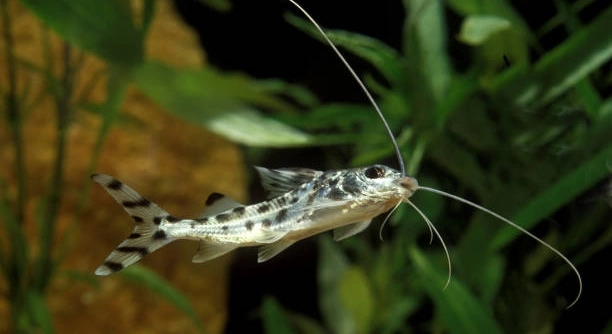
Pictus catfish are popular freshwater fish known for their active nature and unique appearance. Many aquarists appreciate their peaceful behavior and adaptability in home tanks. Understanding their sensitivity to environmental factors is important for their care.
Pictus catfish are not significantly sensitive to magnetic fields. Scientific studies indicate that their behavior is primarily influenced by water conditions, light, and tank environment rather than magnetic field changes. No conclusive evidence supports magnetic sensitivity in this species.
Exploring how environmental factors affect pictus catfish helps improve tank conditions and ensures their well-being over time.
How Magnetic Fields Affect Fish Behavior
Fish respond mainly to environmental cues such as water temperature, light, and water chemistry. Magnetic fields can influence some species, particularly migratory ones, by helping them navigate. However, most common aquarium fish, including pictus catfish, do not rely on magnetic sensitivity. Their reactions are more influenced by immediate changes in their surroundings, like water flow or sudden movements. Tank conditions like cleanliness and stable temperature play a much bigger role in their overall behavior and health.
Studies have shown that exposure to artificial magnetic fields rarely causes significant changes in activity or stress in non-migratory fish species. Pictus catfish, being a bottom-dwelling species, are less likely to detect or respond to subtle magnetic shifts.
Understanding this helps prevent unnecessary worries about magnetic field effects and encourages focusing on water quality and proper tank setup, which are far more impactful for pictus catfish well-being.
Signs of Stress in Pictus Catfish
Stress in pictus catfish can show through decreased activity, loss of appetite, and hiding more often. It’s important to observe these signs early.
Stress usually results from poor water quality, overcrowding, or sudden changes in environment. Ensuring proper filtration, maintaining stable temperature, and avoiding overstocking are key to keeping them comfortable.
Handling pictus catfish gently and providing hiding spots can reduce stress. Watching their behavior daily will help catch any early signs of discomfort. Proper tank maintenance remains the best way to ensure they stay healthy and active, minimizing stress factors.
Magnetic Fields and Aquarium Equipment
Magnetic fields in aquariums mostly come from equipment like filters and heaters. These devices generate weak fields, which typically do not affect pictus catfish.
While aquarium devices produce magnetic fields, the intensity is very low and localized. Pictus catfish live near the bottom, often away from strong electromagnetic sources. Their natural behavior and health remain unaffected by these weak fields. Research confirms that common aquarium equipment’s magnetic fields do not interfere with fish navigation or cause stress. Proper placement of equipment ensures water flow and temperature control without impacting the fish.
Focusing on water quality, oxygen levels, and tank cleanliness is more important. Maintaining a stable environment will support pictus catfish better than worrying about magnetic fields from aquarium gear.
Environmental Factors Affecting Pictus Catfish
Water quality is the most critical factor for pictus catfish health. Poor conditions can cause stress and disease. Maintaining proper pH, temperature, and clean water keeps them active and healthy. Regular water changes and monitoring help prevent buildup of harmful substances.
Pictus catfish prefer slightly acidic to neutral water with temperatures between 72°F and 79°F. Stable conditions reduce stress and encourage natural behavior. Providing plenty of hiding spots with plants or decorations helps them feel secure. Sudden changes in water parameters or overcrowding can quickly affect their well-being.
A balanced diet and clean environment promote longevity. Prioritizing these environmental factors ensures pictus catfish thrive without concern over magnetic fields.
Sensory Abilities of Pictus Catfish
Pictus catfish rely heavily on their sense of smell and lateral line system to detect changes in their environment. These senses help them find food and navigate murky waters where visibility is low.
Their lateral line senses vibrations and water movement, which are far more important than magnetic cues. This system helps them respond quickly to nearby threats or prey.
Common Misconceptions About Magnetic Sensitivity
Many believe all fish are sensitive to magnetic fields, but sensitivity varies by species. Migratory fish like salmon use Earth’s magnetic field for navigation, unlike pictus catfish.
Pictus catfish have not evolved to detect magnetic fields for survival. Their habitat and behavior rely on other sensory systems that are more suited for bottom dwelling in freshwater environments.
How to Create a Comfortable Tank Environment
Maintain clean water, stable temperature, and proper filtration. Provide hiding spots to reduce stress and encourage natural behavior in pictus catfish.
Summary of Key Points
Magnetic fields have minimal impact on pictus catfish behavior and health. Prioritize water quality and tank stability for their well-being.
FAQ
Are pictus catfish affected by magnets in the aquarium?
Pictus catfish are not noticeably affected by magnets or magnetic fields inside the aquarium. Most household magnets and magnetic decorations create very weak fields that do not influence their behavior or health. Their sensory systems focus on water movement and chemical signals rather than magnetism.
Can magnetic fields stress pictus catfish?
There is no solid evidence showing that magnetic fields cause stress in pictus catfish. Stress usually results from poor water conditions, overcrowding, or sudden changes in environment. Maintaining clean water and a stable tank setup is far more important for their well-being.
Do pictus catfish use magnetic fields for navigation?
Unlike migratory fish species, pictus catfish do not rely on magnetic fields to navigate. They use their lateral line system and sense of smell to explore their surroundings. These adaptations work better for their bottom-dwelling lifestyle in freshwater environments.
What are the main signs of stress in pictus catfish?
Signs of stress include reduced activity, loss of appetite, and excessive hiding. They may also show clamped fins or unusual swimming patterns. Observing these behaviors early helps prevent illness by allowing adjustments in tank conditions.
How can I reduce stress in pictus catfish?
Keep water quality high with regular water changes and filtration. Provide hiding places such as plants or decorations. Avoid sudden changes in temperature or tank setup. Maintaining a stable environment encourages natural behavior and comfort.
Is the magnetic field from aquarium equipment harmful?
No, the magnetic fields generated by aquarium filters, heaters, and pumps are very weak. These devices operate at low power and do not produce strong electromagnetic fields. Pictus catfish are unaffected by such small magnetic influences.
Should I worry about magnetic sensitivity when choosing tank decorations?
There is no need to worry. Magnetic decorations or small magnets used for algae cleaning do not impact pictus catfish. Their behavior depends more on water quality and tank layout than on magnetic effects.
Can magnetic fields interfere with fish breeding?
There is no research showing that magnetic fields impact pictus catfish breeding success. Breeding depends mostly on water conditions, diet, and tank environment. Focus on stable temperature and quality water to encourage breeding.
Are there fish species more sensitive to magnetic fields?
Yes, some migratory fish like salmon and eels are known to sense Earth’s magnetic field for navigation. However, this ability is not common among all aquarium species. Pictus catfish do not exhibit this sensitivity.
What should I focus on for pictus catfish health?
Prioritize stable water temperature, clean water, and a balanced diet. Provide hiding spots to reduce stress. Regular tank maintenance and monitoring water parameters are key to keeping them healthy and active.
Can sudden magnetic changes cause erratic fish behavior?
Sudden magnetic changes in a typical home aquarium are rare and usually insignificant. Erratic behavior is more often linked to water quality issues, disease, or stress from environmental changes.
Is it safe to use magnetic filters or heaters with pictus catfish?
Yes, these devices are safe and commonly used in aquariums with pictus catfish. Their magnetic components do not affect the fish but help maintain good water conditions.
Do pictus catfish react to magnetic pulses or strong magnets?
Strong magnetic pulses are not common in home aquariums. If exposed to unusually strong magnets, fish behavior might change temporarily, but this is not a typical concern for aquarium owners.
How can I tell if my pictus catfish is uncomfortable?
Look for signs like hiding more than usual, slow movement, or lack of appetite. These behaviors often point to stress or poor tank conditions rather than magnetic sensitivity.
Is there any benefit to exposing pictus catfish to magnetic fields?
There is no known benefit. Their health and behavior improve most from good water quality and a well-maintained tank rather than any magnetic influence.
What are the best practices for keeping pictus catfish happy?
Maintain clean, well-filtered water with stable temperature. Feed a balanced diet and provide plants or caves for shelter. Monitor their behavior and water parameters regularly to ensure a stress-free environment.
When considering the care of pictus catfish, it is clear that magnetic fields do not play a significant role in their health or behavior. These fish are much more affected by the quality of their environment, including water conditions, temperature, and tank setup. While some fish species use magnetic fields for navigation, pictus catfish do not appear to have this ability. Their senses are tuned to detecting changes in water movement and chemical signals, which help them navigate and find food in their natural habitat. Understanding this helps to focus attention on the factors that truly matter for their well-being.
Providing a stable and clean environment is the most important step in keeping pictus catfish healthy and stress-free. Maintaining proper water parameters such as temperature, pH, and cleanliness supports their immune system and encourages natural behavior. Overcrowding or sudden changes in the tank can cause stress, which may lead to illness. Hiding places and a calm tank environment also contribute to their comfort. Rather than worrying about the presence of magnetic fields or equipment, it is far more beneficial to prioritize water quality and stability.
In summary, magnetic fields generated by aquarium devices or decorations do not pose a risk to pictus catfish. Their health depends on factors that are easier to control, such as water quality, diet, and tank conditions. Keeping these fish happy requires attention to their environment and daily care routines. By focusing on these essentials, anyone can create a safe and comfortable home for pictus catfish, ensuring they thrive for years to come.

Hello,
If you enjoy the content that we create, please consider saying a "Thank You!" by leaving a tip.
Every little bit helps us continue crafting quality advice that supports the health, happiness, and well-being of pets around the world, for pets of all shapes, sizes, and species.
We really appreciate the kindness and support that you show us!