
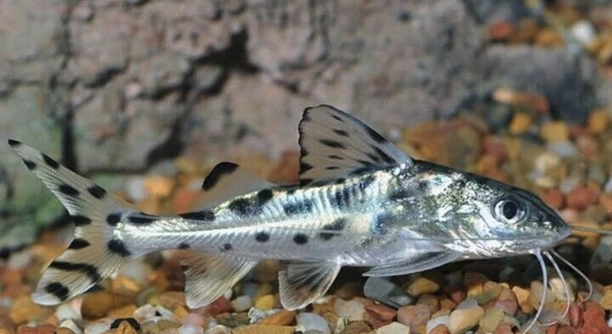
Are your Pictus catfish kept in tanks with LED lighting? Many fish owners wonder how these popular freshwater catfish respond to modern aquarium lights. Understanding their needs can help create a comfortable environment for them.
Pictus catfish generally tolerate LED lights well if the lighting is not too intense. Bright, direct lighting can stress them, so providing shaded areas or dimmer settings is important for their comfort and natural behavior.
Learning how lighting affects your Pictus catfish will help you maintain a healthy tank and support their well-being over time. This article explains what to consider when using LED lights with these lively fish.
How LED Lights Affect Pictus Catfish Behavior
Pictus catfish are naturally nocturnal, meaning they prefer dim or low light conditions. In their natural habitat, they spend much of their time hiding among plants or rocks during the day and become more active at night. When LED lights are too bright or left on for extended periods, these fish can become stressed or shy, often hiding more than usual. Stress can weaken their immune system and affect their overall health. To avoid this, it’s best to provide areas in the tank with shade, like floating plants or decorations, so the catfish can retreat when the lights are on. Using LED lights with adjustable brightness helps create a more natural environment for these fish. It is important to mimic their natural light cycle as closely as possible to keep them comfortable and active.
Bright LED lights may cause Pictus catfish to hide more frequently or display less natural behavior.
Maintaining a balanced light schedule helps Pictus catfish stay healthy and behave normally. Providing shaded spots in the tank ensures they feel safe and reduces stress caused by constant bright lighting. Selecting LED lights with a warm tone rather than harsh white can also make a difference in their comfort level. Observing how your catfish react to different light settings will guide you to the best setup.
Tips for Setting Up LED Lights for Pictus Catfish
LED lights should be set to a moderate brightness and timed to mimic a natural day and night cycle.
Avoid keeping the lights on for more than 8 to 10 hours a day to prevent stress. Many fish tanks benefit from using a timer to maintain a consistent schedule. Additionally, using dimmers or placing lights farther from the water surface can reduce intensity. Adding live or artificial plants creates natural hiding spots and diffuses light. These adjustments improve the overall tank environment and encourage natural behavior in your Pictus catfish. Remember, a well-lit tank doesn’t mean the brightest tank. The goal is to create comfort, not just visibility. Monitoring your fish for signs of stress, such as erratic swimming or constant hiding, can help you adjust the lighting to better suit their needs. Consistent care with lighting makes a big difference in keeping your catfish happy and healthy.
Lighting Intensity and Tank Setup
Too much light can make Pictus catfish uncomfortable and stressed.
LED lights vary in brightness, so choosing the right intensity is crucial. High-intensity lights can cause the catfish to hide constantly, limiting their natural activity. Positioning the lights farther from the tank surface or using a dimmer can reduce harshness. Incorporating plants or decorations offers shaded areas that break up the light, allowing the fish to find refuge. These adjustments help balance the tank’s lighting and support the catfish’s natural habits.
A proper tank setup with soft lighting and plenty of hiding spots encourages your Pictus catfish to swim freely and display their lively behavior. Avoid using bright, white LED lights that shine directly onto the tank without breaks. Instead, aim for a warm or neutral light tone that feels less harsh. Adding floating plants or driftwood can diffuse light and give the fish places to rest. This setup reduces stress and helps your catfish thrive in a comfortable environment.
Adjusting LED Lights Over Time
Pictus catfish may need lighting changes as they grow or as seasons shift.
Fish can become accustomed to a lighting level, but changes in tank plants or water conditions might require adjustments. If your catfish seem more withdrawn or less active, try lowering the brightness or shortening the light period. Gradually changing the light schedule, rather than sudden shifts, helps fish adapt without stress. Seasonal changes might also influence natural light in the room, so consider how this affects your tank lighting. Keep an eye on your catfish’s behavior and modify LED settings accordingly. Regular adjustments ensure they remain comfortable and healthy.
Signs of Stress from LED Lighting
If Pictus catfish are stressed by lighting, they may hide more or swim erratically.
Look for faded colors, rapid breathing, or loss of appetite. These signs suggest the lighting might be too strong or on for too long.
Best Light Colors for Pictus Catfish
Warm or neutral light tones are easier on Pictus catfish than bright white or blue lights. These colors mimic natural conditions better and reduce stress. Using LED bulbs with adjustable color settings helps create a comfortable environment.
Using Timers for Consistent Lighting
Timers help maintain a regular light schedule, preventing sudden changes that could stress fish. Consistency supports natural behavior and overall health in Pictus catfish.
Effects of Lighting on Aquarium Plants
FAQ
Are Pictus catfish nocturnal, and how does that affect their lighting needs?
Yes, Pictus catfish are nocturnal, meaning they are most active during low light or nighttime hours. This behavior means they prefer dim lighting or shaded areas in their tank. Bright LED lights during the day can cause them to hide or become stressed. Mimicking their natural environment with softer lighting helps them feel safe and encourages natural activity patterns.
Can LED lights harm Pictus catfish if left on too long?
Leaving LED lights on for extended periods can stress Pictus catfish. They need a regular day-night cycle to stay healthy. Too much light without breaks can disrupt their natural rhythms, leading to hiding, reduced appetite, or weakened immunity. Using a timer to limit light exposure to about 8 to 10 hours daily is best.
What is the ideal LED light brightness for a Pictus catfish tank?
The ideal brightness should be moderate, not too intense. Bright lights that shine directly into the tank can cause stress. It’s helpful to use LED lights with adjustable brightness or position them farther from the tank. Soft, warm lighting is preferable because it mimics natural sunlight better than harsh white or blue lights.
Should I use colored LED lights in a Pictus catfish tank?
Colored LED lights, such as warm white or soft amber tones, are better suited for Pictus catfish than bright blue or pure white. These tones reduce stress and create a calming environment. Some LED lights offer adjustable colors, which can be helpful for finding the right balance. Avoid overly bright or flashing lights, as these can frighten the fish.
How do LED lights affect aquarium plants with Pictus catfish?
LED lights that support plant growth usually provide moderate to high light intensity. While this benefits plants, it may be too bright for Pictus catfish. To balance both, use plants that tolerate low to medium light and position them to provide shade. This creates hiding spots for the fish and keeps the plants healthy.
Can Pictus catfish adapt to bright LED lights over time?
Pictus catfish may get used to brighter lights gradually, but their preference is always for lower light levels. Sudden changes in lighting can cause stress, so any increase in brightness should be slow and gradual. If the fish show signs of discomfort, it’s best to lower the light intensity again.
Is it necessary to provide shaded areas in the tank?
Yes, shaded areas are important. They allow Pictus catfish to retreat and feel secure when the lights are on. Using plants, rocks, or decorations creates natural hiding spots. These areas reduce stress and encourage the fish to display more natural and active behavior.
How often should I adjust the LED lighting for my tank?
Adjustments should be made only when necessary, such as if you notice signs of stress or changes in tank conditions. Seasonal light changes or new plants may require slight tweaks. Avoid frequent changes, and always make adjustments gradually to help the fish adapt smoothly.
Can LED lights cause algae problems in a Pictus catfish tank?
Excessive light, including from LEDs, can promote algae growth. This is more common if the light is on too long or too bright. Balancing light duration and intensity helps prevent algae issues. Adding live plants can also compete with algae for nutrients, helping keep the tank clean.
What is the best light cycle for Pictus catfish?
A light cycle of about 8 to 10 hours of light per day is ideal. This mimics natural daylight and allows for a proper rest period at night. Using timers ensures consistency and reduces stress caused by irregular lighting schedules. Keeping a dark period helps maintain the catfish’s natural rhythm.
Final Thoughts
LED lights are a popular choice for aquarium lighting because they are energy-efficient and long-lasting. When it comes to Pictus catfish, these lights can work well if set up carefully. The key is to avoid making the lighting too bright or constant. These catfish prefer softer light and need places to hide when the light is on. Giving them shaded spots with plants or decorations helps them feel safe. It’s important to remember that Pictus catfish are nocturnal, so they naturally avoid bright light and are more active during low-light periods.
Adjusting LED lights to fit the needs of Pictus catfish means paying attention to brightness, color, and the length of time the light is on. Bright white or blue lights can be stressful, so choosing warm or neutral tones is better. Using a timer to keep a consistent day-night cycle is also helpful. This gives the catfish enough light during the day and a proper dark period to rest. Watching your fish for signs of stress, like hiding or loss of appetite, can help you know if the lighting needs to be changed.
Creating the right lighting environment for Pictus catfish is about balance. Too much light can cause stress, but too little light may affect plants or tank visibility. Adding natural hiding spots and adjusting light intensity carefully helps keep your fish comfortable. Over time, small changes to lighting can improve your catfish’s behavior and health. Taking the time to find the right setup shows care and helps your aquarium stay a healthy, peaceful place for your Pictus catfish to live.

Hello,
If you enjoy the content that we create, please consider saying a "Thank You!" by leaving a tip.
Every little bit helps us continue crafting quality advice that supports the health, happiness, and well-being of pets around the world, for pets of all shapes, sizes, and species.
We really appreciate the kindness and support that you show us!