
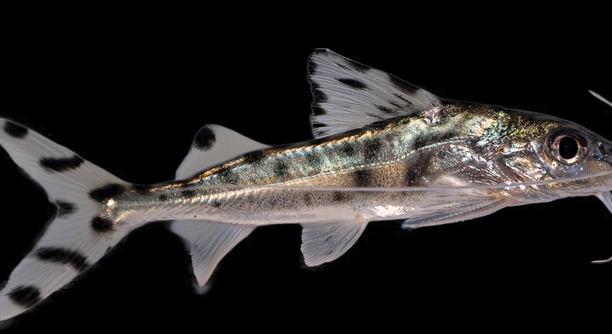
Have you ever sat by your aquarium at night, watching the water shimmer under the dim light, and noticed certain fish become more active? Pictus catfish are known for their energy, but their activity often changes with the time of day.
Pictus catfish are primarily nocturnal, meaning they are most active during the night. This behavior is linked to their natural environment, where they hunt and explore under low light. During the day, they tend to rest or stay hidden.
Understanding when these fish are most active can help you care for them better and create a more natural, stress-free tank environment.
Understanding Pictus Catfish Activity Patterns
Pictus catfish are mostly active during the night, which helps them avoid predators and hunt more effectively. During daylight hours, they usually stay hidden in caves or under plants, resting and conserving energy. This nocturnal pattern reflects their natural behavior in rivers and streams where light is limited at night. Watching their movements in an aquarium shows this well — they swim more actively after the lights go out. Pictus catfish use their whiskers to explore their surroundings in the dark, relying less on sight. This helps them find food and avoid dangers. Their tendency to be more active at night also means they can be less visible during the day, which sometimes worries owners who expect constant activity. Understanding this behavior can ease concerns and help adjust tank care routines to match their natural rhythm.
This night activity is normal and healthy for Pictus catfish. It’s important to give them places to hide during the day.
Keeping their tank environment similar to their natural habitat encourages normal behavior and reduces stress.
Feeding Habits and Nocturnal Behavior
Pictus catfish tend to feed mostly at night when they are active. Their whiskers help locate food in low light, and they prefer sinking pellets or live food near the bottom. In the wild, they hunt small insects and crustaceans during dark hours. Feeding them at night or just before turning off the tank lights matches their natural schedule. This routine helps prevent leftover food and maintains tank cleanliness.
Feeding at the right time supports their health and energy levels.
Pictus catfish may become shy or hide during the day, so feeding when they are awake encourages natural eating habits. Offering food during their active hours helps avoid overfeeding and supports good digestion. Observing their feeding times also provides clues about their comfort in the tank and overall well-being. Matching feeding times to their nocturnal behavior ensures they get proper nutrition and stay lively during their active hours.
Tank Setup for Nocturnal Behavior
Providing hiding spots is essential for Pictus catfish during the day. They feel safer with caves, driftwood, or plants to rest under.
A tank setup that mimics their natural habitat helps reduce stress. Darker areas or shaded corners encourage their natural hiding instincts during daylight. Using soft substrate protects their barbels as they explore the bottom. Gentle water flow and moderate lighting create a comfortable environment. This setup supports their nocturnal lifestyle and keeps them healthy. Regular water changes maintain clean conditions that prevent stress or illness.
Avoid overly bright lighting or open tanks with few hiding places, as this can cause Pictus catfish to stay hidden for longer or act nervously. When their tank feels safe, they become more active and display natural behaviors during the night.
Interactions with Other Fish
Pictus catfish generally get along well with peaceful, similarly sized fish. Aggressive or very territorial tank mates can stress them, especially since they are more vulnerable while resting during the day. Choosing calm companions helps maintain a balanced aquarium.
Because they are active mostly at night, their activity patterns differ from many daytime fish. This reduces competition for food and space. However, overcrowding the tank can still lead to stress and hideouts becoming scarce. Watch how your fish behave together and adjust if conflicts arise. Pictus catfish also prefer to be kept in groups of three or more, as they feel more secure and display natural schooling behavior, which reduces anxiety and encourages nighttime activity.
Signs of Nocturnal Behavior
Pictus catfish become more active when the lights go off, swimming around and exploring the tank. During the day, they often rest quietly or hide, showing little movement.
They use their barbels to feel around in the dark, searching for food or safe spots. This sensory behavior is a key sign of their night activity.
How Lighting Affects Activity
Bright lighting can stress Pictus catfish, making them hide more often. Using dim or adjustable lighting encourages their natural night activity and helps them feel secure. Simulating a day-night cycle supports their health and reduces anxiety in the tank.
Tips for Observing Pictus Catfish
Watching them after lights out reveals their true personality and behaviors. Try using a red or blue light if you want to see them without disturbing their routine. This gentle illumination won’t interrupt their natural activity patterns.
FAQ
Are Pictus catfish active during the day?
Pictus catfish are mostly inactive during the day. They tend to rest or hide in caves, under plants, or decorations. This behavior helps them avoid bright light and potential threats. If your catfish stays hidden often in daylight, it is normal and reflects their natural habits. However, some individuals may show brief daytime activity, especially if the tank environment feels safe and calm.
Can Pictus catfish adapt to daytime activity?
While primarily nocturnal, Pictus catfish can show some activity during the day if their environment is peaceful. They may become more comfortable exploring when there is less stress and when feeding occurs regularly. However, forcing them into a daytime schedule isn’t natural and could cause stress. It’s best to let their behavior follow their instincts.
Do Pictus catfish need special lighting?
They do best with dim or adjustable lighting. Bright lights can cause stress and lead to hiding. A day-night cycle that mimics their natural environment helps maintain their health. Using floating plants or shaded areas reduces light intensity, giving them safe spots to rest.
What time of day should I feed Pictus catfish?
Feeding them in the evening or just before lights go out aligns with their natural nocturnal habits. They are more likely to be active and eat at night. Feeding during the day can be less effective since they are resting and less interested in food.
Can Pictus catfish live with other fish?
Yes, but choose peaceful tank mates that are similar in size. Aggressive or very active fish can stress Pictus catfish, especially since they rest during the day. Keep enough space and hiding places to reduce competition and avoid conflict.
How many Pictus catfish should I keep together?
They prefer groups of three or more. Being in a small group helps them feel secure and encourages natural schooling behavior. A lone Pictus catfish may feel stressed or shy.
Why does my Pictus catfish hide so much?
Hiding during the day is normal. It indicates they feel safer resting in a covered or shaded area. However, if they hide all the time, including night, it might suggest stress or illness. Check water quality, tank mates, and environment if hiding becomes constant.
Are Pictus catfish good for beginner fish keepers?
They can be, but their nocturnal nature means they might not be as visible during the day. New fish keepers should be patient and understand their behavior. Proper tank setup with hiding spots and correct feeding times are important for their care.
Do Pictus catfish need a specific tank size?
A minimum of 30 gallons is recommended because they grow up to 5 inches and like to swim actively. Larger tanks provide more space for schooling and hiding spots, which supports their natural behavior.
How does tank cleanliness affect Pictus catfish behavior?
Clean water is crucial. Poor water quality stresses them and can reduce activity. Regular water changes and filtration keep the tank healthy, allowing them to display normal nocturnal behavior.
Can Pictus catfish be trained to come out during the day?
Not really. Their instincts drive their nocturnal habits. You might see some adjustment over time with gentle feeding routines, but they won’t become fully active daytime fish. Respecting their natural rhythm is best.
What signs show my Pictus catfish is healthy?
Active swimming at night, bright eyes, and regular eating are good signs. Resting calmly during the day and exploring after dark also indicate well-being. Avoid signs like faded color, lethargy during active hours, or hiding all the time.
Are Pictus catfish aggressive at night?
They are generally peaceful, but like many fish, they can show some territorial behavior during feeding or in crowded tanks. Ensuring enough space and food helps prevent aggression.
How does temperature affect their activity?
Pictus catfish prefer temperatures between 75°F and 80°F. Too cold or too hot water can lower their activity and affect health. Stable, appropriate temperature supports their natural patterns.
Do they need specific water conditions?
They thrive in slightly acidic to neutral pH (6.5–7.5) and soft to moderately hard water. Proper water parameters reduce stress and promote normal nocturnal behavior.
Can Pictus catfish see well in the dark?
Their eyesight is limited in low light, so they rely heavily on their sensitive barbels to navigate and find food at night. This adaptation helps them stay active when visibility is low.
Do Pictus catfish make noise at night?
They are mostly silent, but occasional small movements or rubbing against surfaces can make subtle sounds. These are normal and not a cause for concern.
Is it normal for Pictus catfish to dig in the substrate?
Yes, they often sift through the substrate looking for food. This behavior is part of their natural feeding habits and helps keep the tank floor clean.
What should I do if my Pictus catfish stops being active at night?
Check tank conditions first: water quality, temperature, lighting, and tank mates. Stress or illness may reduce activity. If everything seems fine, it could be natural variation, but consult a vet or experienced keeper if it continues.
Final Thoughts
Pictus catfish are interesting creatures with clear nocturnal habits. They are most active at night, using their whiskers to explore and find food in the dark. During the day, they often rest or hide in shaded areas, which can make them seem less lively to aquarium owners. Understanding this behavior helps reduce worry when they are quiet in daylight. It is normal for them to be more visible only after the lights go out. Creating a tank environment that supports their natural rhythms can improve their health and happiness. Providing places to hide and using soft lighting makes them feel safe and comfortable.
Feeding is best done in the evening or at night, matching their activity schedule. Offering sinking pellets or live food encourages natural feeding habits. Feeding at the right time also helps avoid leftover food that can pollute the tank. Overfeeding during the day when they are less active can lead to poor water quality and stress. Watching when your Pictus catfish eats can guide you in setting up a good routine. When their needs are met and their environment is suitable, they show more natural behavior and tend to be healthier overall.
Keeping Pictus catfish with peaceful tank mates and in a well-maintained aquarium supports their well-being. They prefer groups of three or more, which helps reduce stress and encourages natural schooling behavior. A minimum tank size of 30 gallons is ideal, providing space for swimming and hiding. Regular water changes, proper temperature, and balanced lighting all play roles in maintaining their natural nocturnal activity. Understanding their behavior allows you to better care for these fish and enjoy watching their nighttime energy. Accepting their quiet daytime habits and lively nights helps create a rewarding experience as a fish keeper.

Hello,
If you enjoy the content that we create, please consider saying a "Thank You!" by leaving a tip.
Every little bit helps us continue crafting quality advice that supports the health, happiness, and well-being of pets around the world, for pets of all shapes, sizes, and species.
We really appreciate the kindness and support that you show us!