
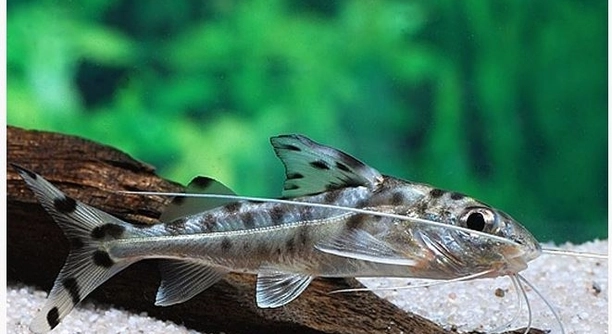
Are your aquariums home to lively Pictus catfish with their striking spots and long whiskers? These fish are popular for their active behavior and add charm to many freshwater tanks. They often catch the attention of fishkeepers everywhere.
Pictus catfish are known to dig occasionally but are not true burrowers. They use their barbels and fins to sift through substrate lightly, mainly searching for food rather than creating permanent burrows or tunnels.
Learning more about their natural habits can help you create a better environment for these interesting fish. Understanding their behavior ensures they stay happy and healthy in your aquarium.
Understanding Pictus Catfish Digging Behavior
Pictus catfish sometimes dig in the substrate, but this behavior is usually gentle and brief. They do this mostly to search for food or explore their environment. Unlike some catfish species that actively burrow, Pictus catfish don’t make permanent tunnels. Their digging is more about moving small amounts of gravel or sand to uncover hidden bits of food. Because they have sensitive barbels, they prefer soft substrates that won’t damage their whiskers. Many owners notice their Pictus nudging around plants or decorations, but it’s usually light movement rather than serious digging. It’s also common for them to stir up sediment, which can make the water cloudy for a short time. Providing hiding spots and a balanced diet can reduce excessive digging, keeping the aquarium clean and comfortable for them. Watching these behaviors can help you understand your fish’s needs better and maintain a healthy tank environment.
Digging is a natural, occasional behavior for Pictus catfish, mainly linked to feeding and exploring. It rarely causes harm or damage in a well-maintained tank.
This gentle digging means you don’t have to worry about your aquarium’s layout being ruined. With soft substrate and plenty of hiding spots, your Pictus catfish can explore safely without disturbing plants or decorations too much.
Differences Between Digging and Burrowing
Burrowing is when fish actively create and maintain tunnels or hideouts beneath the substrate. Pictus catfish don’t do this. They might move some gravel here and there but won’t build a shelter underground. True burrowers spend time digging deep to make safe spaces for resting or breeding, which Pictus catfish don’t require. Instead, these catfish use caves or hiding spots above or within decorations. Their behavior focuses more on swimming actively and scavenging food than on modifying their environment. This makes them easier to care for because their digging won’t disrupt tank plants or cause substrate displacement like burrowing fish might. Knowing this helps prevent unnecessary worry about your tank’s setup when your Pictus occasionally digs. They are peaceful fish that adapt well to typical aquarium conditions without needing to create burrows.
How Substrate Affects Digging
The type of substrate in your tank greatly influences how much Pictus catfish dig. Soft sand or fine gravel is easier for them to move and less likely to harm their barbels. Rough or sharp gravel can discourage digging because it’s uncomfortable for their sensitive whiskers.
Soft substrates allow Pictus catfish to explore naturally without risk of injury. They gently sift through the sand or fine gravel to find leftover food particles. A smoother substrate also helps reduce cloudiness when they dig. On the other hand, coarse gravel can cause damage or stress, leading to less digging but potentially affecting their health negatively.
Choosing the right substrate supports the natural behavior of Pictus catfish. It keeps them comfortable while allowing safe exploration. If you notice excessive digging in a tank with soft substrate, it might be due to hunger or lack of stimulation.
Signs of Excessive Digging and How to Manage It
Excessive digging can indicate stress, boredom, or poor water conditions. If your Pictus catfish is constantly digging or stirring up the substrate, check for tank cleanliness and water quality first. These fish also dig more when they are hungry or searching for food.
Improving water quality by regular changes helps reduce digging caused by discomfort. Adding plants or hiding spots gives them places to explore and hide, which can reduce restless behavior. Feeding your fish enough varied food is essential because hunger often drives digging.
If digging continues, consider increasing tank enrichment with decorations or rearranging the substrate to make it less easy to dig. Observing their behavior closely can help you find the right balance for a calm and happy fish.
Natural Habitat and Digging
In the wild, Pictus catfish live in rivers with sandy or muddy bottoms. They use soft substrates to search for food but rarely dig deeply. Their natural environment encourages light digging rather than burrowing.
This natural behavior carries over to home aquariums, where they gently sift through the substrate to find small food particles.
Feeding Habits and Their Impact on Digging
Pictus catfish are scavengers that feed mostly at night. They use their barbels to locate food along the bottom. If feeding isn’t enough, they may dig more to find hidden scraps.
Regular, balanced feeding helps reduce excessive digging caused by hunger or searching for food. Providing sinking pellets or frozen foods supports their natural feeding habits and keeps them content.
Aquarium Setup Tips to Minimize Digging
Providing hiding places like caves and plants can reduce digging by giving Pictus catfish safe spots to rest and explore. A well-planned tank setup can lower stress and unnecessary substrate movement.
Choosing a suitable substrate and keeping the tank clean also plays a big role in managing their digging behavior.
FAQ
Do Pictus catfish need a specific type of substrate to prevent digging?
Pictus catfish do best with soft, fine substrates like sand or smooth gravel. These materials are gentle on their sensitive barbels and encourage natural, gentle digging behavior. Rough or sharp gravel can hurt their whiskers, leading to stress or injury. Choosing the right substrate helps keep them comfortable and reduces aggressive digging.
How can I tell if my Pictus catfish is digging too much?
If you notice constant stirring of the substrate or cloudiness in the water, your catfish might be digging excessively. Excessive digging can damage plants, disrupt tank decorations, or stress the fish. Look for other signs like restlessness or unusual hiding to identify potential issues causing this behavior.
What causes Pictus catfish to dig frequently?
Several factors can lead to frequent digging, including hunger, boredom, or poor water conditions. When hungry, they sift through the substrate to find leftover food. Boredom or lack of stimulation may cause them to dig out of restlessness. Poor water quality can make them uncomfortable, leading to increased digging.
Can Pictus catfish burrow like other catfish species?
No, Pictus catfish do not burrow. They only dig lightly to search for food and rarely create tunnels or permanent hiding spots under the substrate. They prefer using caves or decorations for shelter, making them different from true burrowing catfish.
How often should I feed my Pictus catfish to reduce digging?
Feeding your Pictus catfish once or twice a day with sinking pellets or frozen foods is usually enough. A well-balanced diet reduces the need to dig for extra food. Make sure to remove any uneaten food to keep the tank clean and prevent water quality problems.
Will digging harm my aquarium plants?
Light digging by Pictus catfish typically does not harm healthy plants. However, if digging becomes excessive, it may uproot delicate or young plants. Using heavier pots or anchoring plants can protect them from damage while allowing your catfish to explore.
Is it normal for Pictus catfish to make the water cloudy when digging?
Yes, stirring up the substrate during digging can temporarily cloud the water. This is normal and should clear within a few hours with proper filtration. Excessive cloudiness might indicate overactive digging or poor substrate choice.
How can I create a comfortable environment to reduce digging?
Provide a soft substrate, plenty of hiding spots like caves or plants, and keep the tank clean. A stable environment with good water quality lowers stress and reduces digging behavior. Enriching the tank helps keep your catfish occupied and happy.
Do Pictus catfish dig more during breeding?
Pictus catfish do not typically dig more during breeding since they don’t build burrows or nests in the substrate. Breeding behavior usually involves hiding in caves or flat surfaces rather than digging tunnels.
Can other fish in the tank affect Pictus catfish digging habits?
Yes, tank mates can influence digging behavior. Aggressive or territorial fish may stress Pictus catfish, causing them to dig more out of fear or anxiety. Choosing peaceful companions helps create a calm environment and reduces stress-related digging.
Is digging behavior more common in juvenile or adult Pictus catfish?
Juvenile Pictus catfish tend to dig more as they explore and learn their environment. Adults may dig less but still sift through the substrate occasionally for food. Providing appropriate tank conditions supports both age groups’ natural behaviors.
How can I stop my Pictus catfish from digging up too much substrate?
Limit digging by using heavier substrate or adding decorations that restrict movement. Feeding properly and adding enrichment items also helps. Regular tank maintenance and monitoring water quality reduce stress that might trigger excessive digging.
Are there health risks linked to digging?
If Pictus catfish dig in sharp or rough substrates, they risk damaging their barbels, which can lead to infections. Poor water conditions caused by stirred-up debris might also affect their health. Choosing the right substrate and keeping water clean minimizes these risks.
Can changing tank layout reduce digging behavior?
Yes, rearranging the tank can provide new hiding spots and reduce boredom. Moving decorations or adding plants can distract your catfish from digging excessively. A varied environment keeps their behavior natural and less destructive.
Do Pictus catfish dig differently when kept alone versus in groups?
Pictus catfish are social fish and often feel safer in groups. When alone, they might dig more due to stress or boredom. Keeping them in small groups helps them feel secure, reducing digging caused by anxiety or loneliness.
Pictus catfish are interesting fish with natural behaviors that include some light digging. They don’t burrow like other catfish species but do use their barbels to sift through soft substrates in search of food. This digging is usually gentle and not meant to change the tank layout or harm plants. Understanding this helps fish owners provide the right environment for their Pictus catfish. Using soft sand or fine gravel as substrate makes digging comfortable and safe for them. It also helps keep their sensitive whiskers from getting damaged. With the right setup, their natural digging won’t cause problems and can even add some activity to the aquarium.
Sometimes, Pictus catfish dig more than usual, and this can be a sign of something wrong in the tank. It may mean they are hungry, bored, or stressed due to poor water quality or an uncomfortable environment. Watching their behavior closely can help you figure out the cause. Feeding them balanced meals regularly reduces the need to dig for extra food. Adding hiding spots like caves or plants provides places to explore and rest, which can lower stress and lessen digging. Keeping the tank clean and water healthy is also very important. Small changes to the tank setup and care routine often stop excessive digging without much effort.
In general, digging is a normal and natural part of Pictus catfish behavior. It is best seen as a way they interact with their environment rather than a problem to fix. By providing a suitable substrate, proper feeding, and a comfortable tank setup, you allow these fish to behave naturally and stay healthy. Keeping their needs in mind helps you enjoy watching their curious and active behavior without worrying about damage to your aquarium. Pictus catfish make great additions to many tanks because they are peaceful and interesting to observe. Their gentle digging is just one small part of what makes them unique.

Hello,
If you enjoy the content that we create, please consider saying a "Thank You!" by leaving a tip.
Every little bit helps us continue crafting quality advice that supports the health, happiness, and well-being of pets around the world, for pets of all shapes, sizes, and species.
We really appreciate the kindness and support that you show us!